Choose a Monument Import Port by the Whole Route
Choose a monument import port by the whole route, including inland connections, customs coordination and the final receiving arrangement.
By Marwaa Team · Editorial standards · Published · Updated

Illustrative stock photograph: Container Ship at the Hai Phong International Container Terminal 01.jpg by Nathan.cima · CC BY-SA 4.0. Resized and converted to WebP. The photograph does not represent Marwaa’s work or a featured service location.
Monument import port choice should compare the complete journey to the intended receiver, not ocean freight alone. Ask about the actual sailing route, inland connections, responsible customs parties and destination services. The geographically nearest port is not automatically the best option, and a cheaper ocean leg can leave a more difficult or incomplete inland plan.
What destination are you trying to serve?
Start with the final agreed receiving point and the order's practical needs. A dealer yard, a distribution facility and a professionally arranged installer receiver may lead to different routes. Keep the commercial destination distinct from a broad sales territory.
Give providers the same product and package schedule. An offer based on loose product dimensions cannot be fairly compared with one based on finished crates. If the cargo information changes, ask whether both proposals need revision.
What does the port comparison need to include?
Ask each provider to describe the full route and service boundary. Identify the ocean discharge point, any transfer or rail leg, the final road move and the receiver. Note what remains outside the quotation. This keeps port selection connected to the actual finished service.
Do not rank ports from an old table of transit days. Current services, connections and availability can change. Ask for a dated proposal and an explanation of the assumptions that affect the order.
The ocean itinerary itself may require the choice explained in Monument Ocean Service: Direct or Transshipment?.
Which comparison keeps the choices fair?
| Factor | What to ask for each route |
|---|---|
| Ocean scope | Current service, discharge point and quoted boundary |
| Inland route | Road, rail, transfer and delivery connections |
| Receiving | Confirmation for the actual final location |
| Customs coordination | Appointed parties and planned entry arrangement |
| Costs | Accepted inclusions and unresolved lines |
| Schedule | Estimated stages and confirmed commitments distinguished |
| Exception options | Who reviews a changed routing? |
Avoid treating every blank as a negative. Some questions may need a forwarder or broker response before either route is ready for a decision.
The rate basis and cargo commitments need the separate comparison in Monument Ocean Freight: Spot or Contract Rate?.
How does customs planning interact with port choice?
Ask the appointed customs professional how the proposed route affects entry and any onward movement. Do not assume that goods discharged at one place can move freely to another without the appropriate process. The physical route and the customs status need compatible arrangements.
CBP's importer guidance provides US preparation context. A Canadian destination or another entry arrangement needs its own professional review. Never apply a US routing assumption automatically to a Canadian transaction.
What does a two-route example reveal?
Suppose one proposal has a lower ocean price but ends at a distant freight station. Another has a higher ocean component and an agreed inland service to the receiver. Neither is comparable until the missing connections in the first route are identified and priced or accepted.
The example needs no invented market rate to be useful. It shows why the dealer should compare complete service boundaries. If the cheaper first leg still produces a suitable and better complete offer, the completed comparison will show it.
How should a route change be approved?
Ask which party can propose and authorize a different port or connection. Record the effect on documents, receiving plans and commercial scope before accepting the amendment. A short update saying “new port” leaves too much work undefined.
Keep the previous route marked as superseded. Confirm that the broker, transport coordinator and receiver use the same current plan. The original product order can remain unchanged while the logistics agreement requires a deliberate revision.
Which sources help distinguish the missing services?
Maersk's transloading guide explains one possible intermediate operation. AAR's intermodal overview provides rail-connection context. ICC's delivery-rule explanation helps identify the sale's named delivery boundary.
Use Marwaa's exports page to discuss the actual delivered offer. A good port choice is an accepted route that fits the goods and receiver. It is not simply the lowest number in an isolated ocean-rate column.
What makes a current offer useful?
Ask the provider to date the proposal and identify which cargo facts and receiving point it assumes. Then note which changes would require review. This does not freeze the route indefinitely, but it gives the buyer a fair basis for comparison. Without that basis, two attractive totals may describe different versions of the order or different completion points.
Key Takeaways
- Choose the port within a complete route to the agreed receiver.
- A lower ocean price can leave significant connections unresolved.
- Route changes need review by the affected transport, customs and receiving parties.
Frequently Asked Questions
Is the closest port always best for a dealer?
No. Compare the complete current service and receiving arrangement.
Should the broker review a port change?
Ask the appointed professional how the proposed change affects the actual entry and onward movement.
Can I compare old transit-time tables to select a port?
Use current dated offers and identified assumptions; old general tables do not confirm this order’s route.
For a bulk monument programme, request a trade quotation with the product requirements and the route questions raised in this guide.
Read More
- Granite Monument Shipping: FCL vs LCL Containers, Ocean Freight Costs & Port Timelines [2026]
- How to Import Granite Monuments: The Complete B2B Step-by-Step Guide for Monument Companies in USA, Canada and Europe [2026]
- Monument Freight Extras: Ask About the Service Scope
A Note on This Guide
This guide explains route comparison, not port performance rankings, customs entry advice or a transit guarantee. Current services and requirements need confirmation for the actual shipment.
Published by Marwaa Team for Marwaa Memorials (marwaamemorials.com) · Published 2026-11-23 · Updated 2026-11-23 Marwaa Memorials is a factory-direct exporter of bulk granite monuments and headstones, shipping to monument dealers, funeral homes, and importers across North America.
Related guides
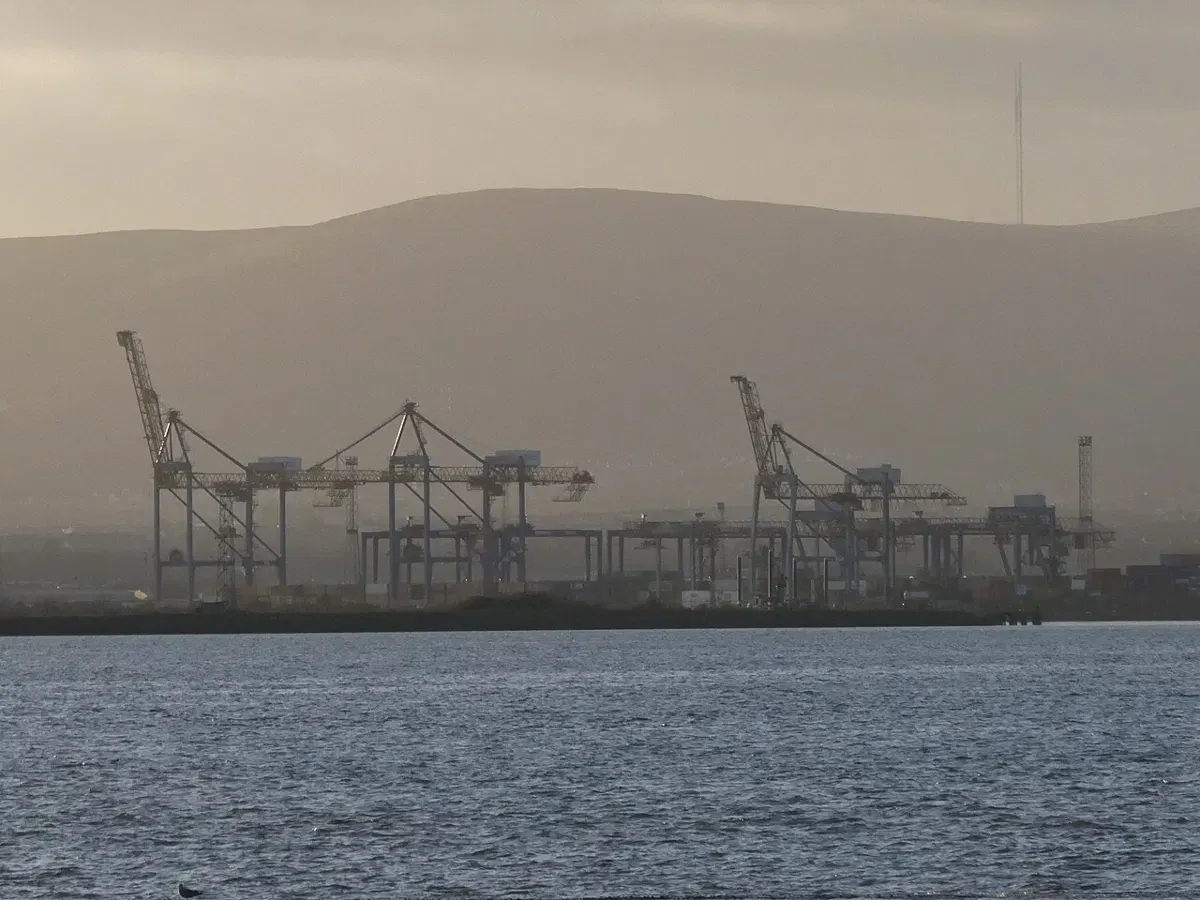
Monuments Through a US Port to Canada: Route Roles
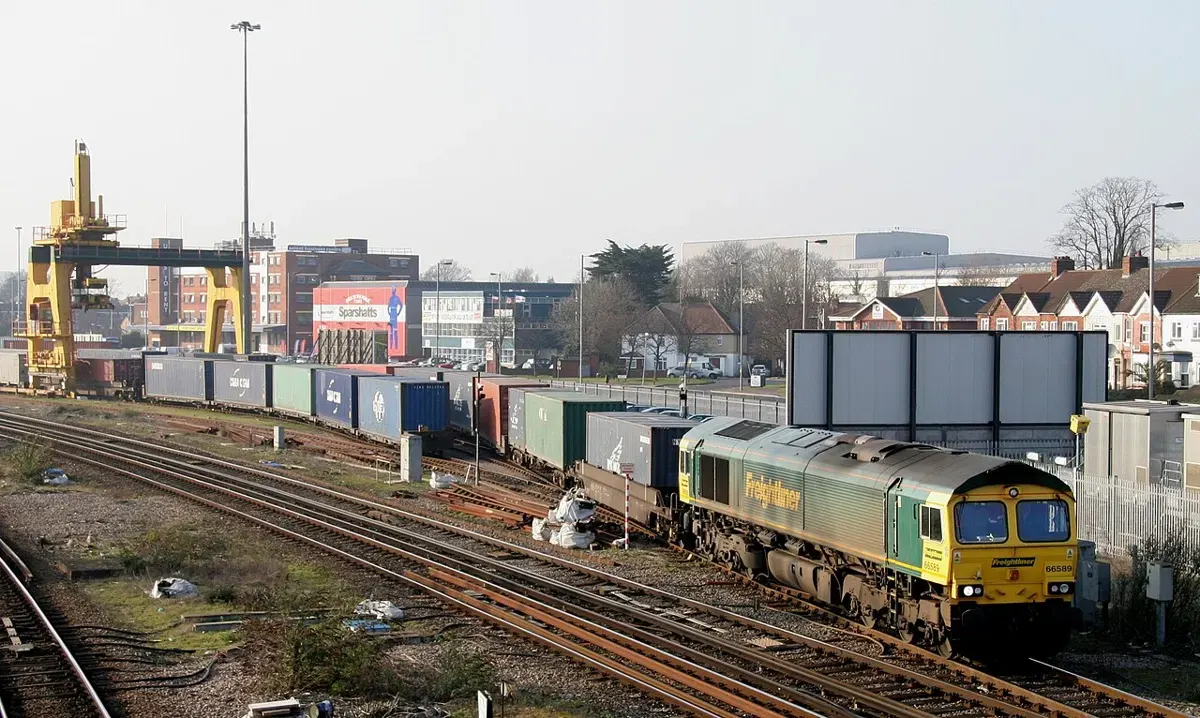
Monument Inland Freight: Rail or All-Truck Route?
Monument Imports for Several Dealer Destinations
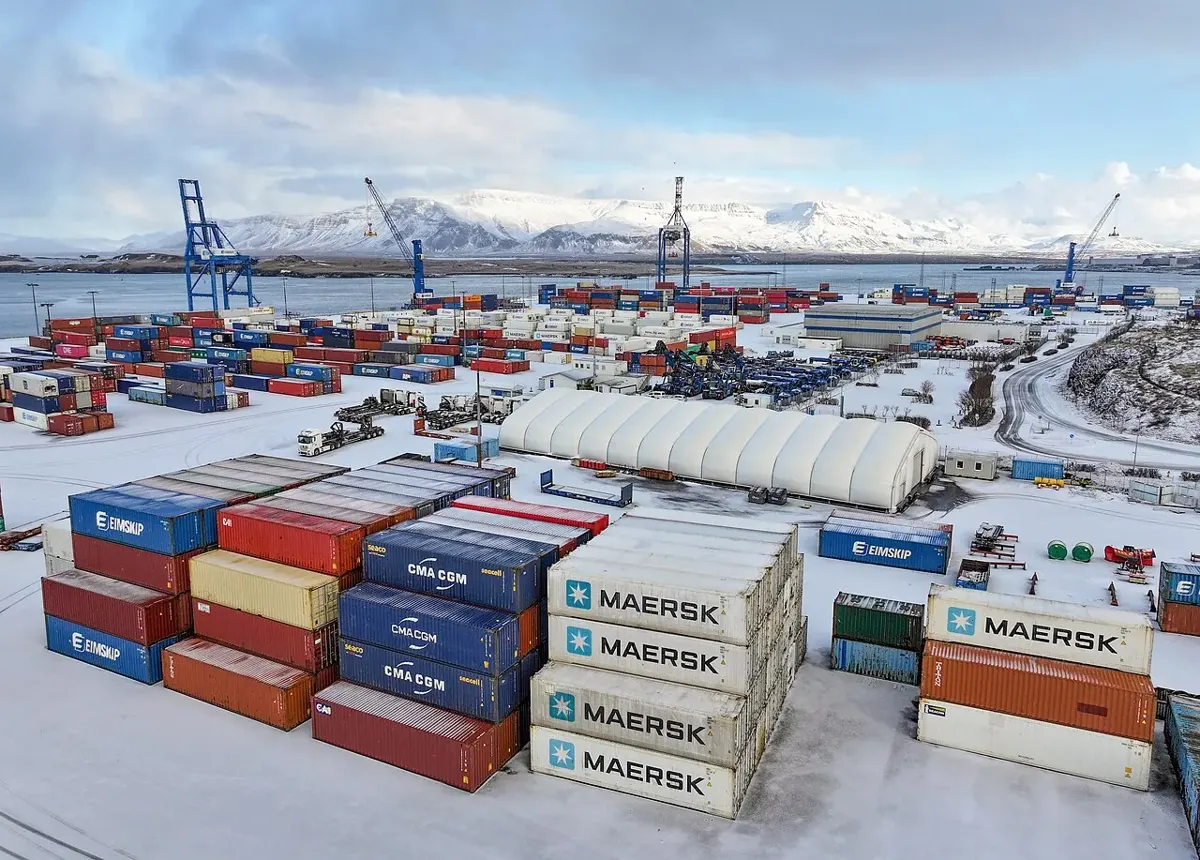
Canadian Monument Imports: Organize the Records Folder
Canada Monument Imports: CARM and Broker Access