Canadian Monument Imports: Organize the Records Folder
Organize Canadian monument import records so shipment, payment, product and customs information remain linked and retrievable.
By Marwaa Team · Editorial standards · Published · Updated
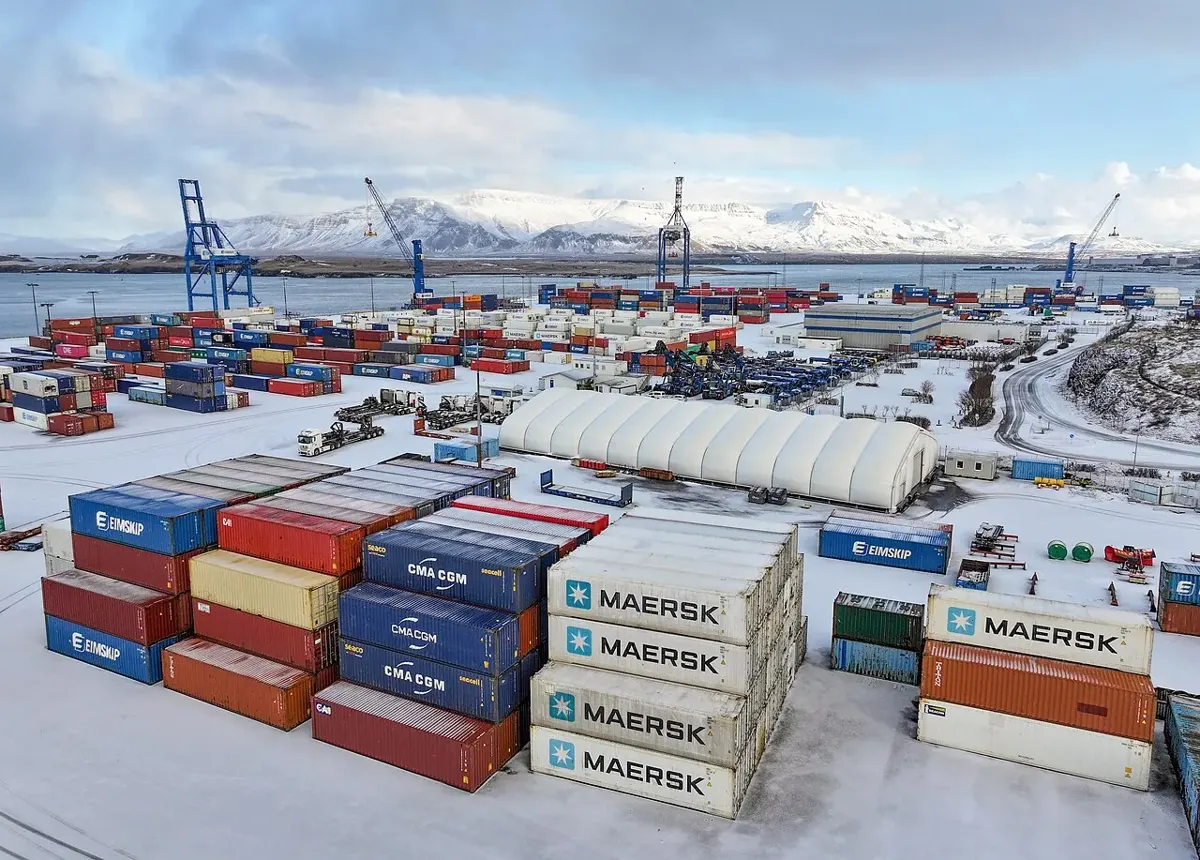
Illustrative stock photograph: Eimskip container terminal at Port of Reykjavík.jpg by Quintin Soloviev · CC BY 4.0. Resized and converted to WebP. The photograph does not represent Marwaa’s work or a featured service location.
Canadian monument import records should connect the goods, transaction, customs information and later adjustments. Identify the responsible importer and the agreed record location. CBSA states a minimum six-year period following importation for relevant commercial-goods records. Ask the appointed customs professional how the current requirements apply to the actual importer and record arrangement.
Who is responsible for the records?
Start by identifying the actual importer in the transaction. A dealer receiving the stone is not automatically the only relevant party. The supplier's service offer and the customs arrangement should name the responsible roles clearly.
CBSA Memorandum D17-1-21 addresses importer record obligations and record locations. A customs broker's involvement should not become a reason for the responsible importer to lose access to its records. Ask who holds each record and how it can be retrieved.
For the Canadian business account and broker relationship, review Canada Monument Imports: CARM and Broker Access.
For a Canadian destination through a US arrival port, read Monuments Through a US Port to Canada: Route Roles.
What belongs in the shipment folder?
Keep the purchase and accepted product schedule, commercial invoice, packing list, transport references and the customs documents relevant to the transaction. Include payment evidence and later corrections where they belong. A folder of final PDFs alone may omit the correspondence explaining an adjustment.
Use one shipment reference across the folder. If the broker or supplier uses another number, record the cross-reference. A future reviewer should be able to find the customs record from the dealer's receiving record without searching every email account.
Preserve the later decision and account result when following Canadian Monument Imports: Correction or Refund?.
How should the folder index work?
| Group | Example record | Retrieval question |
|---|---|---|
| Product | Accepted specification and item list | What goods were bought? |
| Commercial | Invoice and payment record | What transaction does it support? |
| Packing | Package and component list | What arrived in each shipment? |
| Transport | Carrier references and receipt | Which movement is involved? |
| Customs | Entry-related records and advice | Which importer and filing apply? |
| Adjustments | Corrected documents and explanation | What changed after the original record? |
The table is an editorial filing model, not a complete statutory record list. Ask the customs professional to identify any additional records required for the actual circumstances.
What does the dated retention reference say?
| Jurisdiction and source | Requirement summarized | Checked for this guide |
|---|---|---|
| Canada: CBSA D17-1-21 | At least six years following commercial importation for the records described in the memorandum | 21 November 2026 |
The date records this editorial source check. It does not reset an importer's retention period. Ask about any longer period arising from another obligation or the transaction's circumstances. Do not apply this Canadian rule to a US entry.
How do you preserve useful electronic records?
Keep files readable and organized, with a method to retrieve related documents together. Avoid storing the only copy in a former employee's mailbox. Ask the responsible person how records will remain accessible if the dealer changes its accounting or order-management system.
Separate restricted information from ordinary project records. Limit access according to the business's needs and applicable requirements. A customer-facing memorial handover folder should not automatically contain the dealer's full customs and payment file.
What if records sit with a third party?
Ask the broker, accountant or service provider which records it holds and how the importer can obtain them. Confirm the applicable record-location arrangements with the customs professional. A convenient cloud folder is not, by itself, proof that every current requirement has been met.
If the provider changes, plan the transfer before the previous account closes. Request an index and check that transferred files open. Keep the relationship between old and new references visible rather than renaming every document without a mapping record.
How do you connect this with supplier coordination?
The International Trade Administration's packing-list and commercial invoice pages explain those general document roles; they are US trade resources, not Canadian compliance instructions. Use CBSA and the appointed Canadian customs professional for the actual record obligations.
Marwaa's delivery page describes the service arrangement to confirm in the order. The import overview gives broader background. A well-indexed folder helps preserve the evidence of the actual transaction, even when a supplier coordinates much of the logistics.
How can you test that the folder is retrievable?
Ask a backup staff member to locate the accepted product schedule, final invoice, relevant customs record and any later adjustment using the shipment reference. Record which links or permissions fail. Resolve those gaps while the original coordinator can explain them. The test should use authorized access, not a shared password or unnecessary copying of restricted files. Repeat the check when a system or service provider changes. A folder that exists but cannot be searched or opened by the responsible business is not a dependable operational archive. Keep a short index explaining where the controlled originals live.
Key Takeaways
- Identify the actual importer and record responsibilities for the Canadian transaction.
- CBSA D17-1-21 describes a minimum six-year commercial-import record period.
- Keep adjustment explanations and reference mappings with the original documents.
Frequently Asked Questions
Can the broker hold every record instead of the importer?
Ask the customs professional about the current obligations and approved arrangements; do not assume using a broker removes them.
Does the six-year Canadian period apply to US imports?
No. Check the separate US requirements for a US entry.
Should the family’s handover folder contain customs paperwork?
Keep business compliance records in the appropriate controlled file and share only the family-facing records needed.
For a bulk memorial order, request a trade quotation with the product schedule and the delivery questions relevant to this guide.
Read More
- How to Import Granite Monuments: The Complete B2B Step-by-Step Guide
- Granite Monument Shipping: FCL vs LCL Containers
- DAP Granite Monument Delivery Explained
A Note on This Guide
This Canadian filing guide summarizes one source reference and offers a practical index. It does not replace CBSA requirements or advice on the actual importer, retention period and record location.
Published by Marwaa Team for Marwaa Memorials (marwaamemorials.com) · Published 2026-11-21 · Updated 2026-11-21 Marwaa Memorials is a factory-direct exporter of bulk granite monuments and headstones, shipping to monument dealers, funeral homes, and importers across North America.
Related guides

The Headstone Handover Folder: Records Your Family Will Need Later

Canadian Monument Imports: Correction or Refund?
US Monument Imports: Prepare the Customs Broker Handoff

How to Import Granite Monuments: The Complete B2B Step-by-Step Guide for Monument Companies in USA, Canada and Europe [2026]

Choose a Monument Import Port by the Whole Route