
Monument Freight Extras: Ask About the Service Scope
Ask which monument freight services are included, conditional or extra, and confirm approval before accepting an unexpected charge.
By Marwaa Team · Editorial standards · Published · Updated
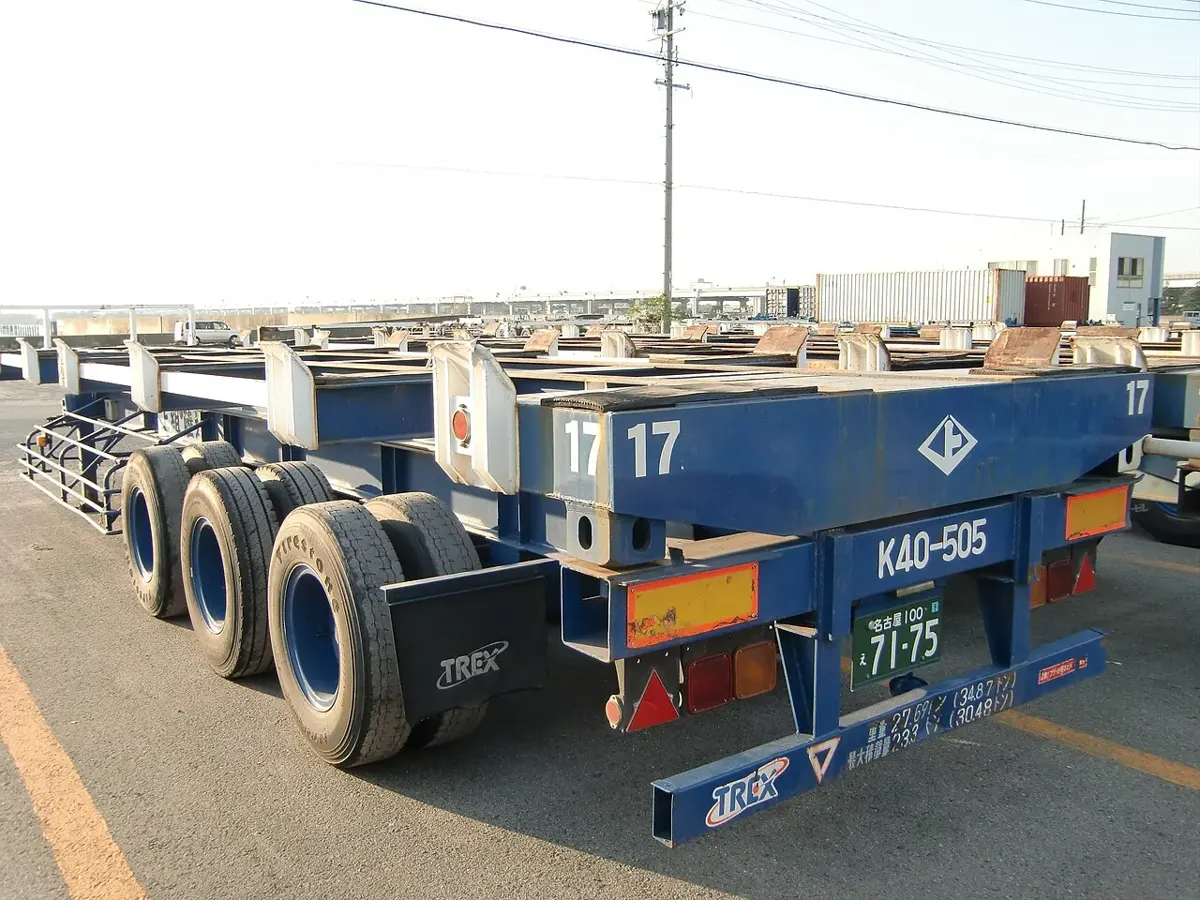
Illustrative stock photograph: Container terminal = 愛知/飛島埠頭【 Pictures taken in Japan 】--④.jpg by Gazouya-japan · CC BY-SA 4.0. Resized and converted to WebP. The photograph does not represent Marwaa’s work or a featured service location.
Monument freight extras should be reviewed as service-scope questions, not treated as an automatic fixed allowance. Ask what the quotation includes, which conditions can create a separate charge and who may approve changes. Compare the written basis with the actual event before accepting an invoice. There is no universal fee schedule for every route and receiver.
Why can similar freight quotes cover different work?
One quotation may cover an agreed commercial receiving point, while another includes a different delivery service. The same total distance does not make them equivalent. Address type, appointment needs, vehicle arrangement and waiting conditions can change the scope under a carrier's actual terms.
Start with a list of services, not a guessed extra-cost budget. Ask the party quoting transport to identify inclusions and exclusions in plain language. If a phrase such as “delivery included” appears, ask where the service ends and what receiving conditions it assumes.
For a route using shared ocean and road services, read Ocean LCL and Domestic LTL: Different Monument Moves.
When a quote uses a pricing weight, distinguish Monument Freight: Chargeable vs Actual Weight.
The identity of the service counterparty is another comparison addressed in Monument Freight: Forwarder, NVOCC or Ocean Carrier?.
Market headlines need the scope check explained in Why a Freight Index Is Not Your Monument Quote before they are compared with a quotation.
How should you distinguish included, conditional and extra?
“Included” means the accepted price covers the described service. “Conditional” means an event may change the charge under the actual terms. “Extra” means the service is outside the current quotation. “Unknown” means you still need clarification. Do not treat an unknown entry as zero.
Keep the supplier's answer tied to the particular quote reference. A general website statement can introduce the service, but the accepted written order should settle its scope. Marwaa's delivery page describes the offer that buyers should confirm for their shipment.
Which questions belong in the comparison?
| Potential issue | Question before dispatch |
|---|---|
| Appointment | Is booking included and who changes it? |
| Waiting | What triggers a charge and what evidence supports it? |
| Address change | Who must approve the revised destination? |
| Re-delivery | What happens if the receiver cannot accept the load? |
| Storage | Where, for how long and on what basis? |
| Unloading | Which party supplies the agreed service? |
| Documentation amendment | Who requests and authorizes the change? |
The table identifies topics to clarify. It does not claim every carrier charges for each item or that any quoted amount is reasonable.
For repeated ocean movements, compare the purchasing structures in Monument Ocean Freight: Spot or Contract Rate?.
What does a useful exception approval say?
An exception approval identifies the requested service, cause, quotation or tariff basis and approving person. Record whether the amount is fixed or still estimated. Ask what evidence will support the final invoice if the charge depends on time or another variable.
For example, a change from an accepted warehouse to a different site should produce a scope review before the vehicle is redirected. Do not assume that “same city” means the original quote remains valid. Ask for the options while the transport coordinator can still assess them.
How do you review an unexpected invoice?
Find the accepted quotation and relevant carriage terms. Identify the actual event and the party that requested or caused the service. Ask for the supporting records, such as the booking history or timing record. Keep a disputed charge marked as under review rather than changing the original shipment paperwork.
Do not make a blanket legal claim that an unsigned extra is never payable. The actual contract, tariff and circumstances matter. Ask an appropriate adviser if the question becomes a dispute rather than a simple commercial clarification.
How does the Incoterm fit?
ICC's DAP and DDP explanation helps identify the general delivery allocation. It does not replace every service detail in the sale and carriage agreements. A supplier can describe additional included services, but those should be confirmed expressly.
Keep product cost, transport scope and customs questions distinct. The International Trade Administration's invoice guidance concerns the commercial document. Its packing-list guidance helps identify the actual packages affected by an exception.
How can the dealer reduce repeated surprises?
Keep a short exception log with the trigger, missing information and future check. If a receiver repeatedly changes appointments, address that booking process. If a load description was incomplete, fix the package-information handoff. The useful lesson is the specific coordination gap, not an invented universal freight rule.
Compare the next offer using the same scope questions. The shipping overview provides the wider route context, while this record explains what the agreed service actually includes.
What does a scope-only comparison look like?
Imagine two offers with the same product schedule and destination town. One expressly names the accepted warehouse receiving point; the other only says local delivery. Before comparing totals, ask the second provider to describe its boundary and assumptions. The answer may show an equivalent service, a different service or an unresolved item. None of those outcomes requires guessing a market-rate surcharge. Mark the difference and request a like-for-like revision. A useful comparison can remain incomplete while still showing exactly which question prevents a fair price decision.
Key Takeaways
- Unknown freight services should not be counted as free.
- An extra-charge review needs the actual agreement and evidence of the event.
- Incoterms do not replace a detailed service-scope agreement.
Frequently Asked Questions
Are appointment charges always extra?
No. Ask what the accepted quotation and carrier terms include for the actual shipment.
Does DAP settle every possible freight charge?
No. Confirm the named point and the actual sale and carriage service details.
What should I ask for when a charge is disputed?
Request the contractual basis and the event records, then seek appropriate advice if the issue remains unresolved.
For a bulk memorial order, request a trade quotation with the product schedule and the delivery questions relevant to this guide.
Read More
- Granite Monument Shipping: FCL vs LCL Containers
- DAP Granite Monument Delivery Explained
- Headstone Arrived Before Installation: Plan Storage
A Note on This Guide
This is a commercial comparison method, not a fee tariff or a determination of liability. Charges and approval rights depend on the actual agreements and applicable requirements.
Published by Marwaa Team for Marwaa Memorials (marwaamemorials.com) · Published 2026-11-21 · Updated 2026-11-21 Marwaa Memorials is a factory-direct exporter of bulk granite monuments and headstones, shipping to monument dealers, funeral homes, and importers across North America.
Related guides

Name the Delivery Point in a Monument Freight Quote

Headstone Cleaning Service: Agree a Written Scope

Concealed Monument Freight Damage: Build the Evidence File

Why a Freight Index Is Not Your Monument Quote

Monument Freight: Chargeable vs Actual Weight
