Request a Grave Photo That Answers Your Question
Write a focused grave photo request with a verified location, useful views and clear privacy preferences for a volunteer or cemetery contact.
By Marwaa Team · Editorial standards · Published · Updated

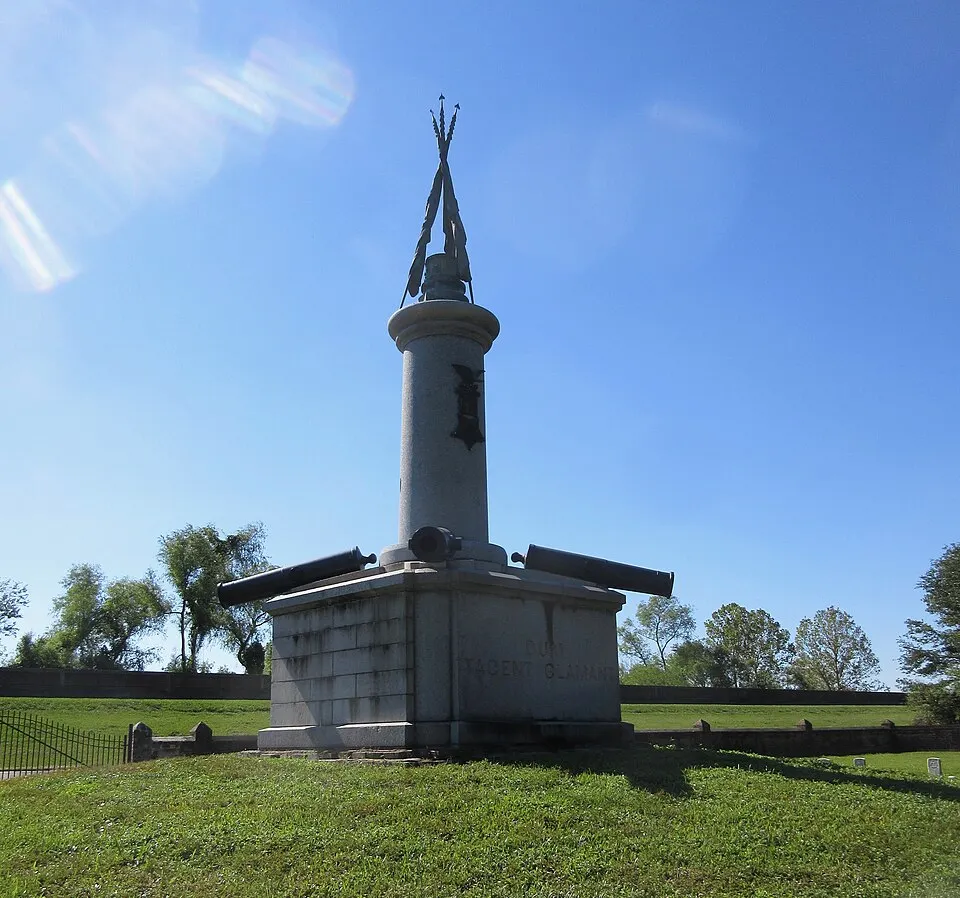
Illustrative stock photograph: Gruar Memorial Bench, Brookside Cemetery (52126222557).jpg by Lallint · CC0. Hosted by Wikimedia Commons. The photograph does not represent Marwaa’s work or a featured service location.
A grave photo request works best when it identifies the location and the question the photographs should answer. Give the complete cemetery reference, explain which views matter and respect the photographer’s access limits. Ask for observation, not cleaning, testing, moving or searching beneath the ground to produce a better image.
What do you need the photograph to show?
State the purpose before listing the images. A family may need to read a date, confirm whether a name appears or keep a current view for a relative who cannot visit. Those requests need different photographs. “Please photograph everything” leaves the volunteer to guess and may collect more personal information than necessary.
A request for a condition record also has limits. An image can show a visible area, but it cannot establish the hidden cause of a crack or confirm structural safety. If the purpose concerns a possible hazard, contact the cemetery rather than asking a volunteer to investigate.
Verify the location before sending someone
Supply the official cemetery name, address and complete section, lot and grave reference if available. Explain where that reference came from. A family recollection or an online map pin may be useful background, but label it as such rather than presenting it as office confirmation.
If references conflict, resolve them first using the grave reference comparison workflow. A person making a voluntary trip should not have to choose between two possible graves or infer identity from similar surnames.
Build a small photo brief
| Requested view | Question it answers | Limit to state |
|---|---|---|
| Whole memorial | Is this the intended marker? | Photograph from a safe position |
| Inscription detail | What characters are visible? | Do not clean or wet the surface |
| Reverse or side | Is there other visible text? | Only if access permits |
| Context view | Where is it relative to permitted paths? | Avoid unrelated visitors |
| Obscured area note | Why could a view not be supplied? | A written observation is acceptable |
Give the photographer permission to return an incomplete set. “Unable to approach safely” is useful information. It is better than a request that pressures someone to step behind barriers or move heavy objects for a particular angle.
Use the platform’s actual process
If requesting through a volunteer service, follow its current instructions rather than sending personal messages to unrelated users. Find a Grave’s photo-request guidance explains its own location-based request process. It does not guarantee a volunteer response or a completion date.
If asking the cemetery office directly, check whether it offers photographs and whether a charge or appointment applies. Do not assume staff can provide a full survey. Describe the limited request and accept a different arrangement if the office cannot help.
Agree how the images may be used
Explain whether the images are for a private family folder or a public record. Ask who should be credited and whether the photographer places any limits on the intended use. Keep permission with the original image files.
Avoid sending certificates, invoices or private contact lists unless the recipient genuinely needs them. The public request may need a grave name and location; it does not necessarily need living relatives’ addresses or the purchaser’s signature.
If the proposed view is aerial, first read the cemetery drone permission guide.
Example: a missing final line
Suppose a relative wants to know whether a final inscription line is already present. Request a full-face image and a clear view of the lower inscription area. Explain that a written note about visibility is welcome if vegetation or a restricted approach blocks the view.
Do not ask the photographer to trim plants or rub the stone. If the image still leaves the line uncertain, record the uncertainty and ask the cemetery or an appropriate provider about the next step. A photograph request should not turn into an unofficial work order.
Keep the response useful for future readers
Save the original files, date, photographer and any limits reported. Connect each image with the request it answers. If the photographer sends an interpretation of difficult text, keep that note separate from the visible source image.
The headstone photography guide covers general capture considerations. Cemetery photo-sharing guidance helps decide what belongs in a public record. A good brief values the volunteer’s time and preserves a clear account of what was and was not observed.
Key Takeaways
- A grave photo request should identify both the correct site and the question being asked.
- An incomplete photo set with an honest access explanation is useful evidence.
- A volunteer photography request does not authorize maintenance, testing or movement of a memorial.
Frequently Asked Questions
Can I ask a volunteer to clean the inscription first?
Do not make cleaning part of a photo request. Permission, material condition and appropriate care need separate consideration.
What if the grave cannot be found?
Ask for the search limits and resolve location evidence with the cemetery; do not treat a failed search as proof of no burial.
May I publish the received photographs?
Explain the intended audience and confirm the photographer’s permission and applicable cemetery policy.
Next Step
Prepare a focused image list using the headstone photography guide, then send it through the chosen service’s permitted process.
Read More
- How to Photograph a Headstone for Records and Genealogy
- How to Find Where Someone Is Buried: Locating a Grave
- Cemetery Etiquette: How to Visit a Grave Respectfully
A Note on This Guide
This is a suggested photo brief, not a professional survey specification. Volunteer services and cemetery policies differ. Safety, access restrictions and visitor privacy take priority over completing an image list.
Published by Marwaa Team for Marwaa Memorials (marwaamemorials.com) · Published 2026-11-21 · Updated 2026-11-21 Marwaa Memorials is a factory-direct exporter of bulk granite monuments and headstones, shipping to monument dealers, funeral homes, and importers across North America.
Related guides
How to Request a Headstone Quote
Headstone Project Brief: A Worksheet Before You Request Quotes

Sharing Cemetery Photos: Permission and Context
Can You Add a Photo to an Existing Headstone?
How to Write Your Own Epitaph