Headstone Project Brief: A Worksheet Before You Request Quotes
Prepare a headstone project brief with cemetery details, dimensions, wording, delivery scope and open questions before requesting comparable quotes.
By Marwaa Memorials · Published
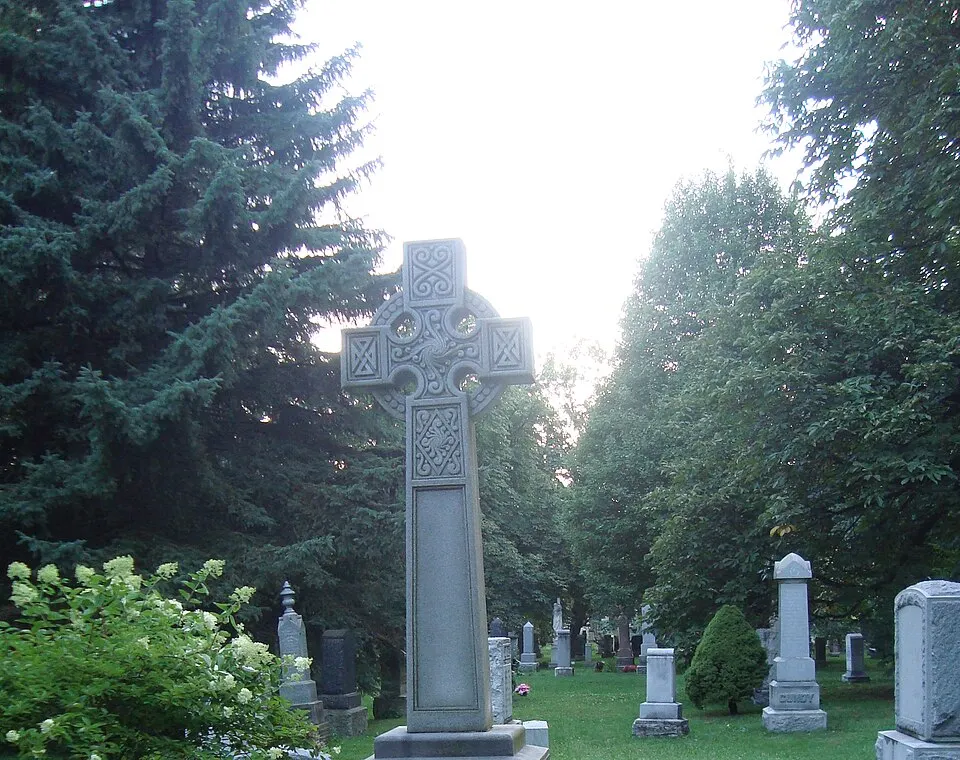
Illustrative stock photograph: Mount Pleasant Cemetery 07 by Saharalipour · CC BY-SA 3.0. Resized and converted to WebP. The photograph does not represent Marwaa’s work or a featured service location.
A project brief helps a family explain the same requirement to the cemetery, monument supplier and installer. Its purpose is consistency: one recipient should not receive a different spelling, base size or delivery address from another. Use this worksheet before requesting a price; it does not replace cemetery permission or a signed order.
Start with three different kinds of information
Label each item confirmed, preferred or to be checked. A confirmed dimension has a source, such as the cemetery's written reply. A preferred colour is a family choice. A measurement estimated from a photograph remains an open question. Keeping these categories separate helps a supplier price a provisional design without treating an assumption as permission to carve.
Record the date and person who supplied a requirement. A forwarded screenshot without a cemetery name or section reference is difficult to check later. Save the original reply with the brief, and ask whether the requirement applies to this exact grave and memorial type.
Copy this project brief worksheet
| Field | What to write | Evidence or owner |
|---|---|---|
| Project reference | A short family reference and issue date | Family coordinator |
| Cemetery | Official name, location and office contact | Cemetery office |
| Grave identification | Section, lot and grave number | Cemetery record |
| Applicant | Person the cemetery says may authorize the work | Cemetery confirmation |
| Memorial type | Upright, flat, slant or other proposed form | Family preference until approved |
| Dimensions | Separate die, base and overall sizes, with units | Cemetery requirement and supplier drawing |
| Material and finish | Proposed granite colour and polished or textured faces | Supplier specification |
| Inscription | Exact wording, punctuation and any reserved area | Separate wording sheet |
| Logistics | Delivery destination, installer and unloading responsibility | Written scope |
| Open questions | Unknowns, person checking each and next review date | Shared action list |
Do not leave a blank that another person might interpret as “not required.” Write “awaiting cemetery reply” or “not included in this quote” where appropriate. Attach the cemetery's rules separately rather than paraphrasing a long document into one uncertain sentence.
Worked example: a base size is still unknown
In this fictional example, a family wants a companion upright. The cemetery has confirmed that an upright is permitted but has not confirmed the base width. The brief should say: “Companion upright preferred; base dimensions subject to cemetery approval.” It should not copy the width of a neighbouring monument and label it approved.
A supplier can then identify which parts of a quote are provisional. If the approved base later changes, compare the revised dimensions, price and inscription space before signing. This is a clearer conversation than arguing about which photograph was supposed to define the order.
Separate delivery from installation
Write down where the shipment stops and who takes responsibility next. Delivery to a warehouse, delivery to a cemetery receiving area and final installation on the grave are different tasks. Ask the supplier to state the included scope and exclusions in writing, including any foundation work, cemetery fees or unloading arrangements.
The headstone quote comparison guide covers price comparisons. This brief supplies the common specification those comparisons need. For measurements, use the foundation requirements guide as a question list, then obtain the cemetery and installer's actual requirements.
Issue the brief without accidentally approving production
Name the first file “project-brief-v01-for-quotation.” Include a line stating that it is a request for information and pricing, not a production authorization. When a supplier returns a drawing, compare it with the current brief and route outstanding cemetery questions back to the office.
Keep one coordinator responsible for circulating revisions. A coordinator organizes information; that role does not establish legal authority to approve a memorial. Confirm the required signatory with the cemetery. Move to the proof revision workflow only when the proposed specification is understood.
Source and scope
The Bereavement Authority of Ontario's consumer checklist advises reviewing cemetery by-laws and keeping a signed contract. Those are Ontario consumer pointers. The worksheet above is an original suggested planning tool, not a universal cemetery form.
Frequently Asked Questions
Is a project brief a purchase order?
No. Label a quotation brief clearly and use the supplier’s separate order and approval process before authorizing production.
Can I estimate dimensions from another headstone?
Use a photograph to explain a preference, but ask the cemetery and supplier to verify the dimensions allowed for your grave.
Who should maintain the brief?
Choose one coordinator to circulate the current version, while the cemetery confirms who must sign the actual application.
Ready to get pricing for your granite monument?
Request pricing, factory specifications, and DAP delivery timelines from our team.
Related guides

How to Request a Headstone Quote
A Family Headstone Decision Record
Headstone Proof Approval Checklist
Selling a Cemetery Plot
How to Cover a Headstone for an Unveiling
