Sharing Cemetery Photos: Permission and Context
Separate permission to photograph a cemetery from permission to publish images, and keep visitor privacy and image context clear.
By Marwaa Team · Published

Illustrative stock photograph: Acacia Mausoleum at Acacia Park Cemetery, Norwood Park Township.jpg by Nick Number · CC BY 4.0. Hosted by Wikimedia Commons. The photograph does not represent Marwaa’s work or a featured service location.
Before sharing cemetery photos, check the site’s photography policy and the intended audience. Permission to visit, take a photograph and publish it can involve different questions. Avoid including other visitors or services, explain the image’s context and keep private family records out of public posts unless you have a sound reason and the appropriate agreement.
What are you asking permission to do?
Describe the activity precisely: a personal record of one memorial, a volunteer survey, a public history article or a commercial portfolio. A cemetery may treat these differently. Ask the office about the actual proposed use rather than assuming that a quiet visit settles every permission question.
The VA national-cemetery photography guidance is one operator’s policy context. It is not a rule for every cemetery. A local example, the Cemeteries of Western New York photo policy, also distinguishes uses and visitor privacy. Read the policy applying to your actual visit.
Decide the audience before taking extra images
A private family folder needs different material from a public web page. A close photograph of an inscription may answer a family question without showing adjacent graves. A wide image may help a cemetery volunteer understand location, but publishing the same image may expose unrelated visitors or recent funeral activity.
Take only what serves the purpose. Do not record people you do not need to include, and pause if a service begins nearby. If a useful image contains someone outside your group, choose a different frame or ask how to handle the situation respectfully.
Use a permission-and-context record
| Question | Private family record | Public or commercial use |
|---|---|---|
| Site policy | Check permitted access and photography | Ask about the stated publication purpose |
| People in frame | Avoid unrelated visitors | Remove or obtain suitable agreement |
| Supporting documents | Keep only necessary private copies | Do not publish certificates or invoices by default |
| Image description | Date, memorial reference and source | Explain location and illustrative use accurately |
| Photographer | Record who made the image | Confirm permission for the intended reproduction |
This is a practical review table, not a statement of copyright or privacy law. If a rights question is unresolved, seek appropriate advice or choose an image whose permitted use is clear.
Do not misrepresent what the photograph proves
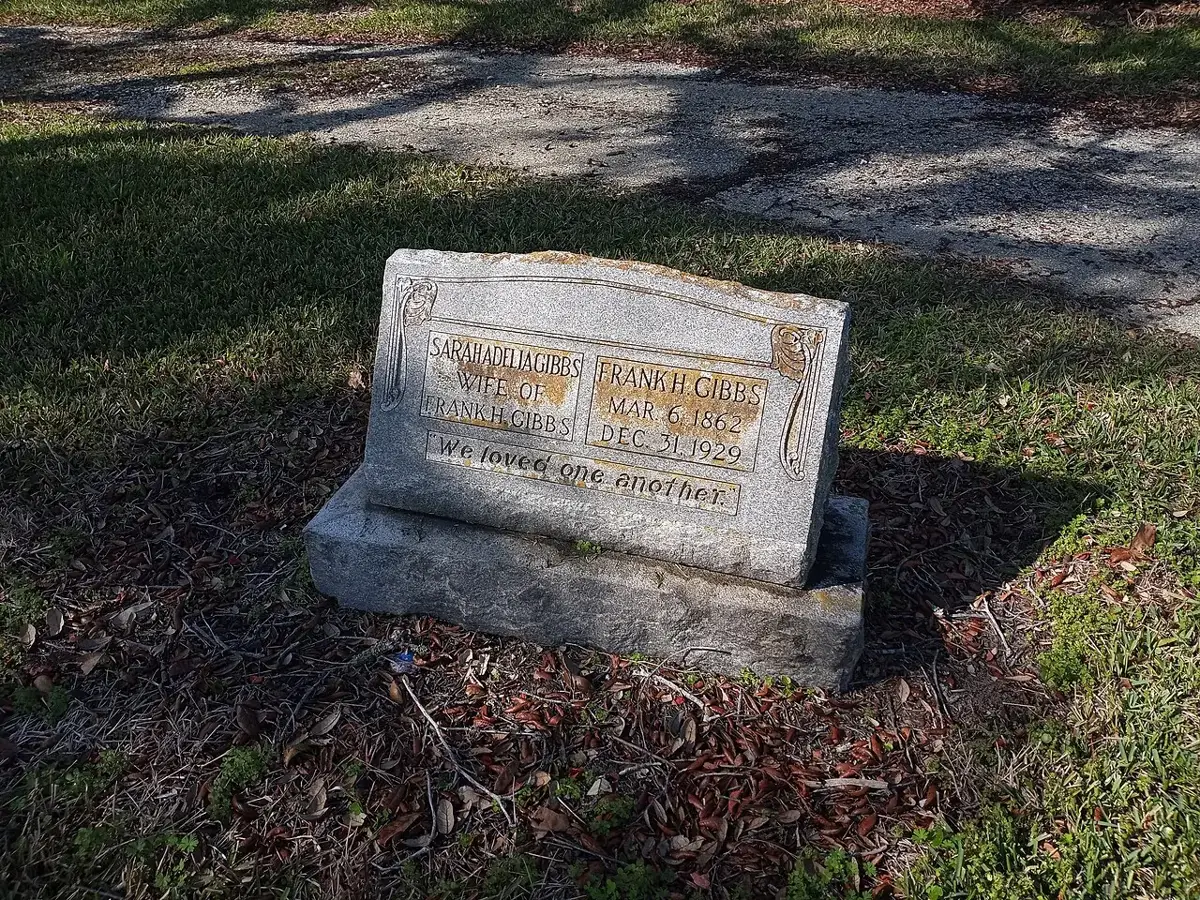
A stock photograph can illustrate a subject without showing the company’s own installation. Label it accordingly. A historical photograph may show an earlier arrangement; include its date or uncertainty rather than presenting it as the current site.
Avoid captions that turn a visible condition into a diagnosis. “Memorial photographed after heavy rain” does not establish storm damage. Similarly, a photograph showing a name does not verify that the person is buried there. The caption should remain within the evidence.
Keep public stories separate from private project files
A memorial project can contain names of living relatives, telephone numbers, signatures and payment records. These may help coordinate work, but they rarely belong in a public photo gallery. Create a publication copy that includes only what the public story needs.
Ask contributors whether a family photograph may appear in that context. The portrait file guide addresses reproducing an image on a memorial. Sharing photographs of a cemetery is a separate use and may require a separate discussion.
Example: a volunteer receives a useful context shot
Imagine that a volunteer photographs the correct grave and includes a nearby family gathering in the background. The requester can thank the volunteer and keep the image privately while asking whether a different crop or replacement image is available for public use.
Do not publish first and ask later simply because the photograph was sent by email. The sender may have intended a private favour. A short question about the audience often resolves the issue more easily than trying to repair a public misunderstanding.
Record permissions with the image
Keep the photographer’s name, source file, relevant site permission and intended use together. If a permission has limits, make them visible to the next person preparing the website or family archive. A file named “approved” without explaining what was approved can outlive the memory of the conversation.
For safe capture, use the headstone photography guide. For the broader site experience, review cemetery etiquette. The aim is a useful image record that respects the people and place around the memorial.
Key Takeaways
- Cemetery access, image capture and public publication should be considered separately.
- Captions should not claim ownership, installation work or burial facts that a photograph cannot establish.
- Keep private project documents out of public memorial galleries unless the specific use is justified and agreed.
Frequently Asked Questions
Can I post every photograph I take in a cemetery?
Check the site policy and the intended use. Being able to take a personal photograph does not settle every publication question.
Can a supplier use a family’s image as portfolio work?
Ask about permission and describe the role accurately; do not imply the supplier made or installed something it did not.
Should I share supporting certificates with the photo?
Usually the public story does not need private certificates. Separate the publication copy from the full project file.
Next Step
Use the headstone photography guide to plan a focused, respectful image set.
Read More
- How to Photograph a Headstone for Records and Genealogy
- Cemetery Etiquette: How to Visit a Grave Respectfully
- Headstone Portrait Permissions: Prepare the Photo File
A Note on This Guide
This is respectful publication planning, not a legal opinion about a specific image. Copyright, privacy and operator policies differ. Follow the actual cemetery’s policy and obtain advice for an unresolved rights question.
Published by Marwaa Team for Marwaa Memorials (marwaamemorials.com) · Published 2026-11-21 · Updated 2026-11-21 Marwaa Memorials is a factory-direct exporter of bulk granite monuments and headstones, shipping to monument dealers, funeral homes, and importers across North America.
Related guides

Memorial Portfolio Photos: Record Permission Before Use

Sharing a Headstone Proof Without Sharing Private Files
Headstone Portrait Permissions: Prepare the Photo File

Request a Grave Photo That Answers Your Question
Memorial Bench Location Brief: Before You Order