
When Cemetery Grave References Do Not Match
Resolve a cemetery grave reference discrepancy by comparing section, lot and grave identifiers before a memorial order proceeds.
By Marwaa Team · Published

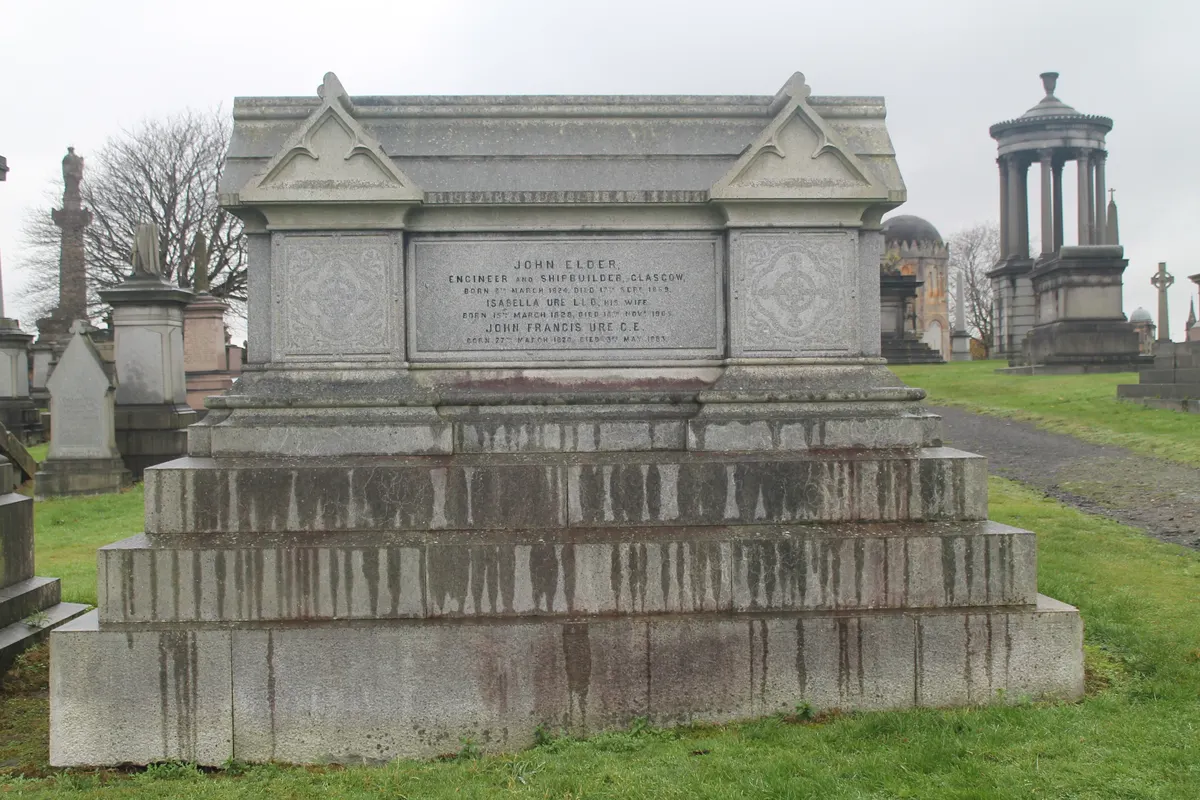
Illustrative stock photograph: Jewish Gravestone Murgeni.jpg by Xenia Andersen · CC BY-SA 4.0. Hosted by Wikimedia Commons. The photograph does not represent Marwaa’s work or a featured service location.
When cemetery grave references do not match, preserve both versions and ask the record custodian to reconcile them. Compare the complete location reference, not just the name or one number. Keep an order or installation instruction provisional until the responsible office confirms which reference identifies the intended site.
What counts as a reference discrepancy?
A discrepancy can involve a different section, a missing lot prefix or a reference copied from an older map. Two documents may refer to the same place using different systems. They may also refer to different graves. The family should not settle that question by choosing whichever number appears most often.
Start by identifying the documents: cemetery letter, burial record, rights certificate, supplier brief or online memorial. These records have different purposes. A name on a headstone identifies a commemorated person; it does not establish every part of a cemetery’s current administrative reference.
Compare the complete identifier
Make separate fields for cemetery, section, block or lot, grave and any other component used by the office. Preserve leading zeroes, letter prefixes and punctuation in the source copy. Ask what they mean before simplifying them. A short form may be familiar to staff yet incomplete for a visiting installer.
Write the issuing organization and document date beside each version. If you have only a family photograph of a form, ask whether the original can be found. Do not erase the conflicting entry. The difference is exactly what the custodian needs to investigate.
Keep a reconciliation table
| Source | Reference as supplied | Question for the custodian |
|---|---|---|
| Cemetery correspondence | Complete original text | Is this the current operational reference? |
| Historic record | Older section or lot label | Has the numbering system changed? |
| Family certificate | Reference and issue date | Does it identify the intended space or a larger plot? |
| Supplier brief | Copied project reference | Which source supplied it? |
| Online entry | Location text and URL | Is it a transcription rather than an office record? |
The table does not rank one type of document above another. It exposes the exact difference. Save the source copies with it, because a transcription error in the table can otherwise create another layer of uncertainty.
Ask the office a focused question
Send the conflicting references in one message with the relevant names and dates. Ask whether they identify the same location, which reference should appear on the memorial paperwork and whether the office can supply an annotated map or written confirmation. Request clarification of any term you do not understand.
Avoid framing the enquiry as an accusation when the issue may be an older numbering system. A factual question helps staff trace the record. If the response does not resolve the difference, ask what remains unknown and who holds the next relevant record.
Keep manufacture and site instructions distinct
A stone design may continue through some review stages while a location question remains open. Ask the supplier what can safely remain provisional. Explicitly identify the unresolved location rather than assuming every participant reads the whole email chain.
Do not give an installer a guessed position based on a nearby surname. If the site reference is unresolved, tell the cemetery and installer before a booking proceeds. The project brief should show that open item beside its owner and source, not bury it in a footnote.
Example: the missing section letter
Imagine that a certificate gives “B, lot 18, grave 2” while a family note says “18/2.” A memorial database also shows a person with the same surname elsewhere in the cemetery. The useful task is not to compare the names and choose the closest visual match.
Ask whether the family note omitted section B and whether the database entry concerns the same person. After the office replies, record its complete answer and update the supplier brief. Keep the old note as a source, marked superseded for operational use rather than deleted from the family history.
Preserve the confirmed answer for later additions
Once the custodian resolves the issue, keep the reply with the date and contact. Update the current brief, survey request and installation file. Tell any participant who received the incorrect reference which version replaces it. A corrected family spreadsheet alone does not update a supplier’s booking system.
The PHMC documentation resource treats maps and burial records as distinct documentary material. The USGS cemetery mapping guidance concerns cemetery locations, not proof of individual graves. Those limits matter when map pins appear convincing.
For general orientation, see how to read a cemetery map. If the discrepancy concerns names or dates rather than location, ask the appropriate record holder about that separately. One resolved field should not imply that every detail has been verified.
Key Takeaways
- A cemetery grave reference needs all components used by its record custodian.
- Preserving conflicting versions helps the office explain an older numbering system or transcription error.
- A cemetery map pin does not verify an individual grave or authorize installation.
Frequently Asked Questions
Should I use the reference printed on the newest-looking document?
Ask the custodian to reconcile the records rather than choosing by appearance.
Can a surname on a nearby memorial settle the location?
No. Similar names and family groups are not a substitute for the cemetery’s location confirmation.
Who needs the corrected reference?
Update every current participant who received the old one, including the supplier, surveyor or installer as relevant.
Next Step
Use the cemetery appointment question list to prepare a focused reference enquiry.
Read More
- How to Read a Cemetery Map and Find a Plot
- Headstone Project Brief: A Worksheet Before You Request Quotes
- How to Find Where Someone Is Buried: Locating a Grave
A Note on This Guide
This is a record-checking workflow, not a determination of burial location, ownership or legal authority. Cemetery numbering systems and the documents needed to confirm them vary. Obtain the responsible custodian’s answer for the actual site.
Published by Marwaa Team for Marwaa Memorials (marwaamemorials.com) · Published 2026-11-21 · Updated 2026-11-21 Marwaa Memorials is a factory-direct exporter of bulk granite monuments and headstones, shipping to monument dealers, funeral homes, and importers across North America.
Related guides

Faith Sections in Cemeteries Explained

Using an Existing Headstone as a Design Reference

Cemetery Headstone Rules in Canada and the USA: A Practical Guide Before Ordering
Cemetery Rejected Your Headstone Design: What to Revise

Memorial Park vs Traditional Cemetery
