
Concealed Monument Faces: Record the Finish Requirements
Keep concealed monument faces explicit in the fabrication documents so decorative finish shorthand does not override interface requirements.
By Marwaa Team · Published

Illustrative stock photograph: Dressing area for granite slabs - geograph.org.uk - 2125360.jpg by Eric Jones · CC BY-SA 2.0. Hosted by Wikimedia Commons. The photograph does not represent Marwaa’s work or a featured service location.
Concealed monument faces need explicit fabrication requirements even though visitors may never see them. Distinguish decorative surfaces from contact or interface surfaces, then refer technical treatment to the approved design. A buyer should not assume that an all-polished description applies to every hidden face or that an unseen face can be left unspecified.
What are concealed monument faces?
Concealed faces are surfaces hidden in the completed arrangement or used at an interface between parts. Their role depends on the actual memorial design. A hidden surface can require a different instruction from an exposed decorative face.
The purpose of the spec is to name those surfaces and the responsible technical reference. It is not to let the purchaser choose a joint treatment by aesthetic preference. Ask the designer or fabricator to explain the relevant written specs in plain language.
A catalogue's shorthand finish description may focus on visible appearance. Keep that description, but do not use it to override a specific production detail. The finish overview provides background for that distinction.
How should concealed faces be labelled?
Label the part and name the hidden face in the drawing set. A section or assembly view can make the location clear when a front elevation cannot. Ask the drawing author to use consistent references across the part and assembly documents.
State whether a surface is concealed in the intended arrangement or merely less visible. A reverse face may still carry an inscription or be visible from another approach. Its treatment should follow the design, not the assumption that visitors stand in only one place.
| Surface role | Review priority | Responsibility to clarify |
|---|---|---|
| Exposed decorative face | Accepted appearance and finish | Buyer and fabricator |
| Reverse visible face | Actual use and inscription scope | Buyer and designer |
| Concealed interface | Approved technical treatment | Responsible design professional |
| Temporary handling area | Appropriate site method | Fabricator or handler |
| Unclear surface | Resolve its role before release | Drawing author |
This review assigns review questions, not construction specs.
Why can finish shorthand cause a problem?
An “all polished” phrase may sound complete while leaving interface treatment unexplained. Conversely, a general note about hidden faces can be misapplied to a visible area. Translate the intended scope into labelled drawing instructions.
Ask which instruction controls when a catalogue, quotation and detailed drawing appear inconsistent. Do not let an inspector resolve the contradiction by choosing the most convenient meaning. The parties should issue a clear accepted document before work is released.
If the design changes and a previously hidden face becomes visible, review its finish. A new direction or accessory arrangement can change what visitors see. The drawing revision should make the new role explicit.
What should inspection verify?
Check should check the spec actually specified for the hidden surface. The professional check plan should name whether the check needs access before assembly or packing. A final front photograph cannot show a condition that is no longer visible.
Ask the supplier to record any check that occurs earlier in production and explain how it connects to the finished piece. Keep the part marks and document versions consistent so an earlier note remains identifiable.
Do not request disassembly or movement without suitable professional arrangements. If the necessary feature is inaccessible, the inspector should state that limitation rather than infer a result. Heavy parts must remain under the site's safe handling control.
How do you manage a proposed change?
A proposed change to a concealed surface should be reviewed for its actual role. A decorative acceptance decision may be insufficient where the surface relates to an assembly or fixing spec. Ask the qualified professional whether the change is suitable.
Record the effect on sizes, matching parts and check evidence. A correction to one interface may require coordinated changes elsewhere. The buyer should receive a clear proposal before authorizing work.
The base guide helps explain part links. It does not prescribe a universal concealed-face treatment for every memorial.
What belongs in the handover packet?
Keep the approved production details, relevant earlier check evidence and any agreed changes together. A future repair or replacement enquiry may depend on details that visitors cannot observe at the finished site.
The factory page provides production context, while the actual order packet defines its interfaces. Good records does not make a hidden detail decorative. It makes its purpose clear enough that the right professional can specify and review it.
Key Takeaways
- A concealed monument face should have an named role and technical reference.
- Decorative finish shorthand should not override an approved interface detail.
- Check must state when a required hidden feature could not be accessed.
Frequently Asked Questions
Should every concealed face be polished?
Do not assume a universal treatment. The approved design and production specs should state what applies.
Can the inspector infer a hidden condition from the finished front?
No. Use the relevant earlier evidence or record the access limitation.
Who decides whether an interface change is suitable?
The responsible designer or relevant professional, with the buyer’s right authorization and site specs addressed.
For a dealer or importer order, request a bulk monument quotation with the relevant drawing and the acceptance points that still need agreement.
Read More
A Note on This Guide
This article deliberately avoids joint sizes, adhesive recommendations and structural details. Use the approved specs from the qualified professional and the actual cemetery process.
For safe stone access, see the OSHA bulletin. For locating material and application standards, see the Natural Stone Institute directory.
Published by Marwaa Team for Marwaa Memorials (marwaamemorials.com) · Published 2026-11-21 · Updated 2026-11-21 Marwaa Memorials is a factory-direct exporter of bulk granite monuments and headstones, shipping to monument dealers, funeral homes, and importers across North America.
Related guides

Monument Finish Schedule: Specify Every Stone Face

Concealed Monument Freight Damage: Build the Evidence File
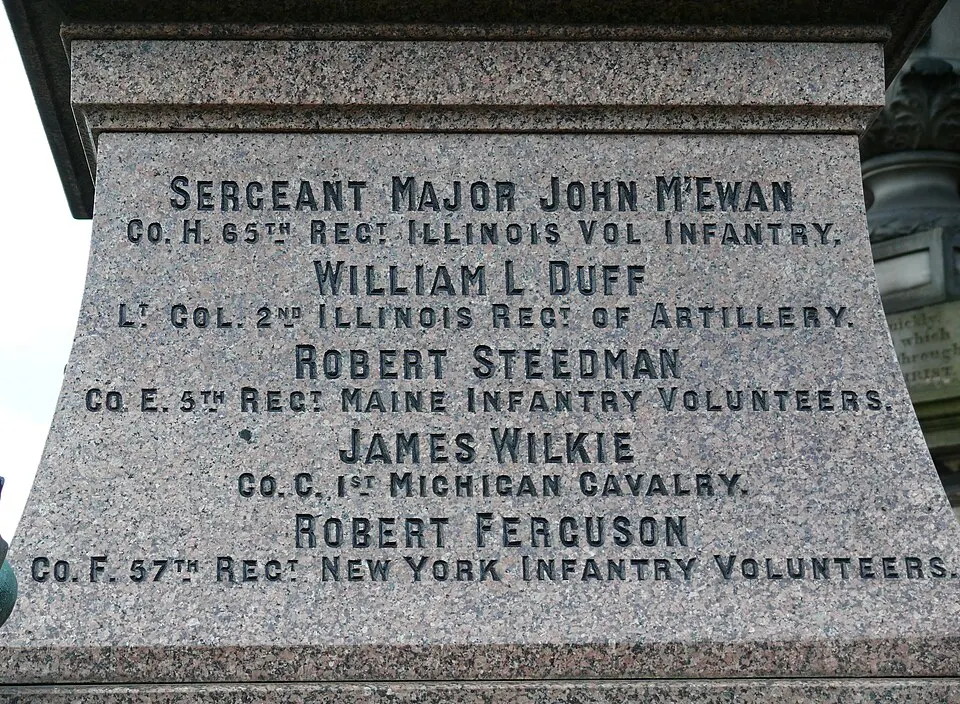
Why Do Graves and Headstones Face East?

Granite Headstone Foundation Requirements Explained
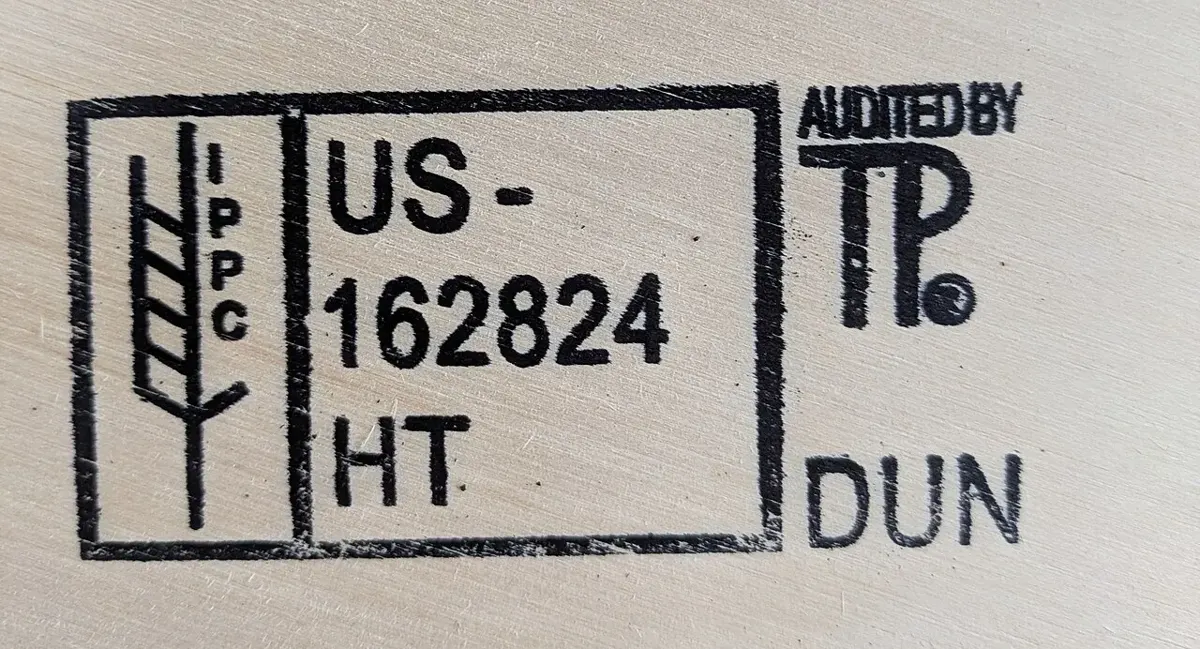
Wood Crates for Monument Exports: Keep the Right Records
