
Wood Crates for Monument Exports: Keep the Right Records
Keep monument wood-packaging records linked to the actual crates and destination requirements without confusing pest controls with load safety.
By Marwaa Team · Editorial standards · Published
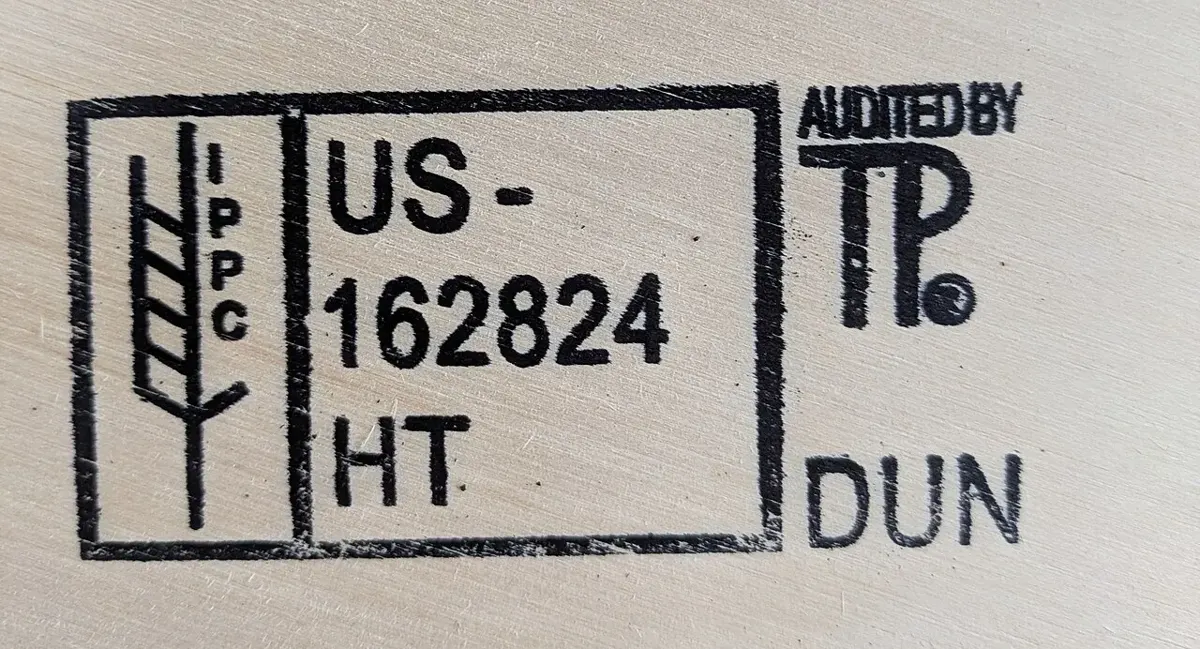
Illustrative stock photograph: ISPM15-dunnage-stamp-for-international-shipping-vol-case.jpg by VCCmatt · CC BY-SA 4.0. Resized and converted to WebP. The photograph does not represent Marwaa’s work or a featured service location.
Monument wood-packaging records should identify the actual packaging materials, relevant treatment or marking information and the shipment they protect. Check destination requirements with the supplier and responsible customs professional before packing. An ISPM 15 mark concerns regulated wood-packaging pest risk; it does not certify that a crate can safely support a particular stone load.
Which packaging materials are actually present?
Ask the supplier to describe the crate, supports and dunnage used for the order. Do not assume that a plywood panel means the whole package contains no regulated raw wood. The complete arrangement matters, including materials used inside or beneath the package.
Record the distinction between solid wood and processed materials as a question for confirmation. USDA APHIS's wood-packaging page explains regulated wood packaging and lists alternatives. Destination-specific treatment of the actual material needs the responsible professional's review.
Why are pest compliance and structural suitability separate?
A treatment mark addresses one regulatory purpose. It does not describe the crate's strength, supports, lifting arrangement or suitability for the polished stone inside. Those are separate professional packing and handling matters.
Keep the two reviews visible in the order record. A buyer should not accept “ISPM compliant” as the complete answer to a question about supporting a long base or projecting carving. Ask the supplier which order-specific packing information and evidence it will provide.
What should the records table contain?
| Record topic | Evidence to request |
|---|---|
| Material description | Supplier's actual packing-material information |
| Destination | Country and relevant entry arrangement |
| Marking or treatment | Appropriate current evidence for covered material |
| Crate identity | Link between evidence and package reference |
| Packing suitability | Separate order-specific professional plan |
| Changed packaging | Revised evidence and approval where needed |
Do not ask staff to create or reproduce official marks themselves. If a mark is unclear or requirements are uncertain, send the question to the responsible supplier and customs contact. A copied stamp image is not proof for a different crate.
When should photographs be requested?
Agree the evidence before the crates close. If mark photographs form part of the supplier's accepted scope, ask that they identify the relevant package. A close image without context may be difficult to connect to the shipment.
Retain the original photograph and the associated package reference. Avoid editing a mark to make it appear clearer. If the image cannot be read, ask for a replacement photograph or explanation rather than enhancing it into apparently legible information that may be wrong.
What if the packing arrangement changes?
Ask whether substituting materials, repairing a crate or adding dunnage changes the relevant compliance or handling review. The supplier and responsible professionals should confirm the consequences. Do not assume the original evidence covers every later material added to the load.
Keep the revision connected to the packing list and dispatch record. The International Trade Administration's packing-list guidance explains the shipment-detail role. Its invoice guidance concerns the separate commercial record.
What should a receiver report?
Follow the actual receiving and authority instructions if packaging raises a concern. Record visible information safely and notify the responsible party. Do not remove, alter or dispose of relevant packaging merely to make the receiving area tidy while an issue is unresolved.
The delivery inspection guide provides general record context. A receiver's observation is not an official compliance determination. The appropriate authority or professional must direct the response for the actual situation.
How does this support a trade order?
Ask Marwaa's export team which packing evidence and destination responsibilities the accepted order includes. Keep pest-control records, structural packing information and shipment identification as linked but distinct items.
The result should let a later reviewer answer three questions: what material was used, what evidence related to it and which packages it covered. That is more useful than a generic certificate kept in a supplier folder with no connection to the actual load.
How should a mixed-material package be described?
Ask the supplier to identify each relevant material in the packing arrangement rather than choosing one label for the whole package. A processed-wood panel and a separate timber support can raise different questions. Record what the supplier actually states, then ask the destination professional which evidence is needed. Do not decide scope from a photograph alone or remove a material from the description because another supplier calls a similar crate exempt. A precise material description helps the responsible party assess the actual arrangement without turning the dealer into a packaging regulator.
Key Takeaways
- Identify all actual packaging materials, not just the outer panel.
- ISPM 15 evidence and structural packing suitability answer different questions.
- Link packaging records to the particular shipment and crate references.
Frequently Asked Questions
Does a plywood crate automatically avoid all wood-packaging questions?
Not necessarily. Ask about every material in the actual package, including supports and dunnage.
Does an ISPM 15 mark certify crate strength?
No. It concerns the regulated wood-packaging purpose, not an engineering approval for the stone load.
Can we reuse a mark photograph from an earlier shipment?
Do not present it as evidence for a different crate. Obtain records tied to the actual packaging.
For a bulk memorial order, request a trade quotation with the product schedule and the delivery questions relevant to this guide.
Read More
- Granite Monument Shipping: FCL vs LCL Containers
- How to Import Granite Monuments: The Complete B2B Step-by-Step Guide
- Headstone Delivery Checklist
A Note on This Guide
This guide distinguishes record types, not every destination rule. Confirm current wood-packaging requirements for the actual materials and entry, and use professional packing and handling advice separately.
Published by Marwaa Team for Marwaa Memorials (marwaamemorials.com) · Published 2026-11-21 · Updated 2026-11-21 Marwaa Memorials is a factory-direct exporter of bulk granite monuments and headstones, shipping to monument dealers, funeral homes, and importers across North America.
Related guides

Headstone Ideas for a Wood Carver

Monument Crate Labels: Map Components Without Guessing

Leaving Monument Software: Can You Use the Export?
Granite Monument Packing List: Reconcile Every Crate

Memorial Portfolio Photos: Record Permission Before Use
