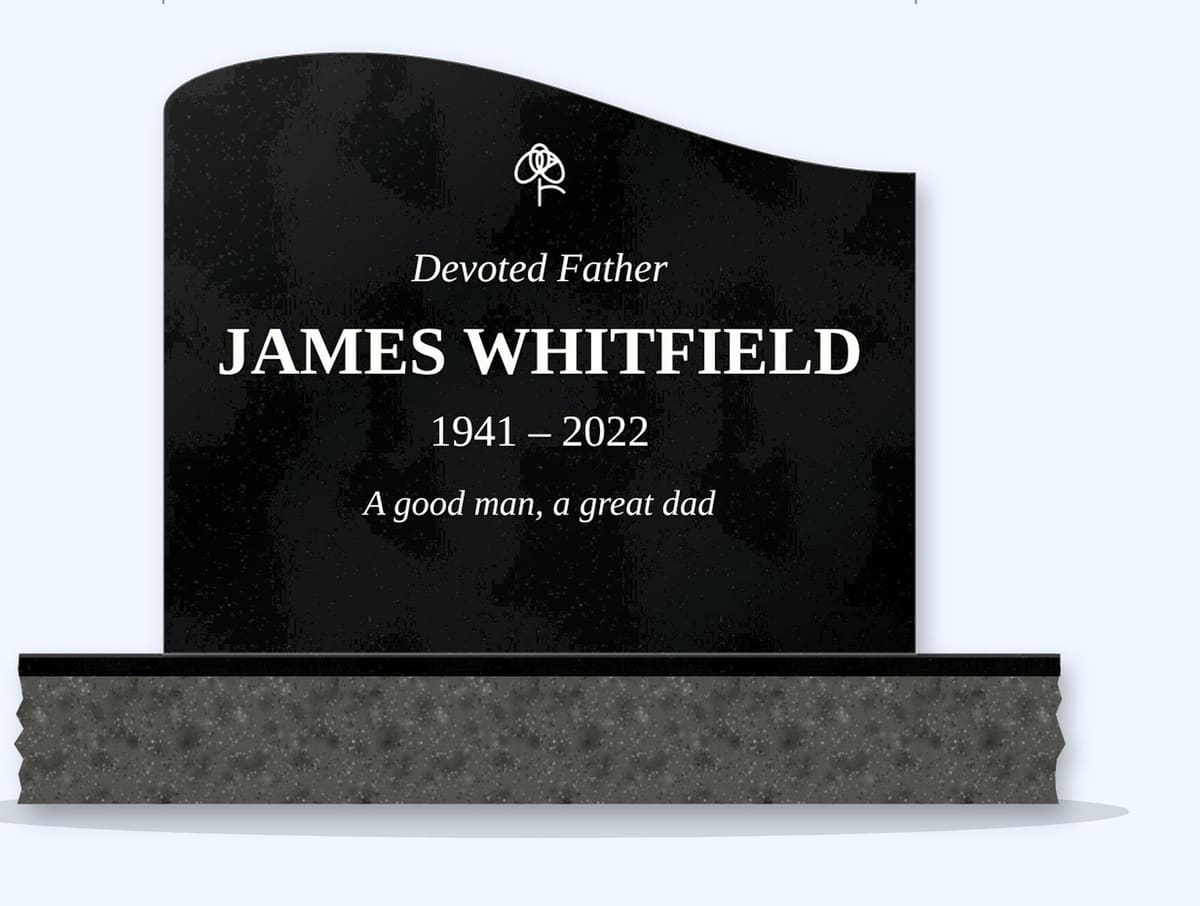
Headstone vs Gravestone vs Tombstone vs Monument: What's the Difference?
Headstone, gravestone, tombstone, monument, marker, footstone, ledger — what each term means, where it came from, and which words to use when you order.
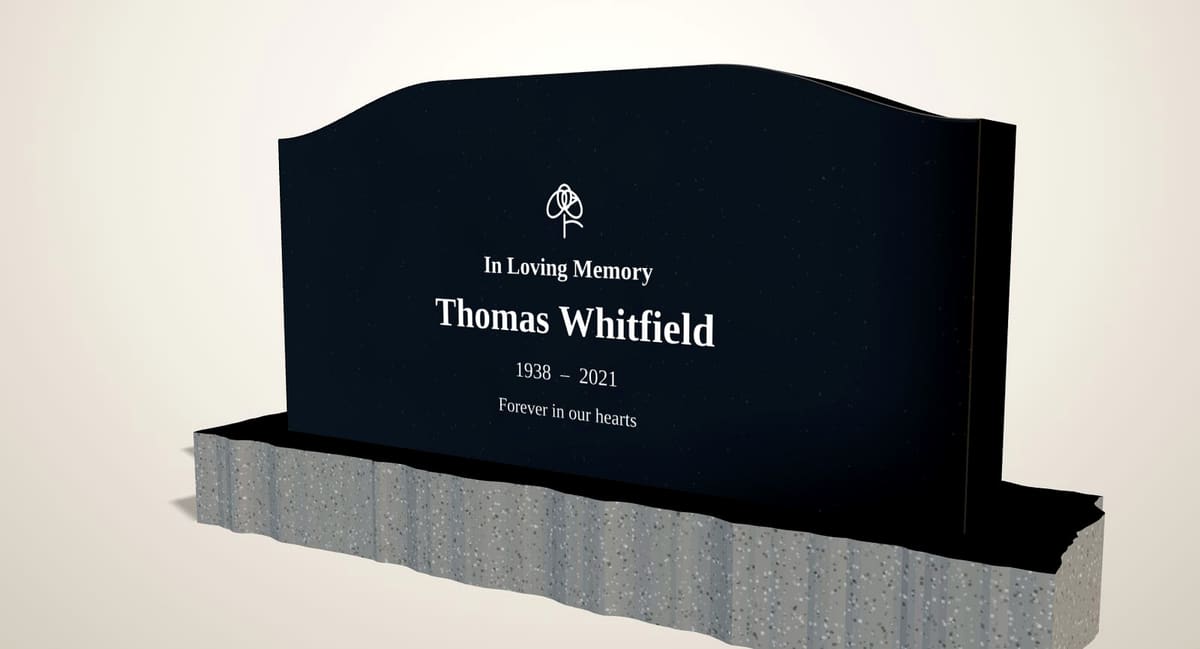
Families shopping for a memorial run into a confusing mix of words: headstone, gravestone, tombstone, monument, marker. Cemetery offices and manufacturers add their own — die, base, slant, bevel, ledger. Most of these overlap, but a few have precise meanings that matter when you're reading a cemetery's rules or a quote.
The quick answer
| Term | What it usually means today |
|---|---|
| Headstone | Any stone placed at the head of a grave. The most common everyday word. |
| Gravestone | Same as headstone — a stone marking a grave. Slightly more traditional. |
| Tombstone | Originally the stone lid of a tomb; now used informally for any grave marker. |
| Monument | A larger upright memorial, often a die on a base, sometimes for a family plot. |
| Grave marker | The broad umbrella term — includes flat, flush and bronze markers. |
| Flat / flush marker | A marker set level with the ground so mowers pass over it. |
| Footstone | A small stone at the foot of a grave, often with initials or a single name. |
| Ledger | A full-length slab covering the whole grave, sometimes paired with a headstone. |
Headstone and gravestone
In everyday speech the two are interchangeable. "Headstone" describes where the stone sits — at the head of the grave — while "gravestone" simply means a stone on a grave. Neither implies a particular size or shape.
Tombstone
A tombstone was historically the stone covering a tomb or sarcophagus. Over time it became a general word for any grave marker, which is why you'll hear it in films and on old postcards. Cemeteries and manufacturers rarely use it in paperwork today.
Monument
"Monument" usually signals something larger and upright: an engraved die (the main stone) standing on a separate base. Family monuments with one surname and individual markers nearby fall under this term too. When a cemetery's rules mention "monuments", they generally mean upright memorials, as opposed to flat markers. Our upright headstone buying guide explains dies, bases and standard sizes.
Marker
"Marker" is the broadest term, and in cemetery rules it often means flat or low memorials. Lawn and memorial-park sections frequently allow markers only — see flat markers vs upright headstones.
The words you'll see on a quote
- Die — the upright, engraved stone.
- Base — the stone the die sits on, usually a few inches wider and deeper.
- Slant, bevel and pillow — low marker styles with sloped faces, explained in our slant, bevel and pillow marker guide.
- Polish sides (P2, P3, P5) and rock pitch — how the edges are finished; see granite finishes explained.
- Serp top, gable, half round — the shape of the top edge.
Why the wording matters
When a cemetery says "markers only" or "one monument per lot", the definitions above decide what you can buy. Before you order, ask for the cemetery's written rules and check whether they mean flat markers, upright monuments, or both. Our cemetery headstone rules guide lists the questions to ask.
Key Takeaways
- Headstone and gravestone mean the same thing; tombstone is an older, informal word.
- Monument usually means a larger upright memorial — a die on a base.
- Marker is the umbrella term and often refers to flat or low styles in cemetery rules.
- Learn die, base, slant, bevel and polish terms before comparing quotes.
Next Step
Try shapes and finishes in the Design Studio, or request a quote and we'll match the terms in your cemetery's rules.
Frequently Asked Questions
Is a headstone the same as a gravestone?
Yes. Both describe a stone placed on a grave. Headstone refers to its position at the head of the grave; the terms are used interchangeably.
What is the difference between a monument and a headstone?
Monument usually means a larger upright memorial — an engraved die on a separate base — while headstone is the general term for any stone at the head of a grave.
Why is it called a tombstone?
The word originally described the stone lid of a tomb. It later became an informal name for any grave marker.
What does 'markers only' mean in cemetery rules?
It usually means only flat or low markers are allowed in that section, not upright monuments. Always confirm the exact sizes in the cemetery's written rules.
Ready to get pricing for your granite monument?
Request pricing, factory specifications, and DAP delivery timelines from our team.
Related guides

Family Monument vs Individual Markers
Headstone Deposits and Payment Terms
Footstones

How to Order a Headstone for a Cemetery in Another City or Province

Flat Grave Markers vs Upright Headstones