Cameo Portrait or Etched Memorial Photograph?
Compare a cameo memorial portrait with an etched photograph by the actual object, desired likeness, viewing experience and supplier roles.
By Marwaa Team · Editorial standards · Published
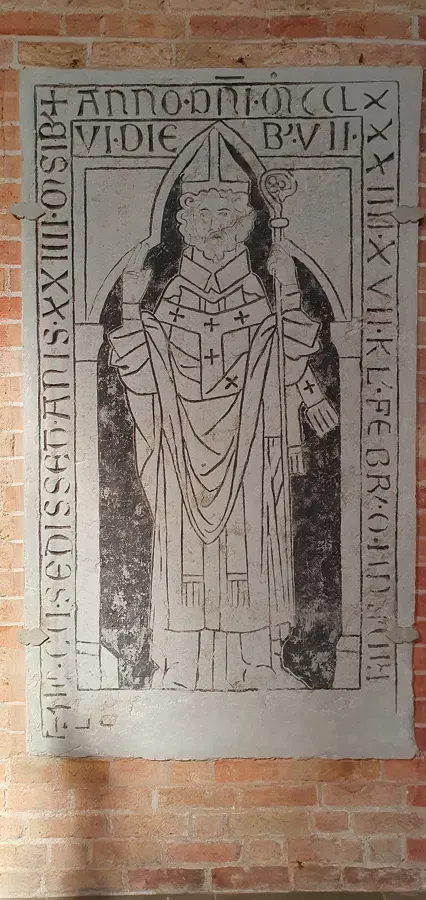
Illustrative stock photograph: Gravestone of bishop Ulrich von Blücher (1254) in Ratzeburg cathedral; Ledger stones in Ratzeburg Cathedral; 2023 in Ratzeburg; Bishops in art; Ulrich von Blücher (bishop).jpg by Qwertzu111111 · CC BY-SA 4.0. Resized and converted to WebP. The photograph does not represent Marwaa’s work or a featured service location.
A cameo memorial portrait and an etched photograph express a person in different ways. Ask what the supplier means by cameo: the word may describe a sculpted relief or a product name. Compare the actual likeness, material and intended view rather than assuming the label guarantees one process. A relief interpretation need not reproduce every photographic detail, while a photographic treatment still needs careful source review.
The decision begins with the kind of portrait the family wants to encounter. A small modelled profile can have a different purpose from a photograph of a familiar expression. Neither has to be treated as an automatic substitute for the other.
What does cameo mean in this proposal?
Ask whether the provider is describing a relief form, a layered material tradition or simply its own name for a portrait item. Do not transfer a museum definition to every commercial product using the same word. The actual object and method need to be identified.
The Metropolitan Museum’s discussion of cameos gives useful historical context for relief portraiture. It does not specify a modern memorial product. Use that distinction to ask clearer questions rather than deciding that a catalogue label proves how an image was made.
What kind of likeness does the family want?
A sculpted interpretation can emphasize profile, form or a few defining features. A photographic treatment may give another kind of record. Ask the family which view of the person matters and what source material it can supply.
Do not promise exact likeness from a small model, a low-resolution picture or a general example of another person. The portrait maker should explain its review process and the limits of the source. Family comments work best when they name specific features rather than asking for a more lifelike result without explanation.
How will the portrait be seen?
Consider the complete memorial and the intended approach. Modelled form can change in appearance as light and viewpoint change. A photograph or etched representation has its own relationship with the selected surface and size.
Ask for views that explain the proposal, not only the most dramatic angle. A family should understand which qualities are inherent in the object and which belong to a particular promotional photograph. The text and portrait should still have a clear relationship in the full composition.
Which practical distinctions remain?
A separate portrait object, a relief carved as part of a stone and an image marked onto a face are different proposals. Identify the actual arrangement and who is responsible for it. Do not infer care, replacement or fitting requirements from the word cameo.
If the family chooses a separate object, the relevant providers should coordinate it with the memorial. If it chooses a photographic method, keep the accepted source and prepared image clear. The portrait choice is a visual decision within a wider order, not permission to improvise an attachment.
Compare the design choices
| Choice | What to consider |
|---|---|
| Cameo label | Ask what object and method the provider means |
| Relief interpretation | Review form and source-based likeness |
| Photographic treatment | Review the actual image and proposed method |
| Viewing conditions | Understand how the complete portrait will be encountered |
| Physical arrangement | Separate object or part of the memorial identified explicitly |
A practical example
A family sees a small relief profile advertised as a cameo and compares it with a monochrome photo treatment. It initially assumes the cameo is simply a photograph in another frame. The maker explains that it is an interpreted relief object.
The family considers whether a profile captures the person as it remembers them. It asks about the actual review process and then compares the full memorial layouts. The choice follows the intended likeness, not a product name alone.
Making the choice
Ask the maker to describe the portrait in plain words. Then decide whether that kind of image serves the family’s intention. If the explanation and the example do not match, resolve the difference before choosing.
The product collection can give context for a stone form, but this guide does not claim that a particular portrait product is available from Marwaa. Establish the actual supplier roles and scope for the chosen design.
Key Takeaways
- The word cameo needs a product-specific explanation.
- Relief and photographic portraits can serve different likeness aims.
- The complete object and its intended view matter more than a dramatic sample image.
Frequently Asked Questions
Does cameo always mean the same process?
Do not assume so in a commercial listing. Ask the provider to identify the actual object and method.
Is a relief portrait an exact photograph in stone?
It is an interpretation of form. Ask how likeness will be developed and reviewed.
Can the family choose between a profile and a photographic view?
Discuss the source and desired memory with the portrait maker, then review the actual proposals.
Next step
Compare the other memorial portrait treatments, then ask which facial details each proposed portrait preserves. Review the actual source photograph with the memorial professional before approving either a cameo interpretation or an etched image.
Read More
- Headstone Photos: Ceramic Portraits vs Laser Etching vs Bronze Frames
- Restored Memorial Portraits: Keep Identity Intact
- Granite Relief Carving: Review a Production Sample
Further reference
Metropolitan Museum of Art: cameo context provides background relevant to the form or materials discussed. It is not a product approval, a Marwaa availability statement or permission for work at a particular site.
A Note on This Guide
This is a portrait-form comparison, not an art attribution or a specification for a particular commercial item. The actual supplier should explain its product. Cemetery acceptance and physical coordination remain separate requirements.
Published by Marwaa Team for Marwaa Memorials (marwaamemorials.com) · Published 2026-11-23 · Updated 2026-11-23 Marwaa Memorials is a factory-direct exporter of bulk granite monuments and headstones, shipping to monument dealers, funeral homes, and importers across North America.
Related guides

Laser Etched Portrait Headstones on Black Granite: Photo, Layout and Care Guide [2026]

How to Choose the Best Photo for a Headstone Portrait
Memorial Portrait Medallions: Choose the Shape
Custom Etched Scenes on Headstones: Ideas and Tips

Landscape vs Portrait Headstones