A Memorial Made for Touch: Plan the Experience
A hand can discover a curve, a change in texture or the relation between two forms. That experience may be central to the memorial. It also needs an explicit invitation and a design that has been considered for touch from the start.
By Marwaa Team · Editorial standards · Published
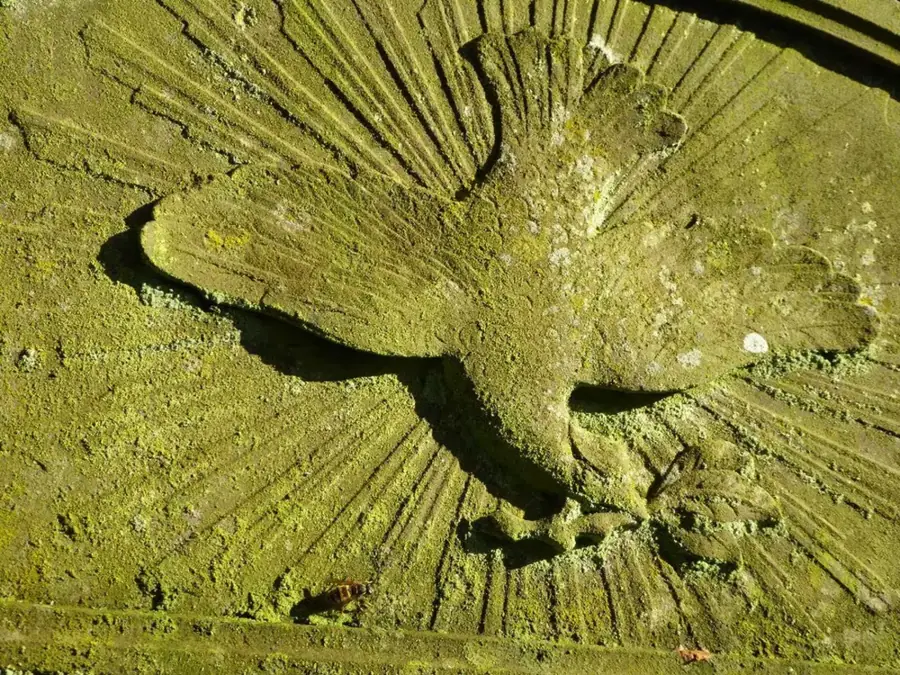
Illustrative stock photograph: Detail on a gravestone - geograph.org.uk - 5260487.jpg by Philip Halling · CC BY-SA 2.0. Resized and converted to WebP. The photograph does not represent Marwaa’s work or a featured service location.
Tactile memorial sculpture should be planned for the way people will explore it, not simply for the way it photographs. Decide what visitors are invited to touch, how they will recognise the subject and where the dedication belongs. The artist, access adviser and site team should assess the actual object. Permission to touch a newly commissioned work does not extend to historic monuments nearby.
A hand can discover a curve, a change in texture or the relation between two forms. That experience may be central to the memorial. It also needs an explicit invitation and a design that has been considered for touch from the start.
What should touch communicate?
Choose the idea a visitor should be able to find through touch. A recognisable outline, two joined forms or a deliberately contrasting surface might carry it. Details that work mainly through colour or distant perspective may not communicate the same idea by hand.
Ask intended users to describe what matters to them. Do not assume a sighted person's guess establishes tactile clarity. A simple physical study can support the conversation, but it should be explained as a study rather than the completed outdoor object.
Is the original the right thing to touch?
The touching surface may be the new sculpture itself, a separate tactile version or a handheld model. Compare those roles before settling the form. A smaller model can bring an otherwise distant part within reach without inviting visitors to climb or lean.
Smithsonian Exhibits describes tactile replicas as a way to explore objects that cannot otherwise be handled. That principle can inform a new memorial commission without implying that every replica is suitable outside. Identify which object gives the intended tactile experience and which object remains visual.
How will a visitor know touch is invited?
A visual sign alone may not reach the people the feature is meant to serve. Discuss the invitation, orientation and explanation with access specialists and users. The reader should not have to guess whether touching is respectful or allowed.
Make the boundary specific. If only a small model or one area is intended for handling, say so through suitable information. A blanket touch invitation could confuse visitors about other monuments. Site staff should understand the same arrangement, including any occasions when the feature cannot be used.
Where do the words and the person connect?
The dedication should remain associated with the tactile object. A visitor may explore the form without knowing whose memorial it is. Compare usable text, spoken description and any tactile name feature rather than relying on a distant plaque.
A sculptural shape does not need to tell a complete biography. A short explanation can connect it to the person while leaving room for individual response. The design catalogue helps discuss the relationship to a granite component, but specialist tactile work needs its own clear supply and review scope.
What belongs in the professional assessment?
Ask the responsible professionals to consider the complete interaction: approach, reach, surfaces, support and care. This guide cannot establish that an edge, projection or material is safe by appearance. Explain the intended use instead of specifying a feature from an internet photograph.
Agree how the site will report a change that affects handling. If a surface becomes loose or damaged, staff need a clear contact and a way to communicate any temporary restriction. The promise is an intentionally planned experience, not a claim that sculpture never changes.
Compare the practical choices
| Choice | Question to settle |
|---|---|
| Touchable original | Is deliberate handling part of its design and approval? |
| Separate tactile model | What information does the model retain or simplify? |
| Spoken description | How does a visitor connect form with dedication? |
| Visual-only feature | Is the touch boundary clear? |
A decision in practice
A family commissions a sculpture inspired by two hands meeting. Its first model has fine gaps that look effective in photographs but confuse the intended tactile reading. The artist develops a simpler study and asks users to explore it.
After comparing the studies, the family chooses a separate tactile model beside the visual work. The site team and specialists review its location and visitor information. Its purpose remains the same, but the way to encounter it is clearer. No visitor needs to handle the larger sculpture to understand the intended relationship.
Key Takeaways
- Touch should communicate a chosen idea rather than duplicate every visible detail.
- A separate tactile model may offer a different experience from the original sculpture.
- Touch permission and boundaries should be explicit and object-specific.
Frequently Asked Questions
Does a sculpture automatically work as tactile art?
No. Shape, information and actual handling experience need their own review.
Can a model replace a visual sculpture?
It can provide another way to encounter it, if its purpose and simplifications are explained.
May visitors touch nearby historic memorials too?
No. Permission for the new feature does not grant permission for other objects.
Next step
Use Relief or Full-Round Memorial Sculpture? to compare the physical form, then take the intended touch invitation and handling boundaries into the artist and site discussion. Ask who will assess the tactile model and explain which surfaces visitors may explore.
Read More
Sources and context
A Note on This Guide
This guide concerns a new, intentionally commissioned tactile experience. It gives no safety certification, touch permission for existing monuments or conservation treatment. Access specialists, the artist and site professionals should assess the actual object and setting.
Published by Marwaa Team for Marwaa Memorials (marwaamemorials.com) · Published 2026-11-25 · Updated 2026-11-25 Marwaa Memorials is a factory-direct exporter of bulk granite monuments and headstones, shipping to monument dealers, funeral homes, and importers across North America.
Related guides
Braille on a Memorial: Plan for Real Touch Reading
Kinetic Memorial Sculpture: When Movement Matters

Sandstone Memorials: Texture, Text and Expectations
Abstract Memorial Sculpture or a Recognisable Figure?
Cast Concrete Memorial or Carved Stone Design?