Abstract Memorial Sculpture or a Recognisable Figure?
Some families want to recognise a face. Others want a form that suggests connection, balance or an interruption without making a literal picture. The choice can become clearer when you describe what a visitor should notice before naming a style.
By Marwaa Team · Editorial standards · Published
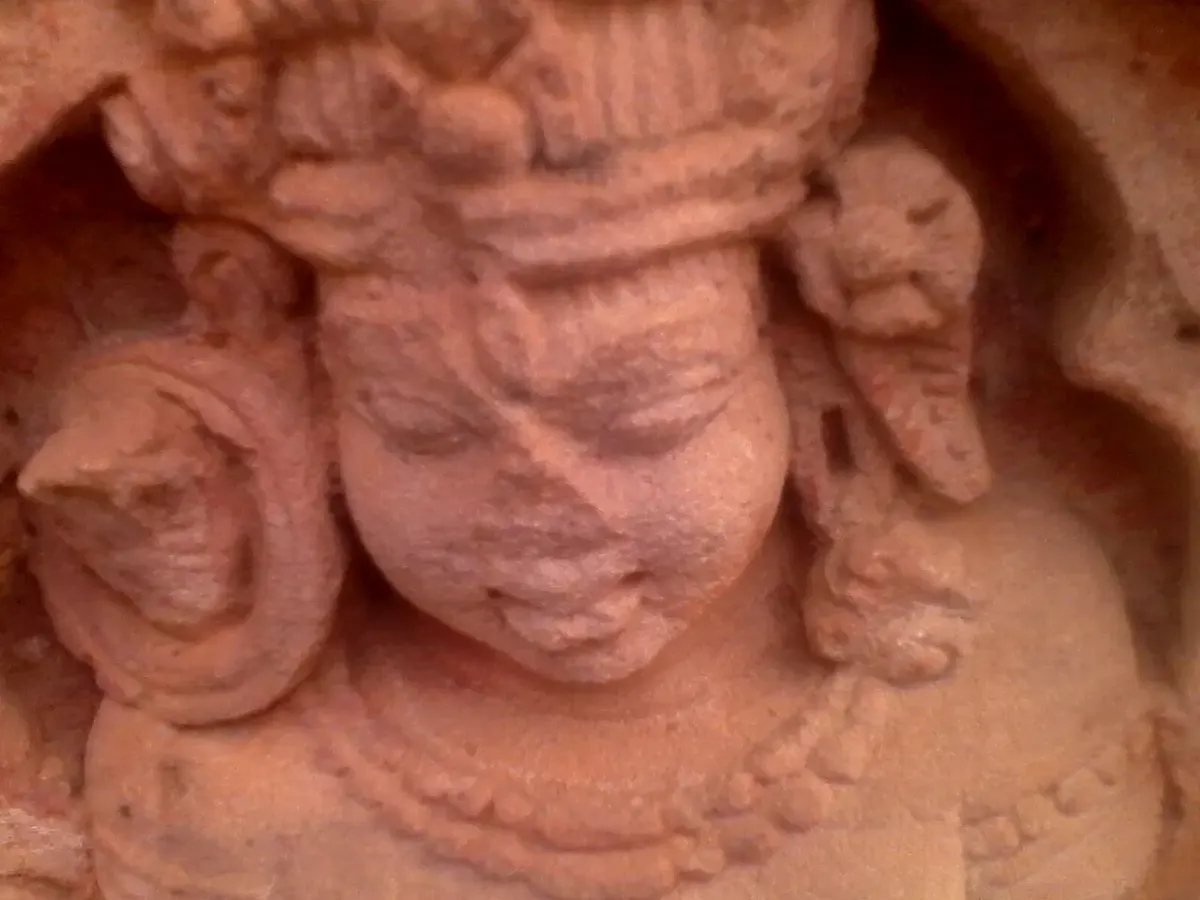
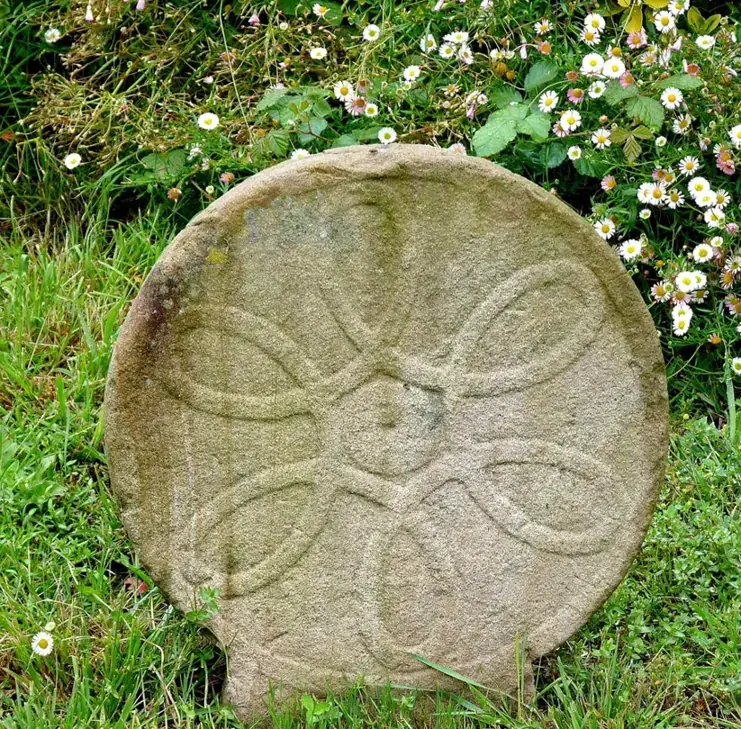
Illustrative stock photograph: Beautiful stone carving work.jpg by Smaranika123 · CC BY-SA 3.0. Resized and converted to WebP. The photograph does not represent Marwaa’s work or a featured service location.
Abstract memorial sculpture expresses an idea through form, space or material rather than necessarily depicting a recognisable person or object. Choose it when that open expression suits the family, not because it removes the need to explain the design. A figurative work offers a different starting point, but resemblance, identity and meaning still need discussion. Neither approach has one universal emotional effect.
Some families want to recognise a face. Others want a form that suggests connection, balance or an interruption without making a literal picture. The choice can become clearer when you describe what a visitor should notice before naming a style.
What must be recognisable?
List the things the memorial needs to identify directly. The person's name may need to be immediate, while the sculpture's meaning can remain open. A literal object can refer to an interest without attempting a portrait. These are separate choices.
A family does not have to choose between total abstraction and a life-like figure. An artist may propose a simplified human form or a recognisable object treated freely. Ask for an explanation of the intention rather than assuming a label tells you exactly what the finished work will communicate.
How much shared explanation does the family want?
An abstract form may invite different responses. Decide whether that openness is welcome or whether the family needs a particular relationship to be understood. A short dedication can connect the work to the person without telling every visitor what to feel.
Avoid presenting personal interpretations as universal symbolism. A circle can mean something specific to one family without carrying that meaning everywhere. The brief should record the family's reason, while the public text can remain concise. Meaning does not become stronger merely because the explanation becomes longer.
What does figurative work ask you to review?
A recognisable figure raises questions about likeness, gesture and identity. If the artist depicts a particular person, decide which source material defines that person for the commission. If it is a general figure, avoid describing it as a portrait.
The relief and full-round guide addresses physical form. That is a different decision from abstraction. An abstract work can be relief or fully three-dimensional, and a figurative subject can take either form. Keeping those choices separate makes alternatives easier to compare.
How should the setting change the conversation?
Consider the ordinary approach to the memorial. A form that depends on walking all around it needs a setting where that experience can be considered. A distant silhouette and a close view of texture may communicate different things.
Ask the artist to show a proposal in relation to its dedication and surrounding space. A gallery photograph is not a complete outdoor plan. Responsible professionals must assess the actual object and site. The family's role is to explain the experience it wants rather than prescribe supports or dimensions from a reference image.
What makes a proposal specific enough to choose?
Compare a short statement of purpose, a study of the form and the actual dedication. Ask what is still open to change. A rough study can be useful without pretending to show every finished surface.
For a granite-related commission, the catalogue helps describe the product context. An independent artist's work and any specialist materials need a defined supply scope. A dealer should not let the word custom stand in for agreement about authorship, subject, materials and what the family is being asked to accept.
Compare the practical choices
| Choice | Question to settle |
|---|---|
| Portrait | Which likeness and identity must be recognised? |
| General figure | Is it clearly symbolic rather than a particular person? |
| Abstract form | What relationship should the form suggest? |
| Simple object | Does recognition matter more than detailed realism? |
A decision in practice
A family initially asks for a full portrait statue, then realises it cannot agree on a particular age or expression. The artist proposes two linked abstract forms and a short dedication. Some relatives prefer the openness; another wants a recognisable reference.
They compare a simplified figure as a third option. The discussion moves from which style is more meaningful to what they want the object to say. The eventual choice is judged with the words and setting, rather than against a universal rule about how grief should look.
Key Takeaways
- Abstract and figurative describe the representational aim, not the construction method.
- A personal interpretation should not be presented as universal symbolism.
- Compare the form, dedication and setting as one memorial experience.
Frequently Asked Questions
Is abstract sculpture less personal?
Not inherently. Its connection depends on the intention, context and family’s understanding.
Does a figurative work have to be a portrait?
No. A recognisable general figure can be symbolic without depicting a specific person.
Is abstraction the same as full-round sculpture?
No. Representation and physical sculptural form are separate choices.
Next step
Start with Relief or Full-Round Memorial Sculpture? to separate sculptural form from representational meaning. Bring the artist a short account of what the family wants recognised and what it is comfortable leaving open to interpretation.
Read More
Sources and context
A Note on This Guide
This guide concerns artistic intention in a new commission. It does not prescribe emotional meaning, portrait likeness standards or engineering. An artist and memorial professional should define the actual proposal and obtain the relevant site's acceptance.
Published by Marwaa Team for Marwaa Memorials (marwaamemorials.com) · Published 2026-11-25 · Updated 2026-11-25 Marwaa Memorials is a factory-direct exporter of bulk granite monuments and headstones, shipping to monument dealers, funeral homes, and importers across North America.
Related guides
Kinetic Memorial Sculpture: When Movement Matters
Relief or Full-Round Memorial Sculpture?

Headstone Ideas for a Figure Skater
Spherical Memorials: Where Will the Words Belong?
Can You Put a Pet on a Headstone? Names, Pictures and Rules