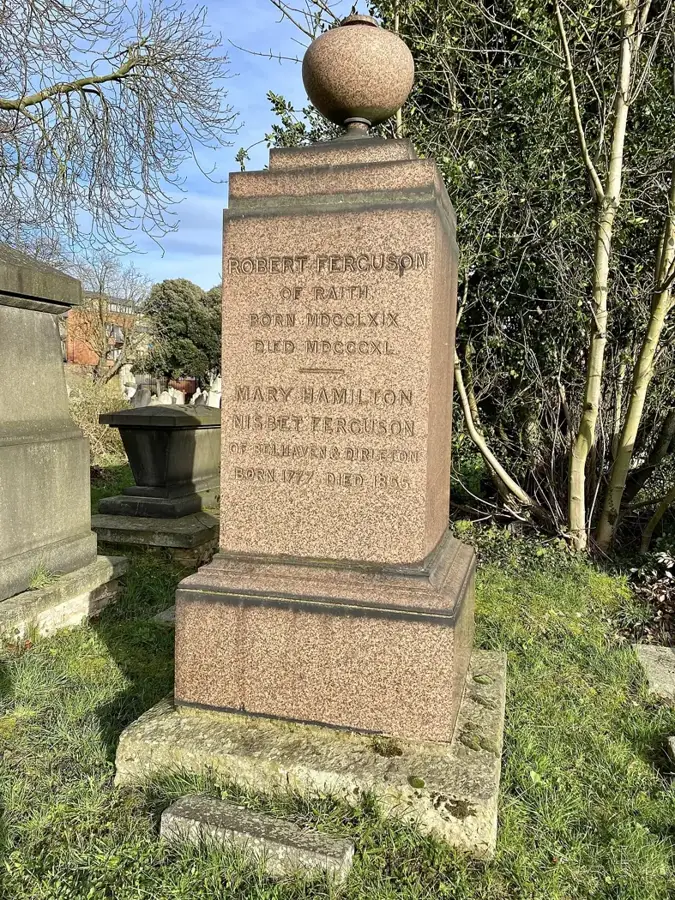
An Empty Headstone Base: Record Before Replacing
Learn what an empty headstone base can and cannot reveal before replacing a missing tablet, matching fragments or commissioning a new cemetery monument.
By Marwaa Team · Editorial standards · Published
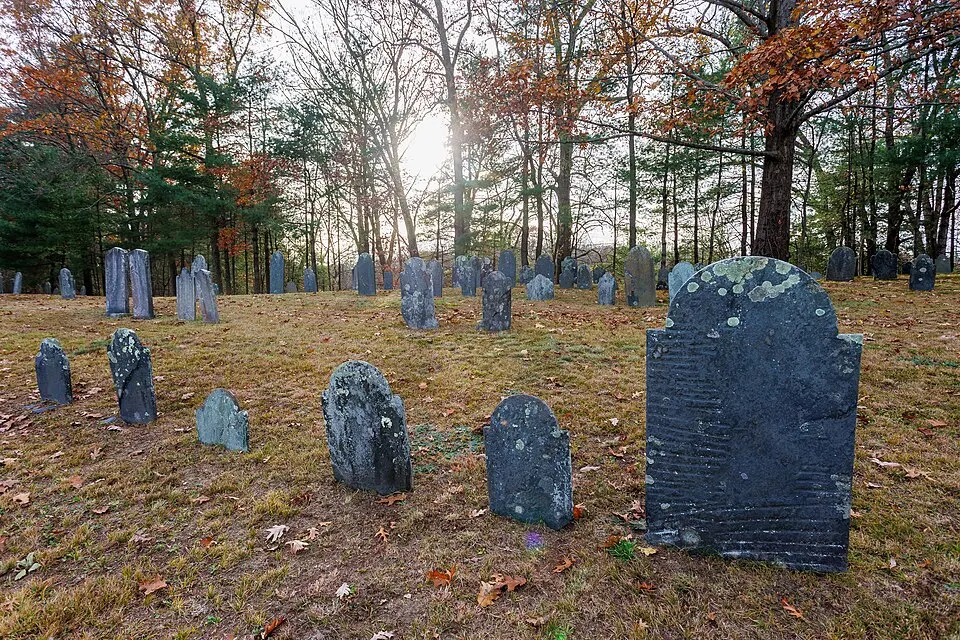
Illustrative stock photograph: Fr Grand Good wife and good mother gravestone Epitaph detail.jpg by Pethrus · CC BY-SA 4.0. Resized and converted to WebP. The photograph does not represent Marwaa’s work or a featured service location.
An empty headstone base does not by itself identify the missing tablet or prove why it is absent. Record the base in place and ask the cemetery about maintenance, removal and burial records before ordering a replacement. Do not insert a nearby fragment or assume a loose stone belongs in the opening because its dimensions look similar.
Is the base really missing its original tablet?
It may appear that way, but several histories are possible. A tablet may have been removed for authorised work, broken, replaced or lost. An old base may also survive after a different memorial arrangement was accepted. The visible object alone cannot settle the sequence.
Describe what can be seen: a stone base, an apparent setting slot, visible fixing remains or a blank top surface. Keep those observations separate from claims about theft or neglect. An accusation is not needed to ask the cemetery to investigate.
The Historic England monument guidance discusses different construction and fixing arrangements. It provides conservation context, not a visitor's method for testing or reusing an old base.
What should be checked before a replacement order?
Ask the office whether it has a record of authorised removal, work in progress or stored components. Then compare the confirmed grave reference with burial records and available historic photographs. A photograph should be tied to the same location, not just a person with the same surname.
Check whether the base itself carries text. Some monuments use inscriptions across several components, so the missing part may not contain all the identity information. A replacement that repeats or contradicts surviving wording can alter the meaning of the whole memorial.
| Evidence | What it may help establish | What it cannot establish alone |
|---|---|---|
| Cemetery work record | Whether removal was authorised | The present condition of every part |
| Historic photograph | Earlier appearance and relationship | Current structural suitability |
| Surviving inscription | Text on the remaining component | Complete burial history |
| Nearby loose fragment | Material found in the area | That it belongs to this base |
The NPS documentation course recommends recording context and fragments before intervention. That is particularly relevant when separated components could otherwise be paired incorrectly.
Why not try a nearby stone in the slot?
Physical fit is not proof of identity or compatibility. Several stones may share similar dimensions or material. Putting a tablet into a base can also involve heavy, unstable parts and hidden fixings that need professional assessment.
Do not clear the slot with tools, pull out fixing remnants or test the base by rocking it. Those actions can damage evidence and create a safety problem. A visitor should report the condition and keep clear of loose or unsupported material.
The article on loose gravestone fragments explains how to report separated material without losing its context. An empty base adds the question of whether a missing component is already accounted for elsewhere.
Can the old base support a new tablet?
That requires an on-site professional assessment and the cemetery's accepted installation approach. Age, appearance and matching colour are not enough to show that the base, foundation or fixings are suitable for a proposed new stone.
A dealer needs to distinguish conservation of the old assembly from manufacture of a new memorial. Reusing an old base may be inappropriate even when the family wishes to preserve it. Conversely, replacing everything may discard useful historic fabric without sufficient reason.
The Texas Historical Commission's guidance encourages considering the cemetery's features together and seeking suitable expertise. It does not reduce a historic assembly to interchangeable components.
What if the original text cannot be recovered?
Do not invent an epitaph, dates or decorative details to make a replacement appear complete. A new memorial can use verified information without claiming to reproduce a lost original. Its record should explain what was known and what was newly chosen.
If an old photograph is unclear, keep uncertain lettering out of the approved text until it is resolved. A dealer should receive a clean, verified inscription rather than a request to guess from a compressed image. The historic replacement guide addresses the wider choice between conservation and replacement.
When should manufacture begin?
Begin after the cemetery confirms the location and authorised scope, the professional assesses the existing assembly, and the family approves the verified text. The drawing should show whether the order is a complete new monument or a component for an assessed installation.
Marwaa's products support trade supply of new stone. A factory cannot certify an old base's condition from a photograph or establish which missing tablet belonged there. Those questions need resolution locally before the new component is specified.
Key Takeaways
- An empty base does not explain why a tablet is absent.
- Do not test-fit loose fragments or disturb old fixings.
- Separate verified replacement information from guesses about the original monument.
Frequently Asked Questions
Can a nearby fragment be assumed to belong to the base?
No. Its location, material and dimensions are evidence to investigate, not proof of a match.
Can a new tablet use the old base?
Only after the cemetery and qualified local professional confirm the proposed assembly is suitable and authorised.
Should missing wording be recreated from memory?
Use verified text and distinguish a new inscription from an exact reproduction. Do not present uncertain details as original facts.
For the next part of this decision, read Found a Loose Gravestone Fragment? Report It.
Read More
A Note on This Guide
This guide addresses evidence and project scope, not lifting, resetting or structural design. The cemetery and qualified conservation or installation professionals must assess the actual base and proposed work.
Published by Marwaa Team for Marwaa Memorials (marwaamemorials.com) · Published 2026-11-25 · Updated 2026-11-25 Marwaa Memorials is a factory-direct exporter of bulk granite monuments and headstones, shipping to monument dealers, funeral homes, and importers across North America.
Related guides

Headstone Bases Explained: Sizes, Finishes and Second Bases
Replacing a Headstone: What to Record Before Removal
Replacing an Old Headstone: When, Why and How to Do It
Parts of a Headstone Explained: Die, Base, Foundation and More

How Is a Headstone Attached to Its Base?