Returning a Monument Across a Border: Plan the Route
Plan an international monument return by separating the accepted remedy, export and import questions, receiving agreement and identity evidence.
By Marwaa Team · Editorial standards · Published

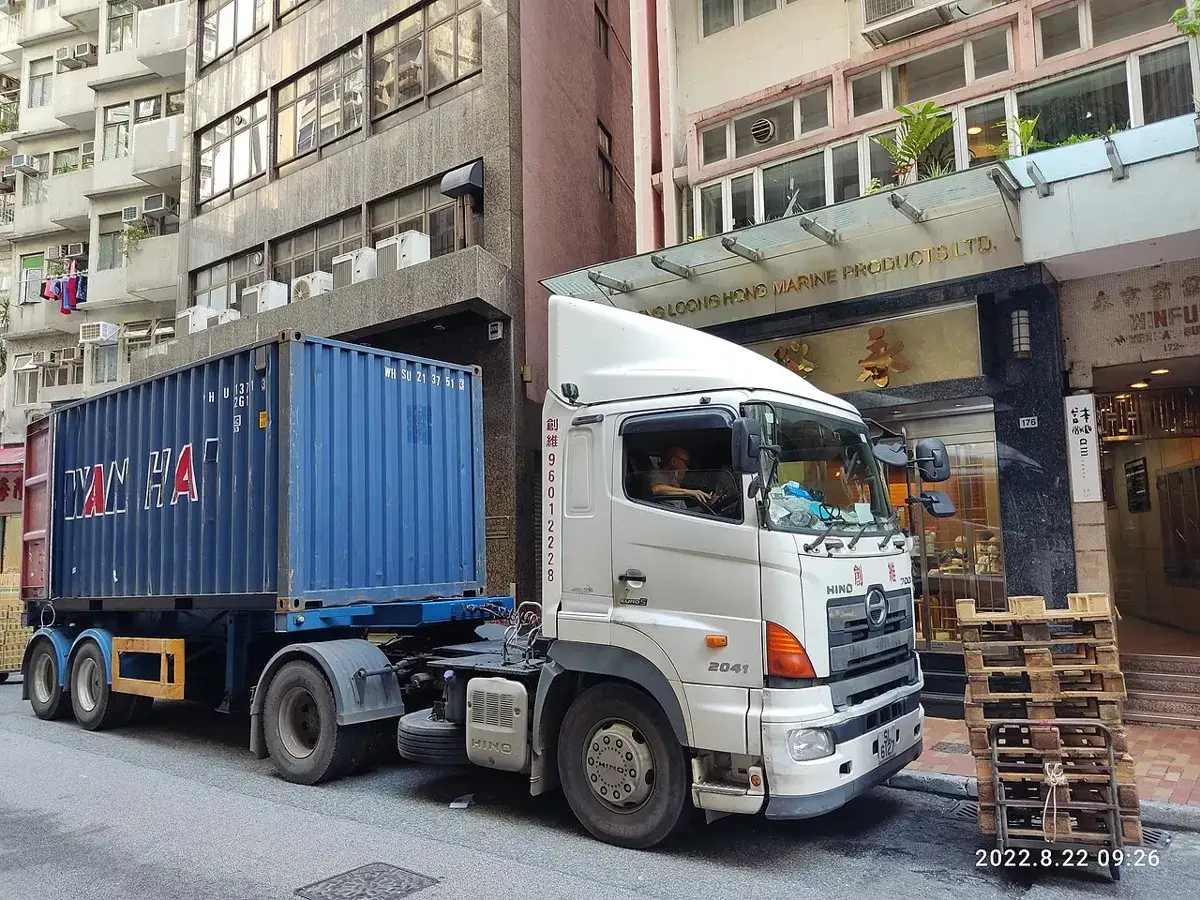
Illustrative stock photograph: Heavy-container-truck-ghana.jpg by Fquasie · CC BY-SA 4.0. Resized and converted to WebP. The photograph does not represent Marwaa’s work or a featured service location.
An international monument return is a new cross-border movement, not simply the original delivery in reverse. Confirm the accepted commercial remedy, who receives the goods and which customs and transport arrangements apply before booking. A supplier's willingness to discuss a return does not by itself authorize shipment or establish duty relief, freight payment or a refund.
What outcome has actually been agreed?
Start with the remedy: return for assessment, repair, replacement, credit or another accepted purpose. Record the exact goods and condition involved. An enquiry about a problem is not the same as authorization to send a heavy monument to a supplier's premises.
Ask the supplier which location and contact can accept the proposed movement. An address printed on an old invoice may not be the agreed return receiver. Keep the receiving acknowledgment with the commercial approval.
Why must the customs question be reopened?
The return may involve an export from one country and an import into another, each with its own applicable requirements. The goods' origin, earlier movement, work performed and purpose can matter. Do not assume the earlier importer's paperwork automatically covers the return.
CBP's returned-goods guidance illustrates that returned-goods treatment depends on conditions and evidence. It is not a universal exemption for every memorial return. Ask the responsible professionals in the actual countries to identify the applicable process.
Which issues need separate agreement?
| Issue | Confirmation needed |
|---|---|
| Remedy | Accepted purpose and decision authority |
| Receiver | Authorized return location and contact |
| Goods identity | Component, order and earlier shipment references |
| Condition | Actual current state and work history |
| Transport | Accepted service, packing and professional receiving arrangement |
| Customs | Current export and import requirements for the movement |
| Commercial result | Freight payment, assessment charges, credit or refund terms |
Keep these decisions distinct. A transport booking cannot create a refund promise that the commercial parties never accepted.
What evidence connects the goods with their history?
Retain the original invoice, relevant transport references, component identity and prior receipt records. Describe any later engraving, alteration or other work accurately. A professional assessing returned-goods treatment needs the true history, not a simplified statement that the item is unchanged if it is not.
Keep the present condition record separate from a conclusion about why it changed. If the return concerns damage, preserve the relevant evidence and ask what assessment is needed before movement. Do not alter the goods merely to make the return package easier without authorization and professional advice.
How should the shipment be described?
Ask the responsible document issuer and customs professional how to describe the actual goods and purpose. A return label does not justify an invented zero value or a vague description. Keep the new commercial or customs documents consistent with the agreed movement.
The International Trade Administration's invoice and packing-list guidance explain distinct general document roles. The actual transaction may require additional evidence that those general pages do not list.
Who should arrange packing and receiving?
Use qualified parties to assess the actual stone and package. The original crate may have changed condition, and its availability does not automatically establish suitability for another international journey. Do not improvise lifting, repacking or loading from a written guide.
Confirm the destination's receiving process and appointment before dispatch. If the supplier asks for photographs first, provide those through the agreed process rather than shipping unannounced to demonstrate the problem physically.
What closes the return process?
Retain receipt confirmation and the agreed assessment or commercial outcome. A carrier's proof of delivery confirms a transport event, not necessarily acceptance of a refund or defect claim. Track any further action against the accepted remedy.
Use Marwaa's FAQ to begin the service enquiry. The warranty evidence guide can help organize the original issue. A useful return plan leaves no doubt about what is moving, why it is moving and what decisions remain after arrival.
What does a useful remedy confirmation avoid?
It should not use “return accepted” to mean both permission to receive the goods and agreement to refund their price. Ask which decision the message confirms and which later assessment remains. Keeping those meanings separate helps the dealer communicate accurately with the customer and prevents a transport expense from being authorized on an assumed commercial promise.
Key Takeaways
- An international return needs a new accepted transport and customs arrangement.
- Return discussion, shipment authorization and refund approval are different decisions.
- Describe the actual goods and any later work honestly when seeking customs review.
Frequently Asked Questions
Can I send the stone back as soon as I report a problem?
Obtain the supplier’s actual return authorization and receiving arrangement before booking.
Are returned monuments always duty-free?
No general guide can establish that. Ask about the actual countries, goods history and current conditions.
Does proof of return delivery guarantee a refund?
No. The accepted commercial remedy and any required assessment determine the next step.
For a bulk monument programme, request a trade quotation with the product requirements and the route questions raised in this guide.
Read More
- Headstone Warranty Claim: Build a Useful Evidence Folder
- Concealed Monument Freight Damage: Build the Evidence File
- Granite Monument Invoices: Describe the Goods Clearly
A Note on This Guide
This guide identifies planning questions, not entitlement to return goods, customs relief, a refund or claim recovery. Obtain the actual commercial approvals and qualified cross-border advice.
Published by Marwaa Team for Marwaa Memorials (marwaamemorials.com) · Published 2026-11-23 · Updated 2026-11-23 Marwaa Memorials is a factory-direct exporter of bulk granite monuments and headstones, shipping to monument dealers, funeral homes, and importers across North America.
Related guides

Wholesale Monument Returns: Build an Enquiry Record

Choose a Monument Import Port by the Whole Route

Monument Inland Freight: Rail or All-Truck Route?
Monument Imports for Several Dealer Destinations
Wood Crates for Monument Exports: Keep the Right Records