A Life Timeline on a Memorial: Choose the Milestones
Birth and death dates establish a lifespan. A timeline adds another layer: places, work, relationships or events within it. The strongest design begins with why those milestones belong together, rather than with how many small labels can fit.
By Marwaa Team · Editorial standards · Published
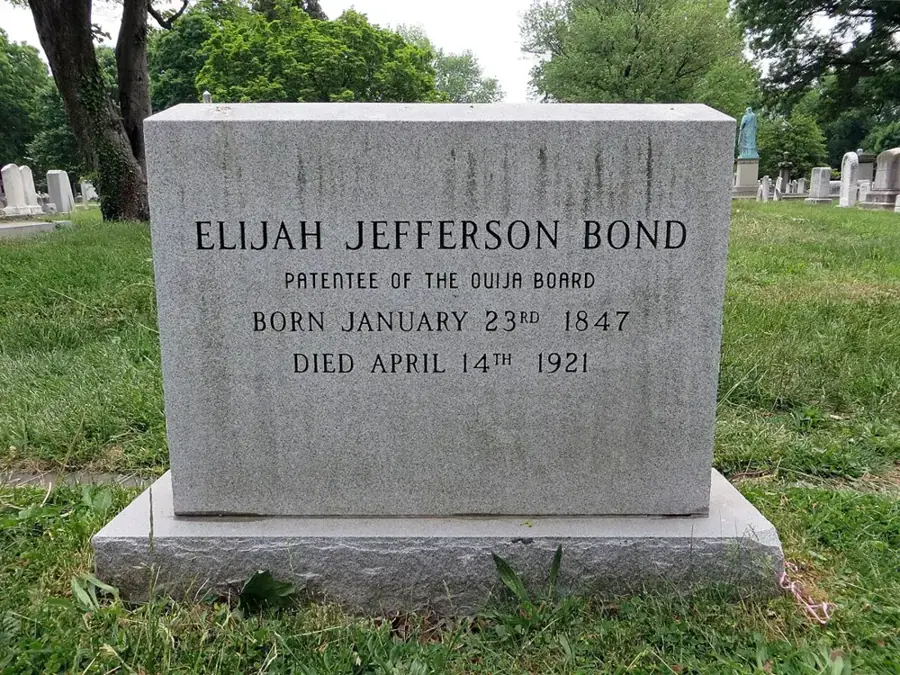
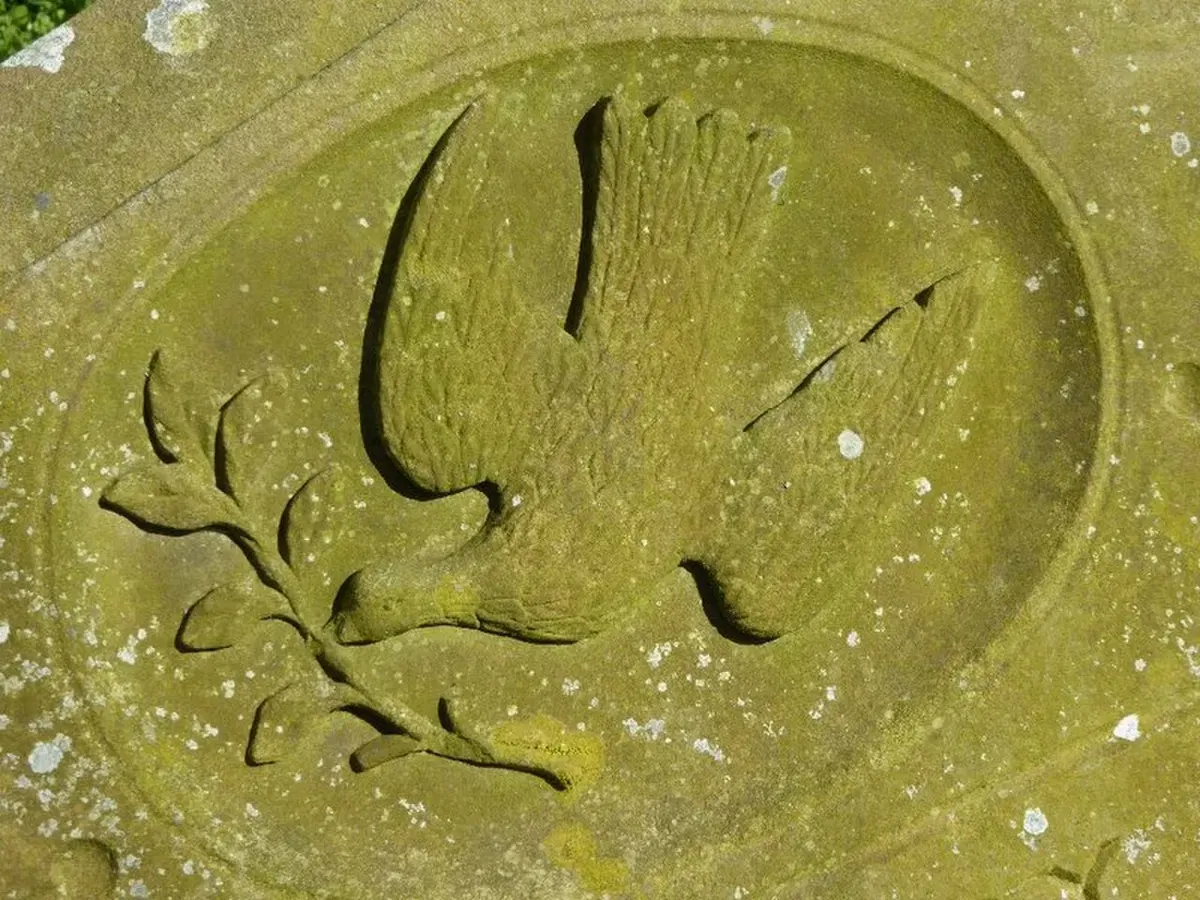
Illustrative stock photograph: Elijah Jefferson Bond Gravestone Front Detail.jpg by Something Original · CC BY-SA 3.0. Resized and converted to WebP. The photograph does not represent Marwaa’s work or a featured service location.
A life timeline memorial should select a few verified milestones that explain the person's story without crowding the name and essential dedication. Choose what each date means, how uncertain periods are shown and whether the sequence must be literal or thematic. A timeline is an edited account, not a complete biography. It should not turn every family memory into a precise historical claim.
Birth and death dates establish a lifespan. A timeline adds another layer: places, work, relationships or events within it. The strongest design begins with why those milestones belong together, rather than with how many small labels can fit.
What story should the sequence tell?
Choose a purpose before collecting dates. A timeline might trace a shared journey, years of service or a small number of personal turning points. Combining every kind of achievement can make the result feel like a compressed résumé rather than a memorial.
Ask what a visitor should understand after reading it. If the answer requires a long explanation, reduce the sequence. A few meaningful events can leave room for the name and a quiet dedication. Other memories can remain in a family history, programme or digital archive.
How precise is each milestone?
Separate a known day from an approximate year or a period remembered by the family. Do not invent precision to make the diagram look consistent. A range or undated phrase may be more honest than a guessed date.
Check what the label actually claims. Moving to a town, starting a job and opening a business may have different dates even when relatives recall them as one event. Keep source notes off the stone if necessary, but agree the fact before treating the graphic as finished. Layout cannot resolve conflicting records.
Must the line be chronologically scaled?
A line can show order without spacing events in exact proportion to elapsed time. If the family expects a measured scale, the designer needs to know. Otherwise visitors may read a long gap as a long period even when it was only space needed for a label.
Compare an equal-spacing sequence with a simpler list of milestones. Neither is automatically better. Choose the one that communicates the intended claim. Avoid a data-like appearance that suggests a mathematical scale the artwork does not actually use.
Which dates belong with the main inscription?
Keep birth and death information readable in its own right. A visitor should not have to search a busy timeline to identify the person. A shared milestone in a companion memorial may also need to be distinguished from each person's individual events.
The date-format guide covers ordinary inscription conventions. The timeline decision is about selection and chronology. Use matching date styles where helpful, but do not force every milestone into a full day-month-year format when the evidence only supports a year.
What needs to stay outside the permanent design?
Keep a fuller account in an accessible family record. Sensitive events, disputes and details concerning living people may not belong on a public monument. An omission from the timeline does not need to be interpreted as a denial that an event mattered.
The Design Studio can support discussion of the inscription arrangement. Its preview is not a historical verification service. For dealers, make the family-approved milestone text distinct from working notes so a source explanation or question does not accidentally become part of the production artwork.
Compare the practical choices
| Choice | Question to settle |
|---|---|
| Chronological list | Are order and labels clear without a scaled axis? |
| Scaled timeline | Does spacing really represent elapsed time? |
| Approximate period | Is uncertainty visible rather than silently converted to a date? |
| Extended biography | Would a separate record serve this detail better? |
A decision in practice
A family lists a move, a marriage and a business opening in a short memorial timeline. It knows two exact dates but only an approximate year for the move. A first draft gives every event a precise day to create a uniform style.
The family removes the invented day and chooses a year-only sequence. It also changes the heading so visitors understand the line is a selection of milestones rather than a complete biography. The essential name and lifespan remain separate and easy to find.
Key Takeaways
- A life timeline is a selected story rather than a complete biography.
- Date precision should match the evidence for each event.
- A sequence should not look mathematically scaled unless its spacing really is.
Frequently Asked Questions
Must all milestones use exact dates?
No. Match the wording to the evidence instead of inventing precision.
Can events be evenly spaced?
Yes, if the design is understood as a sequence rather than a measured time scale.
Should the timeline replace the main name and lifespan?
Keep essential identity information easy to read independently of the extra story.
Next step
Read How to Write Dates on a Headstone: Formats, Styles and Examples while shaping your discussion with the memorial professional. Families can use that discussion to identify a suitable local provider; dealers should confirm the actual supply scope before seeking a trade quotation.
Read More
- How to Write Dates on a Headstone: Formats, Styles and Examples
- What Information Goes on a Headstone? A Simple Checklist
Sources and context
A Note on This Guide
This guide concerns editorial selection and visual chronology. It does not verify historical records or settle disputed dates. Public information about living people, exact wording and individual cemetery acceptance should be checked for the actual memorial.
Published by Marwaa Team for Marwaa Memorials (marwaamemorials.com) · Published 2026-11-25 · Updated 2026-11-25 Marwaa Memorials is a factory-direct exporter of bulk granite monuments and headstones, shipping to monument dealers, funeral homes, and importers across North America.
Related guides
Headstone Order Updates: Track Confirmed Milestones

How Many Words Fit on a Headstone? Letter Sizes and Line Counts

Monument Trade Payment Milestones: Match the Evidence
Tree of Life on a Headstone: Meaning and Ideas
Handprint Memorials: Life-Size, Relief or Outline?