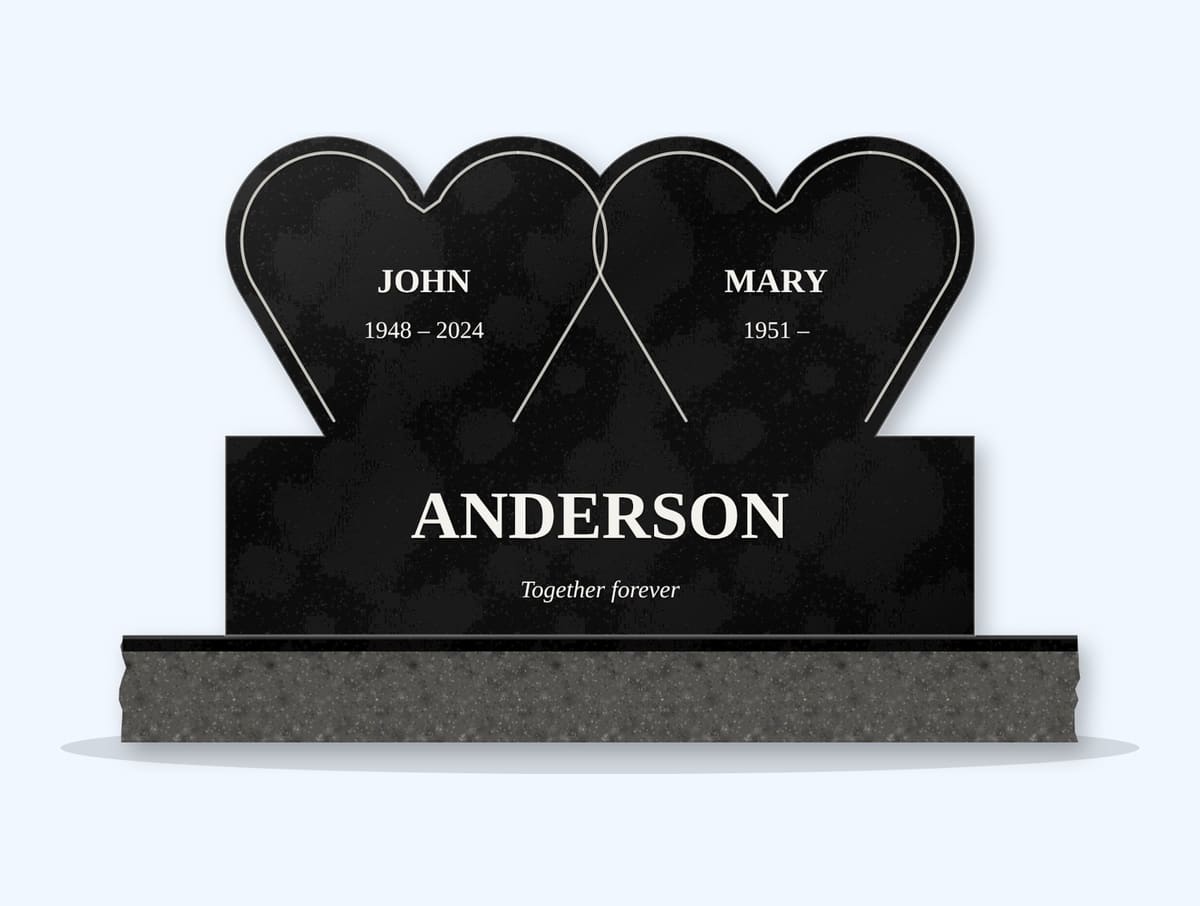
Headstone Wording When Dates Are Unknown
How to word a headstone when a birth or death date is unknown or uncertain — circa, years only, "Born in" and other honest options.

Ancestors, unmarked graves and family history projects often have missing dates. There are honest, dignified ways to handle it.
Use "circa" or "c."
"c. 1872 – 1931" signals an approximate year. See headstone abbreviations.
Years only
If the year is known but not the day, use years only. See date format guide.
Other honest options
"Born in Cork, Ireland", "Died 1918" alone, or "Date unknown". Some families omit dates entirely.
Marking unmarked graves
Cemetery records may hold dates; see how to mark an unmarked grave.
Researching missing dates
Before settling on "circa", try:
- Death registration records from the province or state.
- Church baptism and burial registers.
- Census records — ages give approximate birth years.
- Immigration and ship records.
- Old family Bibles, letters and photos with dates.
Genealogy societies and libraries can help. If dates remain uncertain, "c." is honest and dignified.
Key Takeaways
- "c." signals an approximate date.
- Years-only is common.
- Check cemetery records first.
Next Step
When you're ready, request a quote or plan the layout in the Design Studio.
Frequently Asked Questions
How do you write an approximate date on a headstone?
Use "c." or "circa", e.g. "c. 1872".
Can a headstone have no dates?
Yes, dates are optional.
Where can I find missing dates?
Cemetery records, parish registers and death certificates.
Where can I find missing dates for an ancestor?
Death registrations, church registers, census records, immigration records and family papers.
Ready to get pricing for your granite monument?
Request pricing, factory specifications, and DAP delivery timelines from our team.
Related guides
How to Write Dates on a Headstone
Roman Numerals on Headstones
Husband and Wife Headstone Wording
Custom Headstone Engraving Guide

Headstone Wording for Mom and Dad on One Stone