
Granite Edge Profiles: Write a Measurable Specification
Specify granite edge profiles with labelled sections, endpoint details and inspection references before approving a memorial production drawing.
By Marwaa Team · Editorial standards · Published · Updated

Illustrative stock photograph: Stonemason shaping a stone block at Guédelon, 31 October 2026.jpg by IanVG · CC0. Hosted by Wikimedia Commons. The photograph does not represent Marwaa’s work or a featured service location.
A granite edge profile specification describes the edge shape, its location and its transition into adjacent surfaces. Use a dimensioned section and an agreed visual reference, not a name alone. For a memorial order, the fabricator should confirm what can be produced and measured before the buyer accepts a final profile.
What does a granite edge profile specification need?
An edge instruction needs a location, a shape and a reference for acceptance. A small bevel on one edge is not the same instruction as a rounded profile around the whole part. Name where the treatment starts, where it ends and whether corners continue the same form.
Show the profile in section. An elevation may make the edge look simple while hiding a curve or setback. Ask the drawing author to label sizes and the viewpoint so the inspector can connect the detail to the finished stone.
Avoid prescribing a radius because it appears common in a photograph. The actual stone shape and intended assembly matter. A buyer can explain the desired appearance, while the fabricator and responsible designer confirm the manufacturable detail.
How do names and drawings work together?
Trade names help start a conversation, but the section drawing resolves the order. Ask whether “bevel,” “chamfer” or “round” describes the supplier's intended shape accurately. Keep the supplier's terminology beside the drawing rather than inventing a translation later.
For decorative memorials, the eye may care about the profile's visual weight as much as its nominal size. A full-size outline or sample sample can help the buyer understand that effect. State which aspects of a sample are accepted: shape, polish, corner treatment or all of them.
| Instruction type | Useful evidence | What remains to confirm |
|---|---|---|
| Profile name | Written supplier description | Exact section |
| Section drawing | Labelled sizes | Production capability |
| Sample edge | Physical appearance reference | Which order surfaces it covers |
| Check record | Observations at named locations | Compliance with agreed limits |
This table compares kinds of evidence. It does not assign universal edge sizes or tolerances.
A chamfer creates a flat bevel while a radius creates a curve; an eased-edge label should be backed by the actual shape. See Granite Chamfers and Radiused Edges: How They Differ.
Which endpoints are easily overlooked?
The endpoint where a decorative edge meets another finish needs deliberate review. A rounded top edge may stop before a carved feature. A bevel may return around an outside corner but not continue along a concealed joint. Show these conditions rather than assuming the workshop will make the same aesthetic choice as the buyer.
Consider paired parts together. If two visible edges sit next to one another, a difference may be obvious even when each piece follows a separate loose description. Ask whether the relevant edges need a common profile reference or intentionally different treatments.
For a complex outline, name the priority features. The outer silhouette, corner transitions and finish boundary may each need their own view. A single close-up cannot show the consistency of an entire perimeter.
How should an edge be inspected?
Check should follow the agreed profile and named locations. Ask the inspector to distinguish a measurement from a visual judgment. A size result needs a method and reference; appearance needs suitable images or a kept sample.
Do not rely on a ruler photographed at an angle to judge a small profile. Perspective and the position of the scale can mislead. If a size controls acceptance, have the inspector describe how it was checked and any limitation of the record.
The granite quality guide offers the broad context. This edge spec adds the detail needed when an order has a specific profile or several matching elements.
What if the edge differs from the drawing?
Describe the observed difference before proposing a remedy. The question could concern the wrong profile, a finish transition, a visible chip or an unclear size. Each needs a different review; a general instruction to “make it smoother” does not resolve them all.
Ask the fabricator whether correction would change the overall shape, lettering clearance or another approved feature. Do not authorize grinding from photographs alone. Record the accepted action and the points that need repeat check afterward.
If the buyer accepts a visible difference, name that specific piece and feature. A concession should not quietly become the default for later orders. Update a standard detail only when the buyer deliberately changes the spec.
How do you keep the profile reusable?
Store the final section, accepted sample ID and part marks together. Give the detail its own revision identity so it can be cited in a repeat trade order without forwarding an ambiguous image chain.
The manufacturing overview shows where shaping fits into production. Use the product range to name the memorial form, then let the approved edge detail carry the actual production spec. That keeps future discussions focused on the same shape.
Key Takeaways
- A granite edge name should be backed by a labelled section drawing.
- Profile endpoints and corners need explicit treatment on complex memorials.
- Any edge correction should trigger review of affected shape and finish.
Frequently Asked Questions
Is an edge-profile name enough to place an order?
It is a starting description. Use a supplier-confirmed section and name the part edges it applies to.
Can a photograph establish the edge radius?
A photograph can show appearance but may not support a reliable size. Ask for a dimensioned detail.
Should an accepted variation apply to the next batch?
Only if the spec is deliberately revised. A piece-specific acceptance does not automatically change the standard.
For a dealer or importer order, request a bulk monument quotation with the relevant drawing and the acceptance points that still need agreement.
Read More
- Granite Finishes Explained
- How to Tell if a Granite Monument Is High Quality
- How Are Headstones Made?
A Note on This Guide
These are spec questions, not work instructions. The responsible designer and stone professional should confirm shape, handling and suitability for the actual memorial.
For stone-standard context, consult the Natural Stone Institute reference directory. For measurement terminology, see NIST metrological traceability guidance.
Published by Marwaa Team for Marwaa Memorials (marwaamemorials.com) · Published 2026-11-21 · Updated 2026-11-21 Marwaa Memorials is a factory-direct exporter of bulk granite monuments and headstones, shipping to monument dealers, funeral homes, and importers across North America.
Related guides
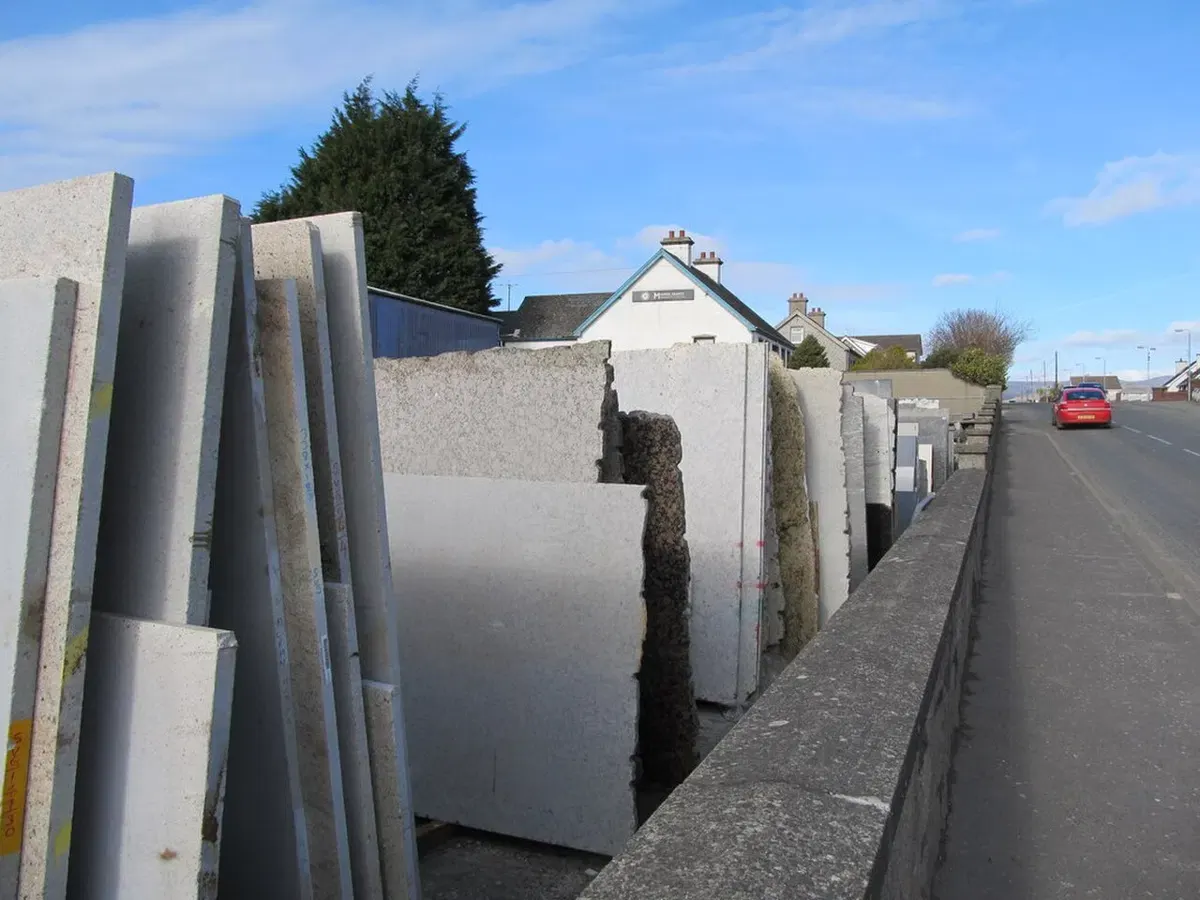
Granite Chamfers and Radiused Edges: How They Differ

Monument Finish Schedule: Specify Every Stone Face
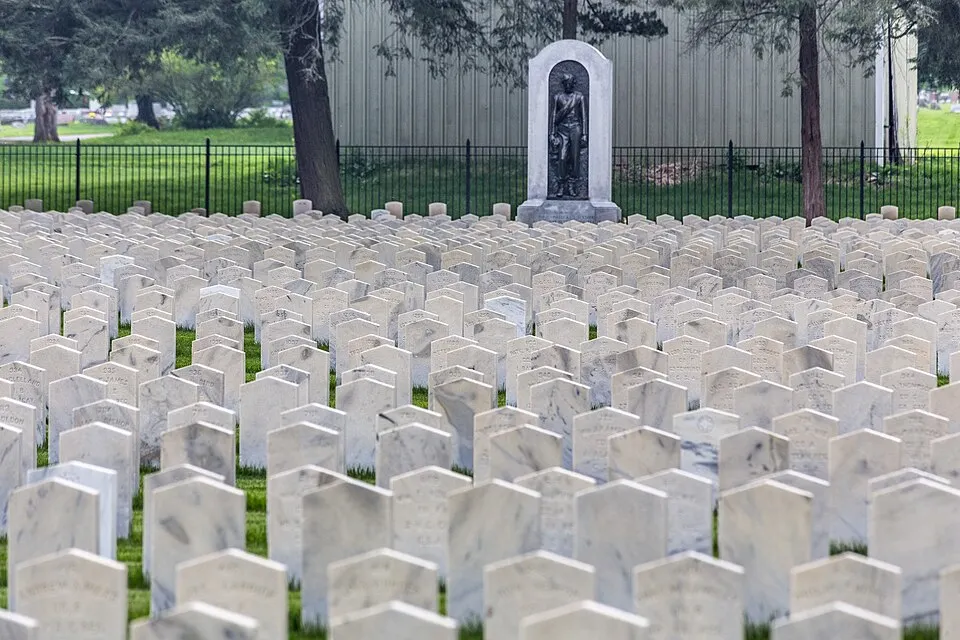
How to Edge Around a Flat Grave Marker
Memorial Accessory Holes: Check the Approved Drawing

Monument Dimensional Inspection: Set a Datum Record
