Bilingual and Multilingual Headstone Inscriptions: French, Punjabi, Arabic, Chinese and More
How to get a bilingual or non-English headstone inscription right: supplying text, right-to-left scripts, accents, layout, engraving methods and proofing.
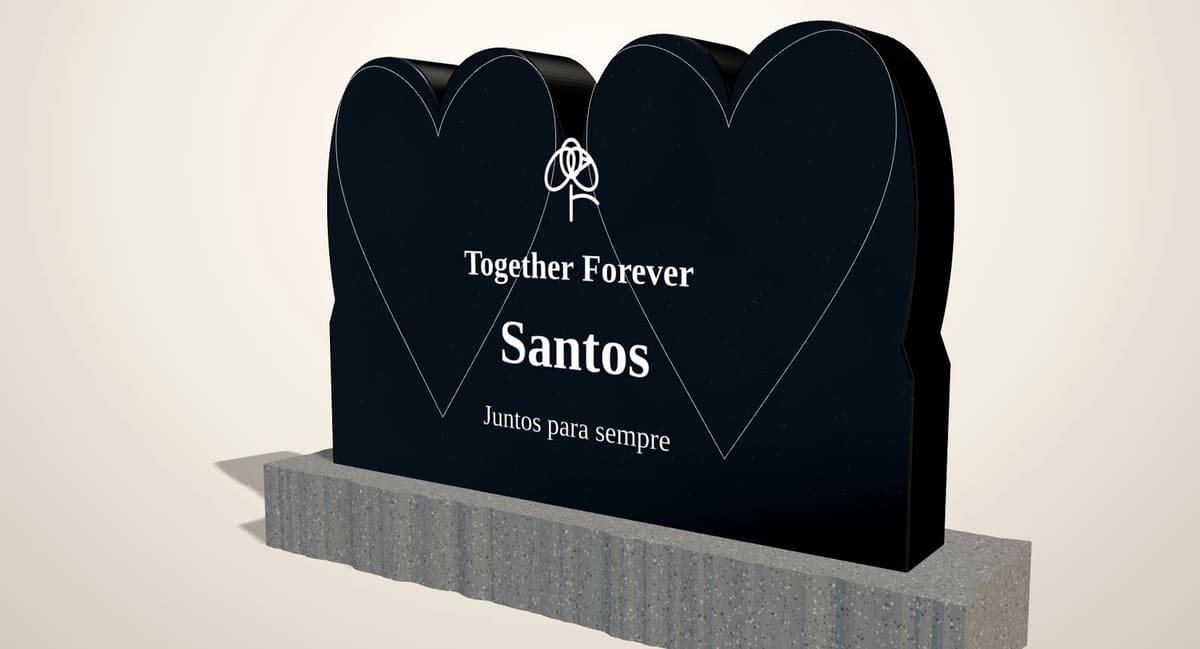
Across Canada and the USA, families often want a headstone in more than one language — English and French, or English alongside Punjabi, Urdu, Arabic, Hebrew, Chinese, Tamil, Italian, Polish or Portuguese. Done well, a bilingual inscription honours a person's whole story. Done carelessly, a single wrong character is carved in stone permanently.
Supply the text, don't retype it
The single most important step is to send the exact text as a digital file — a Word document, PDF or email typed in the original script — rather than a photo of handwriting or a transliteration. Ask a fluent family member or community leader to check it before you send it.
Script-specific considerations
| Script | What to watch |
|---|---|
| French, Polish, Portuguese | Accents and special letters (é, è, ç, ł, ã) must be kept; capitals keep accents too |
| Arabic, Urdu, Persian, Hebrew | Written right to left; letters join; check line breaks and ligatures |
| Punjabi (Gurmukhi), Hindi, Tamil | Vowel signs attach above and below letters — fine detail needs adequate size |
| Chinese, Japanese, Korean | Can be laid out horizontally or vertically; confirm traditional vs simplified characters |
Layout options
- Side by side — two columns, one per language; works well on wide uprights and companion stones.
- Stacked — one language above the other; common on narrower stones.
- Primary and secondary — names in both scripts, epitaph in one.
Make sure both languages are large enough to read; complex scripts need more height than Latin letters to stay legible after sandblasting.
Engraving method
- Sandblasting handles most scripts well at a reasonable size.
- Laser etching on black granite reproduces fine calligraphy and small characters precisely.
- Gold leaf or paint fill can add contrast for detailed scripts on lighter granite.
Our engraving and design guide and fonts guide cover the trade-offs.
Proofing
Review the full-size proof line by line with a fluent reader. Check spelling, dates, direction of text, accents and spacing. Approve only when everyone is satisfied — the proof is what gets engraved.
Key Takeaways
- Send inscription text as a digital file in the original script, checked by a fluent reader.
- Right-to-left scripts, accents and vowel signs need extra care.
- Choose a layout that keeps both languages legible.
- Laser etching suits fine calligraphy; always approve a full proof.
Next Step
Request a quote and attach your inscription file, or try layouts in the Design Studio.
Frequently Asked Questions
Can a headstone be engraved in two languages?
Yes. Bilingual layouts — side by side, stacked or with names in both scripts — are common on uprights and companion stones.
How should I send non-English inscription text?
Send it as a digital file typed in the original script, checked by a fluent reader. Avoid photos of handwriting or transliterations.
Can Arabic or Hebrew be engraved on granite?
Yes. Both are engraved regularly; because they are written right to left, check line breaks and letter joins carefully on the proof.
Which engraving method is best for detailed scripts?
Laser etching on polished black granite reproduces fine calligraphy best. Sandblasting works well for most scripts at a readable size.
Ready to get pricing for your granite monument?
Request pricing, factory specifications, and DAP delivery timelines from our team.
Related guides
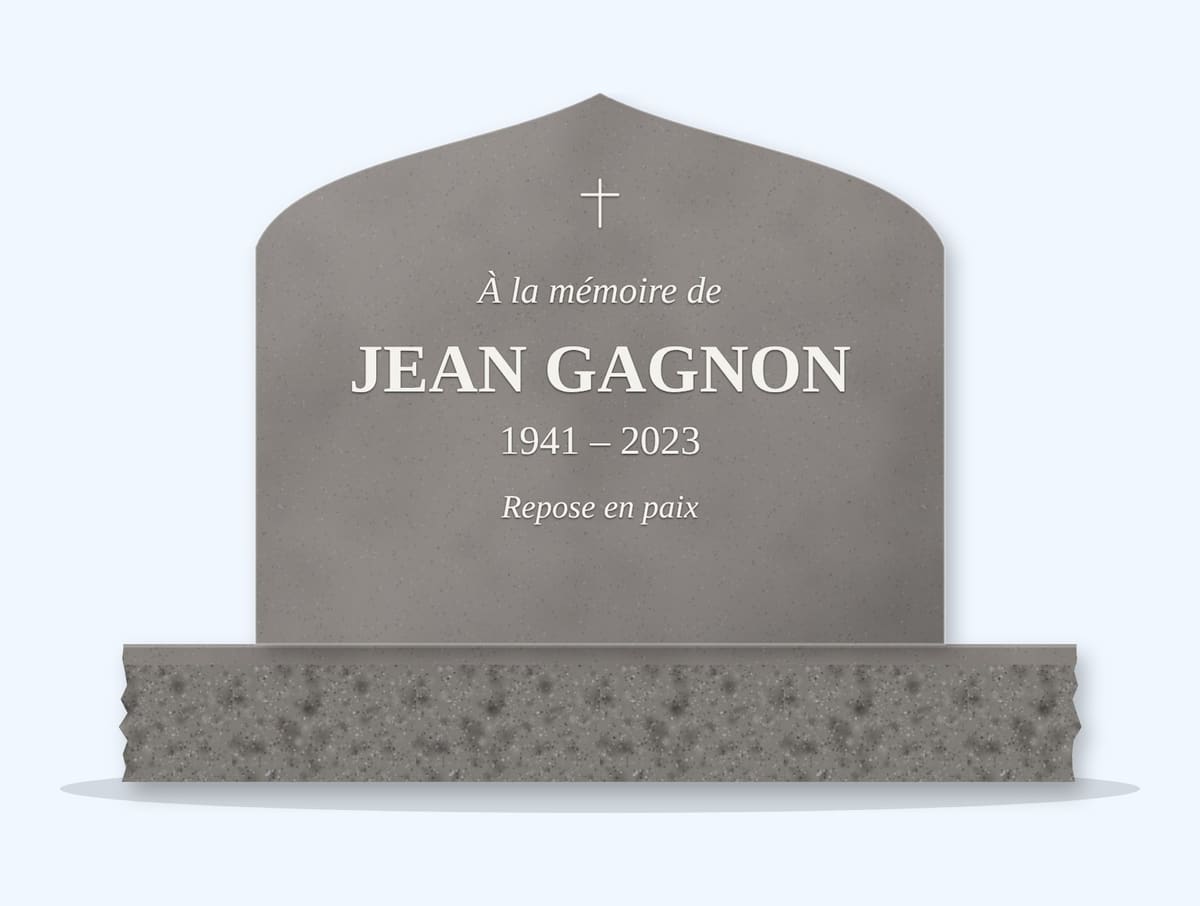
French Headstone Inscriptions for Quebec and French-Canadian Families
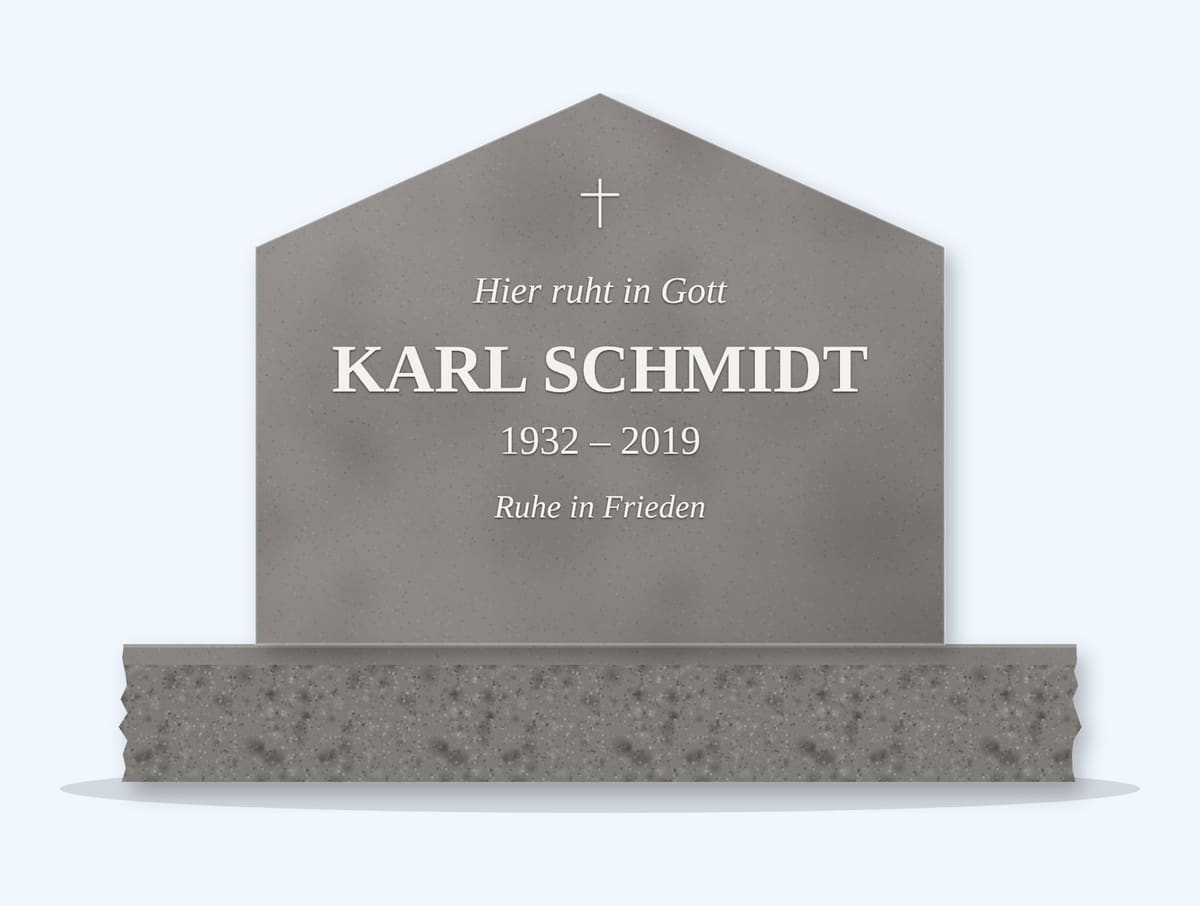
German Headstone Inscriptions
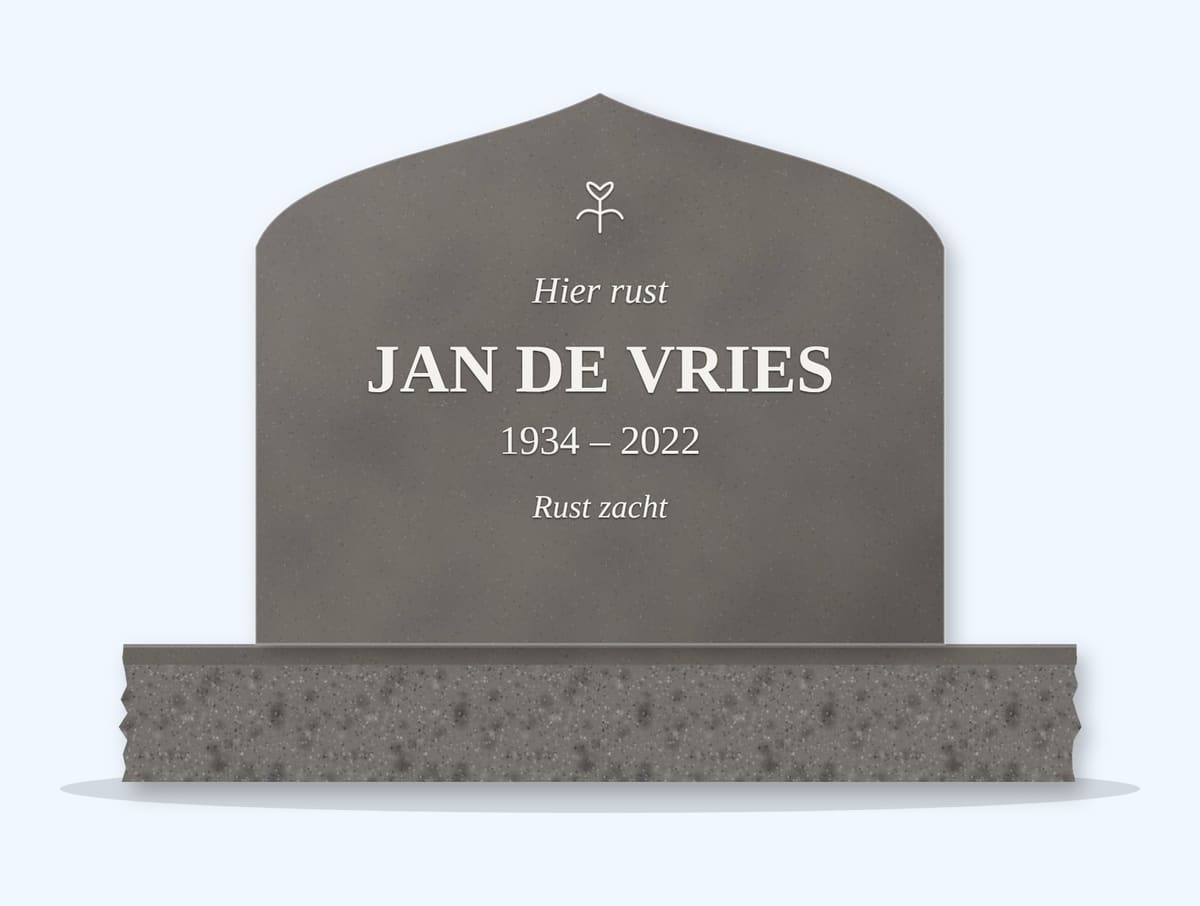
Dutch Headstone Inscriptions
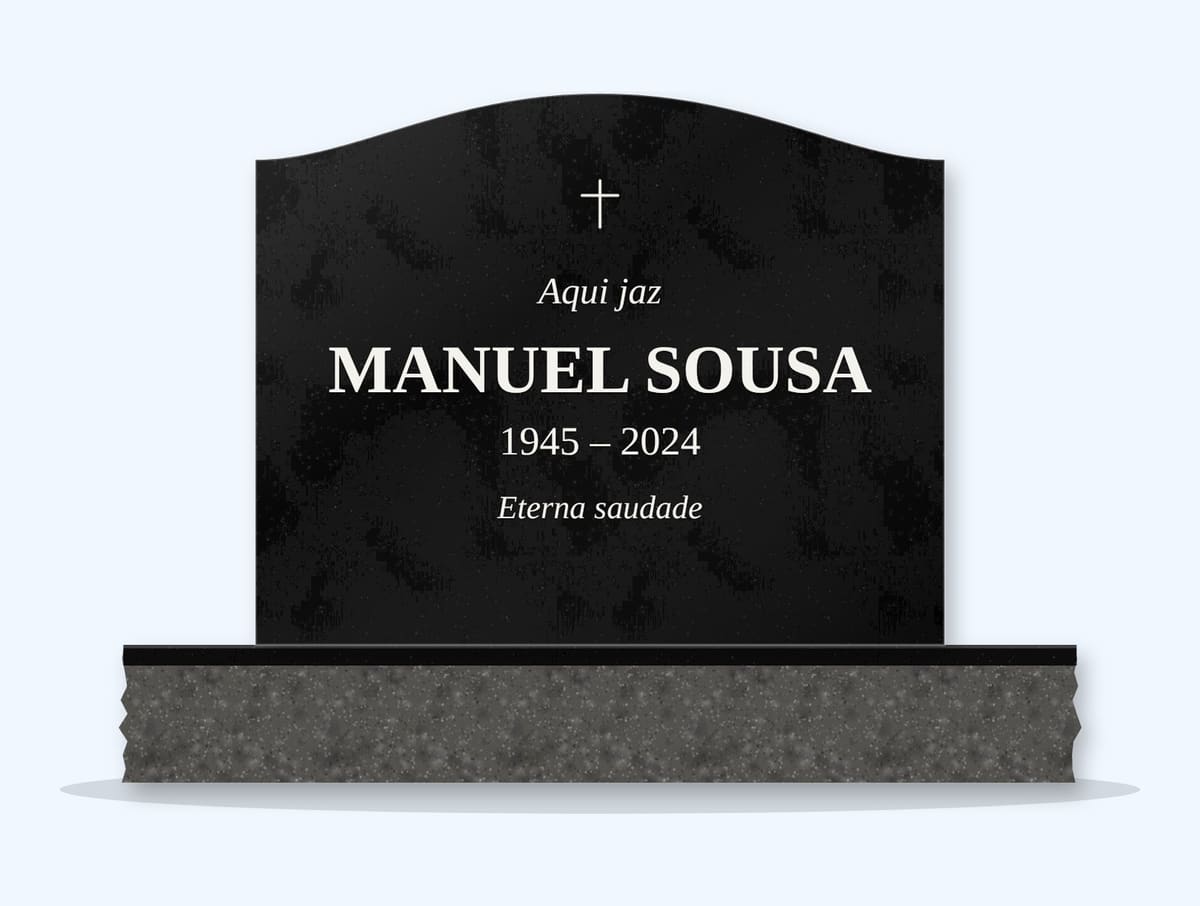
Portuguese Headstone Phrases
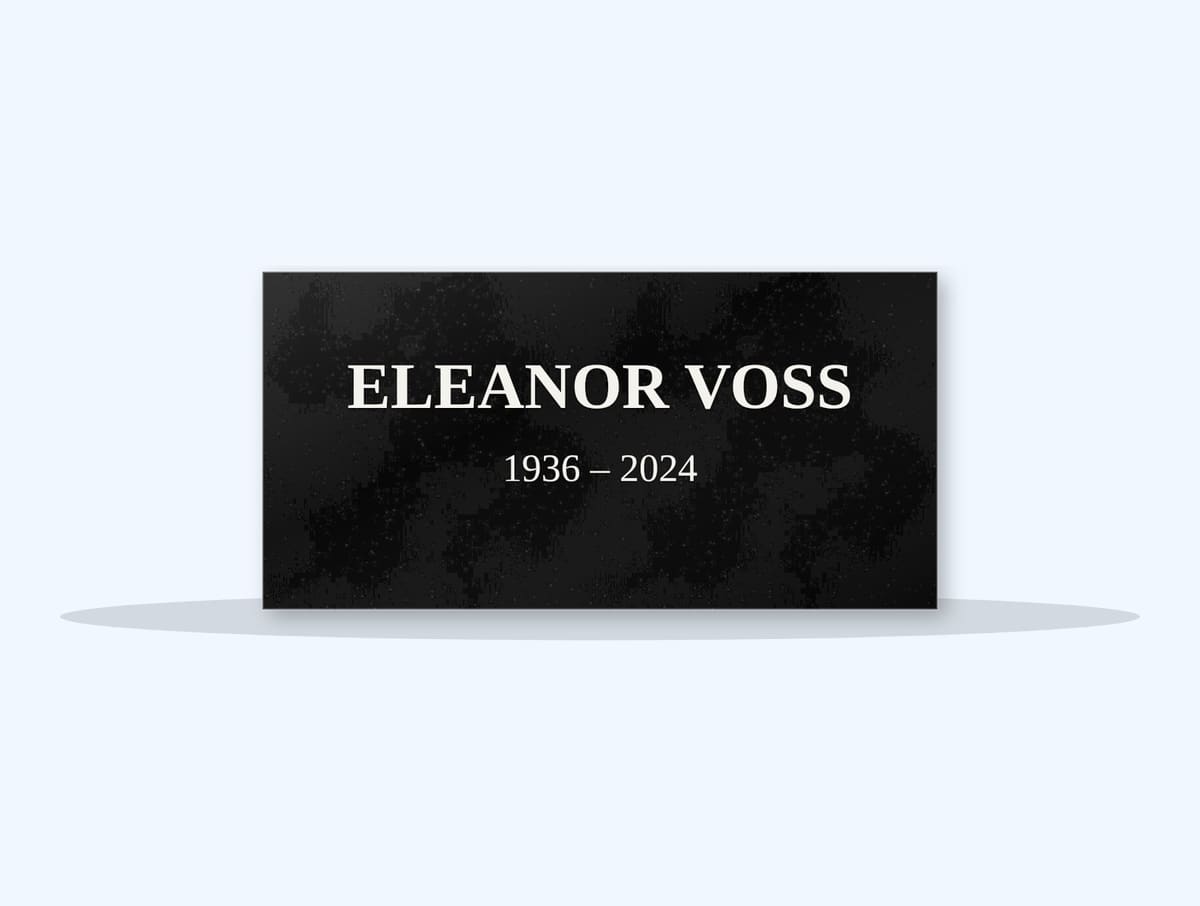
Mausoleum Crypt Front Inscriptions