Incomplete Monument Enquiries: Ask the Next Useful Question
Triage incomplete monument enquiries by asking for the next decision-changing detail instead of presenting every missing field as an obstacle.
By Marwaa Team · Editorial standards · Published · Updated

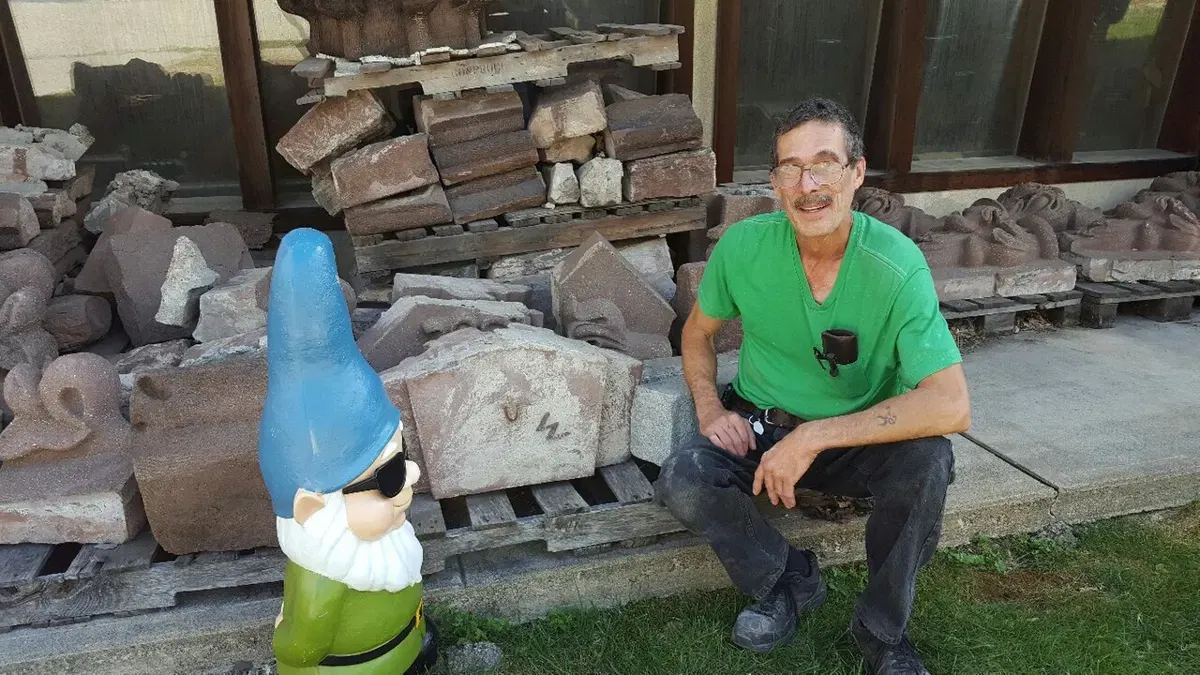
Illustrative stock photograph: Cutting the laterite stone using saw.JPG by Vaikoovery · CC BY 3.0. Resized and converted to WebP. The photograph does not represent Marwaa’s work or a featured service location.
Incomplete monument enquiries are normal at the start of a project. A family may know the wording but not the cemetery rules. A trade buyer may know the desired stock mix but still be checking a component dimension. Triage the enquiry by its purpose so the next question actually moves it forward.
What is the incomplete monument enquiry trying to achieve?
First distinguish an information request from a pricing request or a change to existing work. General guidance may need very little personal information. A provisional quote needs a clearer product and scope. An instruction affecting manufacture needs the current order reference and the appropriate approval route.
Record the stage in the enquiry file. Do not make staff infer it from a long message thread. The Marwaa quote page gives trade buyers a route for a defined requirement, while the catalogue can help clarify the product family before a detailed request exists.
Avoid using a rigid form to imply that people must have every answer before speaking to the business. A short conversation can identify the right source for an unknown without turning a guess into a confirmed specification.
Ask for the detail that changes the next decision
Choose the missing fact that controls the response. If the product type is unclear, ask about that before requesting a full inscription. If the cemetery section limits the options, ask for the correct location or the office's current requirements before discussing final dimensions.
| Enquiry stage | Useful next detail | What not to assume |
|---|---|---|
| General research | Main question or product family | A purchase is ready |
| Preliminary pricing | Proposed product and scope | Unknown fees are zero |
| Design discussion | Wording and confirmed limits | A sketch is approved |
| Existing order change | Order and current proof reference | Work has stopped |
| Trade stock enquiry | Product codes and quantities | Supplier allocation exists |
The table is a suggested triage tool, not a required customer questionnaire. Use plain questions and explain why a detail matters. People are more likely to supply useful information when they understand what it will resolve.
For a closer comparison of the choices involved, see the plain-language memorial consultation guide.
Label assumptions where they enter the record
If the team provides a provisional response, list the assumptions beside it. “Dimensions awaiting cemetery confirmation” is clearer than a confident number copied from a photograph. Give each unresolved point an owner or a source to contact.
Do not let a provisional field become confirmed simply because it appears in several documents. Repetition does not improve the evidence. Ask the person preparing a later quotation to review the original status of the information.
The project brief template separates confirmed facts, preferences and open questions. It is a useful follow-on once the enquiry is specific enough to organize, rather than a barrier to the first conversation.
Collect information in a proportionate way
An enquiry about a shape does not require a full set of identity documents. Ask for the minimum detail needed for the present task, then explain any additional requirement when the project reaches that stage.
The FTC guidance on business information supports keeping necessary data and limiting unnecessary collection. A dealer can apply that principle while maintaining the separate records its actual orders and obligations require.
Keep private attachments in the appropriate file rather than copying them into a shared triage spreadsheet. The team needs a clear next action, not broad access to every document the customer has supplied.
Test actual enquiry and project scenarios with the monument CRM selection guide.
Design the first-contact quote form around useful initial information rather than every later approval detail.
Define a chatbot human handoff before automated replies reach prices, permissions or approvals.
Build new staff competence through supervised tasks before expanding independent approval duties.
Close the loop on the missing information
Give the enquirer a short summary of what can be answered now and what depends on the missing fact. If another organization must reply, name that dependency. Do not set an invented deadline or imply that a delay means the person is not serious.
When the answer arrives, update the provisional response and tell the responsible colleague. A new dimension or changed scope may affect more than one line of a quotation. Use the missing-cost comparison guide when the uncertainty concerns included work.
A well-triaged enquiry ends with one understandable next step. It should not leave the person with a long checklist of unexplained demands or the supplier with a false impression that the order is ready for production.
Key Takeaways
- Classify the purpose of an incomplete monument enquiry before requesting more information.
- Ask first for the missing detail that controls the next useful response.
- Keep provisional assumptions visible until the responsible source confirms them.
Frequently Asked Questions
Must every field be complete before answering a general question?
No. Match the information request to the stage and explain what a missing detail controls.
Can a provisional dimension appear in a quote?
If used, its uncertainty must be explicit and the supplier should state what remains to be confirmed.
Does sending missing information approve manufacture?
No. Production authorization needs the actual order process and appropriate approval.
Next Step
For a trade enquiry that needs a supplier response, request a bulk monument quote with the relevant specification and open questions. The record in this guide helps describe the requirement; it does not place an order.
Read More
- Headstone Project Brief: A Worksheet Before You Request Quotes
- Headstone Quote Comparison: Find Missing Costs
- How to Choose a Granite Monument Supplier: A Dealer’s 12-Point Checklist
A Note on This Guide
This is a suggested enquiry workflow. Actual cemetery information, contract terms and production approvals still need confirmation from the relevant parties.
Published by Marwaa Team for Marwaa Memorials (marwaamemorials.com) · Published 2026-11-21 · Updated 2026-11-21 Marwaa Memorials is a factory-direct exporter of bulk granite monuments and headstones, shipping to monument dealers, funeral homes, and importers across North America.
Related guides
Monument Quote Forms: Ask Enough Without Asking Everything

Duplicate Memorial Enquiries: Merge Without Losing Context

Wholesale Monument Returns: Build an Enquiry Record
Monument Enquiry Spam: Reduce Abuse Without Blocking Families

Questions to Ask at a Monument Showroom