Monument Origin vs Shipping Country: Know the Difference
Distinguish monument country of origin from the shipping country, supplier address and trade name before asking for customs review.
By Marwaa Team · Published
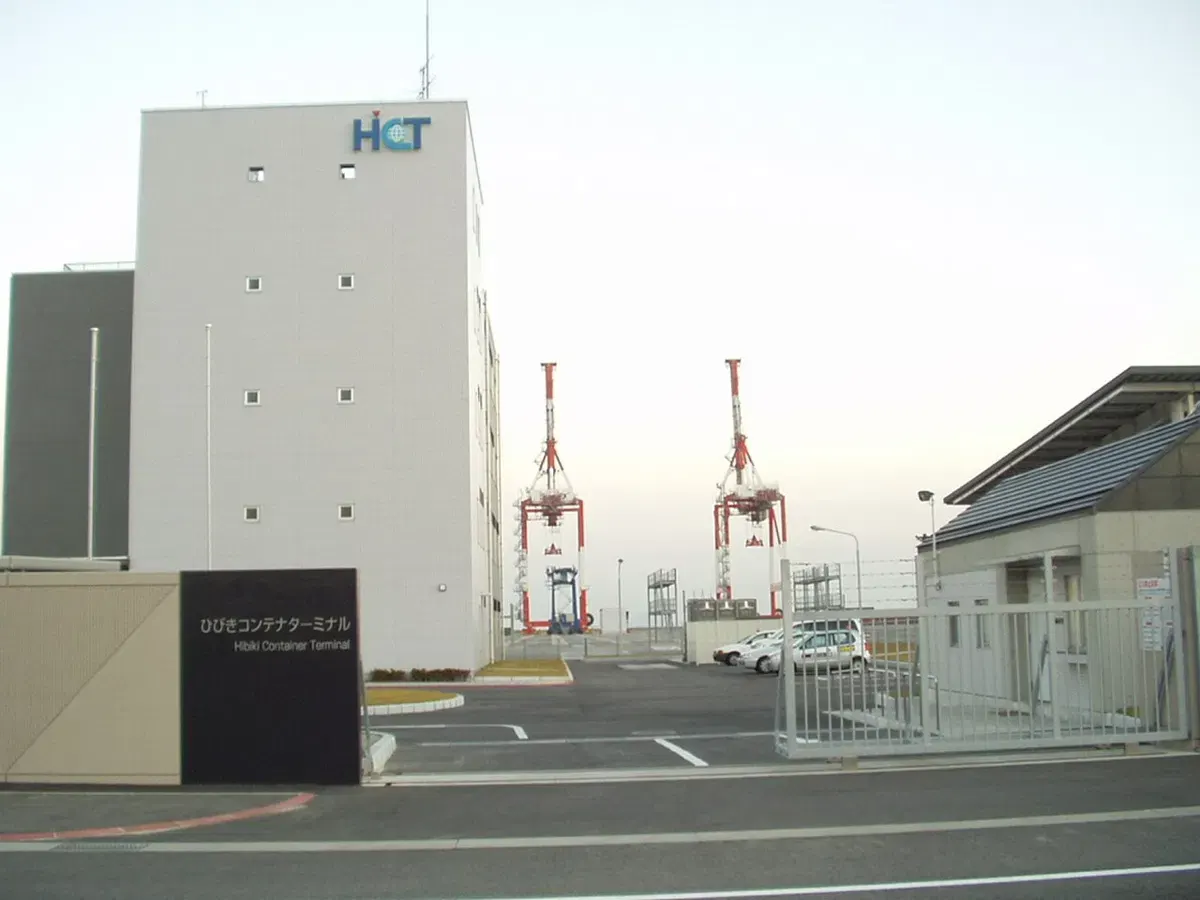
Illustrative stock photograph: Container terminal = 福岡/ひびきCT【 Pictures taken in Japan 】.jpg by Gazouya-japan · CC BY-SA 4.0. Resized and converted to WebP. The photograph does not represent Marwaa’s work or a featured service location.
A monument's country of origin and the country from which it ships are not interchangeable facts. Give the responsible customs professional accurate information about the material, production steps and route. Do not infer origin from a supplier address, a granite colour name or the last port. The applicable origin determination depends on the actual goods and relevant rules.
Which countries can appear in one transaction?
The material source, manufacturing location, seller's address, shipping port and destination can involve different countries. Record each fact under its own label. A buyer should not turn the exporter's office address into an origin statement unless the appropriate party supports that conclusion.
Ask the supplier to describe the actual production history needed for the customs review. Keep the answer factual. A marketing phrase such as “European style” describes a design, not a country-of-origin determination.
Why does a stone trade name not settle origin?
Trade names can help identify a commercial material, but they may not describe every relevant production fact. Ask what the supplier can substantiate about the material and finished product. Do not assume that the word in a colour name identifies the legal origin of the completed memorial.
The same caution applies to a catalogue photograph. A picture can show appearance without documenting where material was extracted or worked. Product identification and origin evidence answer different questions.
What information should be separated?
| Fact | What it describes | What not to assume |
|---|---|---|
| Material source | Supplier's supported material information | Automatically the finished product's origin |
| Production locations | Where stated operations occurred | Every operation has the same legal effect |
| Seller address | Contracting party's location | Necessarily the origin country |
| Shipping country | Where the movement begins | Necessarily the country of origin |
| Transit port | A point along the route | A manufacturing or origin change |
The table frames the enquiry. It is not an origin ruling for granite monuments or any other product.
How should the broker receive the facts?
Provide the actual product form, material, manufacturing details and relevant supplier evidence. State which facts are confirmed and which remain open. Ask the broker or qualified adviser what further information is necessary for the destination's rules.
If the order changes from an unfinished piece to a differently worked product, tell the professional reviewing it. Do not assume an earlier answer covers a changed manufacturing history. Keep the advice linked to the specific product and version of the facts supplied.
Which official sources show why the distinction matters?
US Census trade-regulation guidance distinguishes origin and shipment information for its stated statistical context. That distinction does not decide every customs-origin question. Use the correct rule and professional review for the actual entry.
A published CBP origin ruling illustrates a fact-specific assessment in a different stone-product situation. It is not a monument ruling that buyers can copy. The lesson is to supply the actual manufacturing facts, not to reuse another product's conclusion.
How should a supplier statement be checked?
Ask who issued the statement, which goods it covers and what evidence supports it. Keep the wording consistent with the actual invoice and product description. A correction should come from the responsible issuer rather than an office employee editing the source document.
Do not claim preferential treatment merely because two countries have a trade agreement. Eligibility requires its own applicable analysis and evidence. This guide gives no duty rate or origin-test shortcut.
What if the goods ship through another country?
Record the route accurately and ask the responsible customs professional whether the transit or processing facts affect the required documentation. A change of shipping route does not justify silently changing an origin entry to match the last port.
The International Trade Administration's invoice guidance explains the commercial-document role. Use Marwaa's product information to identify what is being ordered, then resolve origin with supported facts. An accurate record can contain several countries without forcing them into one misleading label.
How should an uncertain origin statement be handled?
Label the uncertainty and ask the responsible issuer for evidence or clarification before the statement is used. Do not select the most familiar country to make the document complete. If the professional needs more production detail, return that factual question to the supplier. A clearly open question is more reliable than an apparently final entry based on a guess.
Key Takeaways
- Origin, supplier address, shipping country and transit port describe different facts.
- A granite trade name does not by itself determine origin.
- Provide product-specific manufacturing evidence rather than copying another ruling’s conclusion.
Frequently Asked Questions
Does shipping from a country make the monument originate there?
Not automatically. Ask about the actual goods and applicable origin rules.
Does the quarry location always decide the finished monument’s origin?
Do not assume a universal rule. The responsible professional must review the relevant product facts and rules.
Can a CBP ruling for another stone product be reused?
Do not treat another product’s ruling as a decision for this memorial. Use it only as context for a properly supported enquiry.
For a bulk monument programme, request a trade quotation with the product requirements and the route questions raised in this guide.
Read More
- Granite Monument Invoices: Describe the Goods Clearly
- US Monument Imports: Prepare the Customs Broker Handoff
- How to Import Granite Monuments: The Complete B2B Step-by-Step Guide for Monument Companies in USA, Canada and Europe [2026]
A Note on This Guide
This guide distinguishes information fields. It does not determine origin, marking, preferential treatment or duty for a monument. US and Canadian rules need their own current, product-specific review.
Published by Marwaa Team for Marwaa Memorials (marwaamemorials.com) · Published 2026-11-23 · Updated 2026-11-23 Marwaa Memorials is a factory-direct exporter of bulk granite monuments and headstones, shipping to monument dealers, funeral homes, and importers across North America.
Related guides
Monument Origin Claims: Separate Stone and Work Locations
Headstone Ideas for a Country Music Fan

Granite Monument Lead Times: Production, Shipping and Delivery Timelines [2026]

DAP Granite Monument Delivery Explained: Factory-Direct Shipping to Canada and the USA [2026]

Visiting a Grave in Another Country