Lost-Wax and Sand-Cast Bronze Memorial Work
Lost-wax and sand-cast bronze use different mould-making routes to translate a model into metal.
By Marwaa Team · Editorial standards · Published
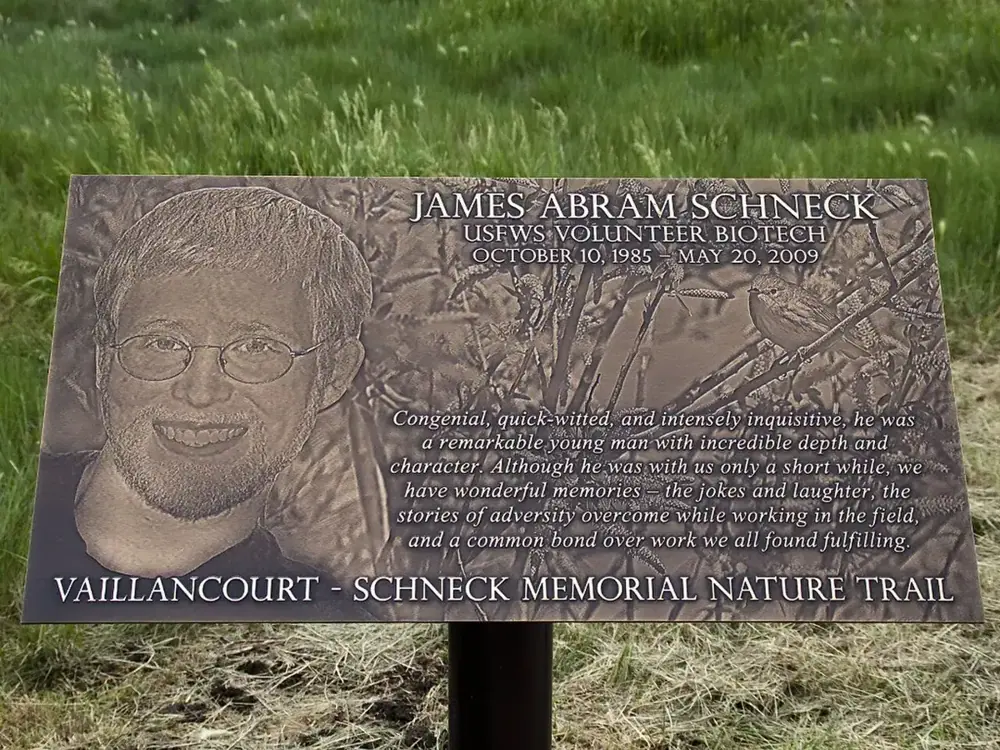
Illustrative stock photograph: Abram Schneck Memorial Bronze Plaque by Chris Bailey (5416278769).jpg by USFWS Mountain Prairie · Public domain. Resized and converted to WebP. The photograph does not represent Marwaa’s work or a featured service location.
Lost-wax and sand-cast bronze use different mould-making routes to translate a model into metal. Lost-wax casting removes a wax form from a mould before metal is introduced; sand casting uses a prepared sand mould. Each route can support different shapes and production choices. The method alone does not establish alloy, wall thickness, finish, likeness or quality of the completed memorial work.
How do lost-wax and sand-cast bronze differ?
Casting forms metal within a mould. The routes differ in how the cavity is made and how the model relates to that mould. Those differences can affect production planning without creating a simple good-versus-bad ranking.
The Getty's casting-process examination guide explains several routes and the evidence they leave. It is a technical reference about bronze objects, not a certificate that a newly quoted memorial uses a particular method.
In lost-wax work, a wax form is removed from its surrounding mould. In sand casting, the moulding arrangement uses sand around a pattern or related preparation. Actual foundry systems vary. A short sales description should not be expanded into a detailed process claim without confirmation.
A model is not the final metal object
The model establishes the intended form. The foundry must translate it into a cast object and complete the necessary finishing. Openings, fine details and undercut areas can affect how that work is planned.
The producer may cast sections and join them. A finished sculpture that appears continuous is not necessarily a single pour. Ask about the actual construction if it matters to the commission, handling or future care.
Do not assume every wax model leads to the same route. The model material and casting process are related but distinct information. The responsible foundry should explain the route actually proposed.
What happens after casting?
A raw casting can require removal of process features, joining, surface refinement and the agreed finish. A photograph of the finished patina does not show all those stages. Their quality matters alongside the mould-making route.
The Getty's metals discussion also shows why alloy identity is a separate question. The word cast does not establish a particular composition, just as a bronze-coloured surface does not prove the underlying metal.
Ask what the buyer will approve at each meaningful stage. A model review concerns form. A finish reference concerns the surface. Neither should silently become acceptance of unknown mounting details.
How should a trade order describe the work?
Identify the accepted model, material, overall construction and required finish. If a casting route is a specific requirement, state it separately. Do not rely on a photograph of another artist's sculpture to define the making method.
For the difference between forming metal and later cutting into a plate, see cast and engraved memorial plates. This guide remains within casting methods rather than repeating that comparison.
The factory enquiry should clarify whether the bronze is included in the proposed supply or comes from another specialist. Stone preparation may depend on information supplied by that maker. Coordinate those details before either component becomes difficult to change.
The useful choice connects the accepted form, suitable making route and finished product. Neither lost wax nor sand casting removes the need for relevant evidence and skilled work. A clear account of the actual process is more valuable than treating a historic method name as a universal quality label.
Dimensions on a model are not automatically the final finished metal dimensions. Ask how the accepted size is defined and checked in the supplied product, rather than assuming the model itself settles every production allowance.
Practical distinctions
| Question | Evidence or explanation | Limit to keep clear |
|---|---|---|
| Mould route | How the metal cavity is created | Not an automatic quality ranking |
| Construction | Single or joined parts as supplied | Finished continuity may hide planned joins |
| Material and finish | Actual alloy and surface treatment | Casting method does not establish either |
Key Takeaways
- Lost-wax and sand casting use different mould-making routes.
- The accepted model, construction and finish need separate clarity.
- A casting-method name does not guarantee alloy identity or product quality.
Frequently Asked Questions
Is lost wax always better than sand casting?
No. Suitability depends on the design, production route and completed work.
Does a seamless-looking sculpture prove one pour?
No. Sections can be joined and finished. Ask about the actual construction if it matters.
Does the casting method identify the alloy?
No. Material identity needs its own description and evidence.
Discuss a trade project
For a bulk memorial order, send Marwaa the intended material, design and unresolved requirements. Ask for an order-specific response before approving production.
Read More
A Note on This Guide
This guide provides no foundry procedure, alloy recipe or structural casting specification. This educational guide does not replace project-specific advice from the responsible supplier, designer or installer. Confirm cemetery requirements where the proposed product or alteration needs approval.
Published by Marwaa Team for Marwaa Memorials (marwaamemorials.com) · Published 2026-11-25 · Updated 2026-11-25 Marwaa Memorials is a factory-direct exporter of bulk granite monuments and headstones, shipping to monument dealers, funeral homes, and importers across North America.
Related guides
Cast Bronze vs Engraved Memorial Plates
How to Remove Candle Wax from a Headstone
A Memorial for Someone Lost at Sea

Bronze and Brass: Identify the Memorial Alloy
Cast-Glass Memorial Insets: Colour and Light