Cast Bronze vs Engraved Memorial Plates
Cast bronze vs engraved plates compares how lettering and images are formed.
By Marwaa Team · Editorial standards · Published · Updated
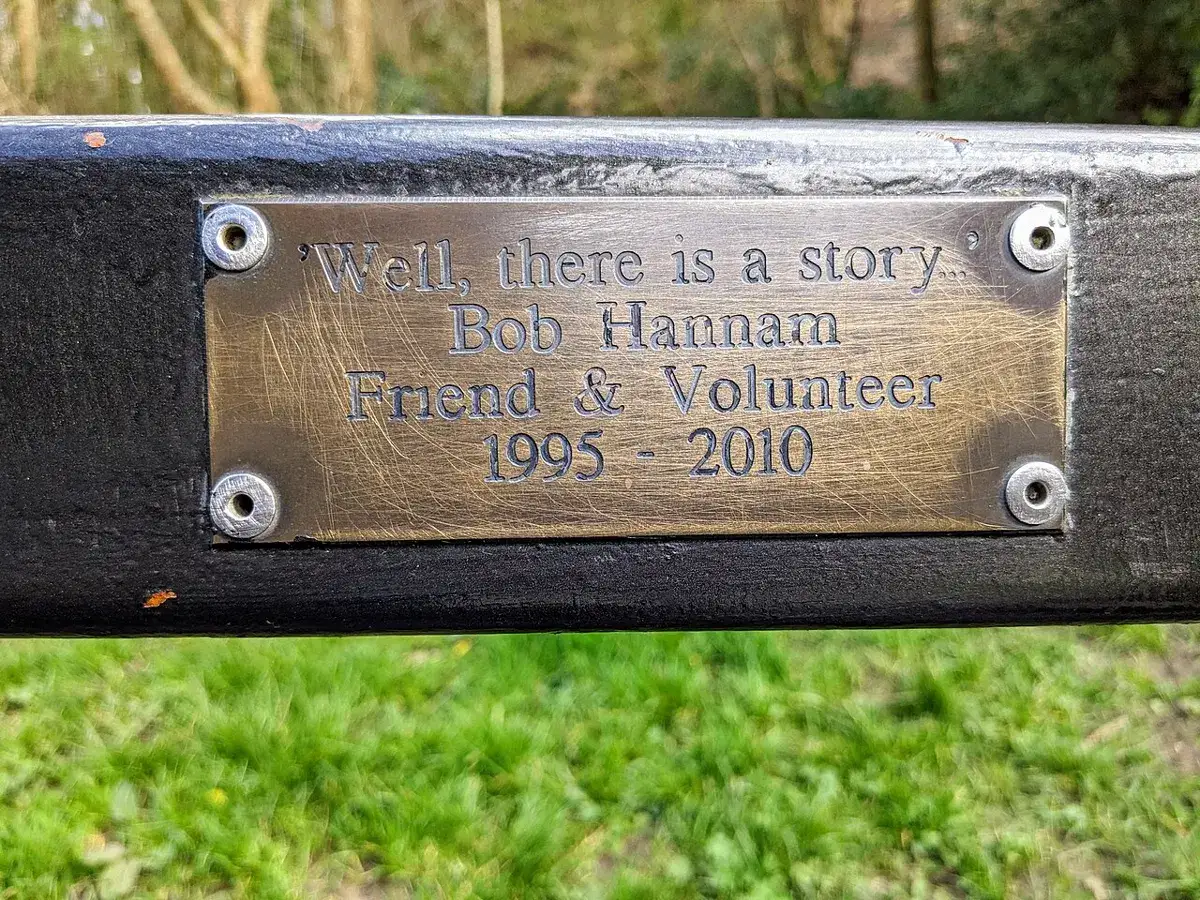
Illustrative stock photograph: Bob Hannam Memorial Bench.jpg by Marley Sexton · CC0. Resized and converted to WebP. The photograph does not represent Marwaa’s work or a featured service location.
Cast bronze vs engraved plates compares how lettering and images are formed. Casting shapes metal in a mould and can create raised features. Engraving removes material from an existing plate. Some products combine processes, and a small photograph may hide the difference. Request a clear account of the actual metal, surface, lettering and attachment instead of choosing from a bronze-coloured image alone.
What changes with cast bronze vs engraved plates?
A cast plaque takes shape in a mould. Its border, lettering or image can form part of the cast surface. Raised letters against a lower background are a familiar result. Engraving begins with a plate and removes material to create marks.
K Bronze explains these forming methods. Its examples help distinguish them. They do not establish a universal price, lead time or quality ranking across manufacturers.
Sales terms can overlap. A cast product may receive later engraving. A bronze-coloured plaque may use a different underlying metal. Ask what is actually supplied rather than identifying the material from its colour.
Lost-wax and sand casting use different mould-making routes without providing an automatic quality ranking. See Lost-Wax and Sand-Cast Bronze Memorial Work.
Raised and recessed features look different
A raised letter catches light on its face and edges. A recessed letter creates a different boundary and shadow. Colour and texture can strengthen or soften either effect. The result depends on more than the font outline.
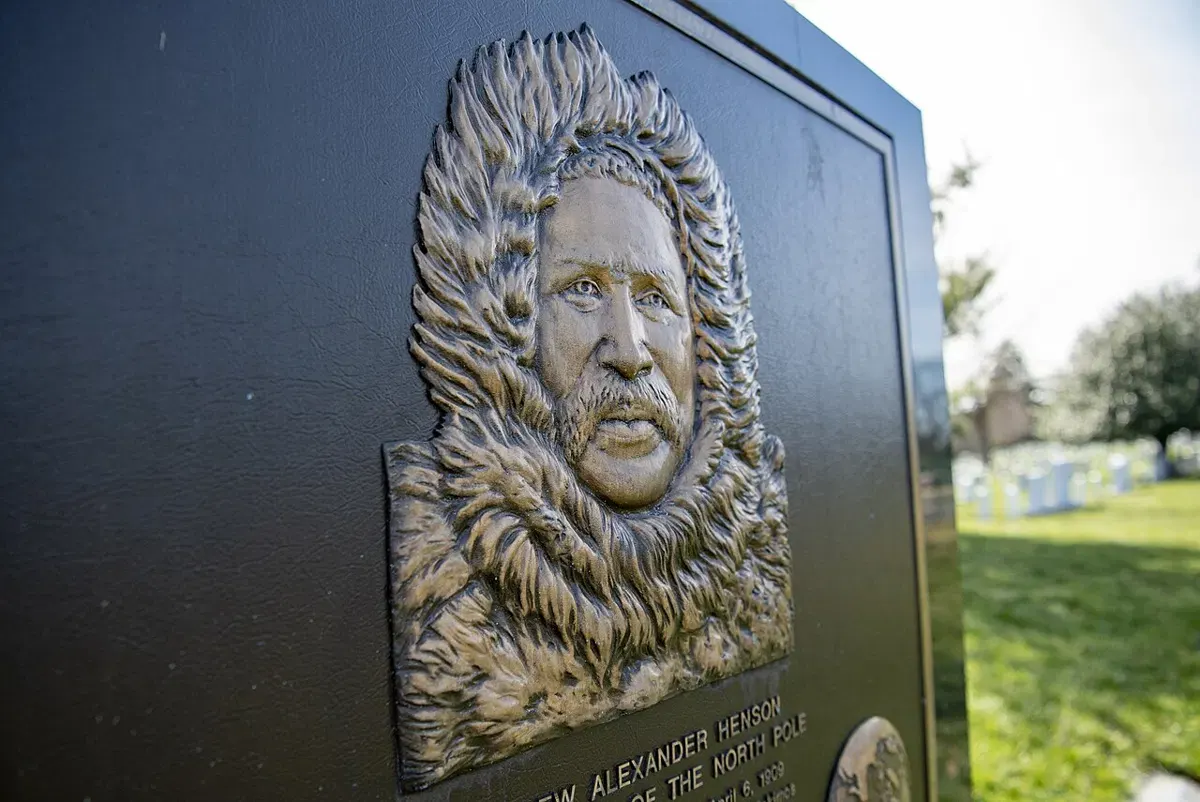
A straight-on photograph can hide depth. An angled close view helps show whether text stands above or sits below its background. A physical example offers further context when this character is central to the design.
Raised does not always mean easier to read. Letter form, spacing, contrast, lighting and viewing distance all matter. Assess the full inscription at its intended scale rather than praising one impressive letter in isolation.
Artwork needs to describe the treatment
A flat proof can show position while leaving depth unclear. Identify which letters, borders and symbols are raised, recessed, textured or coloured. These labels connect the approved layout to the expected product.
Very fine lines can change when translated into metal. A maker may recommend opening a small gap or simplifying an emblem. Review the meaning and appearance of that change rather than accepting a generic claim that the machine requires it.
Permission to reproduce artwork is separate. The ability to make a logo does not establish a right to use it. Confirm the authorized source before production, especially for organization emblems and professional photographs.
Consider the plate and support together
A plaque can be mounted on granite, another support or a frame. Outside dimensions do not describe the full interface. Fixings, recesses and edge clearances may need coordination before either part is produced.
The responsible supplier and installer should settle the actual arrangement. A fixing copied from a similar-looking plaque is not a reliable design. The support, supplied product and conditions all matter.
For a bulk memorial enquiry, say whether the metal plate is included in the supply or comes from another party. If stone preparation depends on it, current product information must reach the stone workshop before cutting.
Bronze and brass trade names may be broader than an exact alloy designation, and surface colour does not identify the underlying metal. See Bronze and Brass: Identify the Memorial Alloy.
Later inscriptions need their own plan
If another name or date will be added, ask how that work will be done. Empty space alone does not prove that future lettering can match the original process, finish or depth.
A later engraved line may differ from cast lettering. A separate name plate may offer another option, but its appearance and attachment require agreement. Discuss these choices before approving the first item.
The right comparison concerns this material, process and complete design. Cast should not be used as a synonym for expensive, nor engraved for temporary. The words explain making. Suitability depends on the actual product and its intended use.
Compare the decisions
| Area | What to establish | Why it matters |
|---|---|---|
| Material | The actual metal supplied | Colour alone is not identification |
| Lettering | Raised, recessed and finished areas | A flat proof may hide depth |
| Future work | How an addition will be made | Space alone does not guarantee a match |
Key Takeaways
- The actual metal supplied. Colour alone is not identification.
- Raised, recessed and finished areas. A flat proof may hide depth.
- How an addition will be made. Space alone does not guarantee a match.
Frequently Asked Questions
Are all bronze-coloured plaques bronze?
No. Ask for the product material rather than inferring it from colour.
Can one plaque combine casting and engraving?
Yes. Ask which process creates each important feature.
Will a later engraved line match cast letters?
Do not assume an exact match. Review the proposed method, depth and appearance with the supplier.
Discuss the trade requirement
For a bulk memorial project, send the intended material, design and use to Marwaa. Ask for a clear response to the questions that affect your order before approving production.
Read More
- Granite vs. Marble vs. Bronze: Which Material Is Right for a Memorial?
- Raised vs Recessed Headstone Lettering: Which Should You Choose?
- Memorial Accessory Holes: Check the Approved Drawing
A Note on This Guide
This compares methods, not foundry specifications or prices. Confirm material and assembly details with the actual supplier. This is general educational guidance for dealers and other buyers. The people responsible for the project should resolve material, cemetery and technical requirements for the actual order.
Published by Marwaa Team for Marwaa Memorials (marwaamemorials.com) · Published 2026-11-23 · Updated 2026-11-23 Marwaa Memorials is a factory-direct exporter of bulk granite monuments and headstones, shipping to monument dealers, funeral homes, and importers across North America.
Related guides
Lost-Wax and Sand-Cast Bronze Memorial Work
How Long Does a Headstone Last? Granite vs Marble vs Bronze
Bronze Plaque on Granite vs All-Granite Flat Marker
Bronze Bas-Relief vs Photo-Rendered Memorial Portraits
Cast-Glass Memorial Insets: Colour and Light