Home Burial on Private Property: Headstone Rules
What families should know about burial on private land in Canada and the USA — laws vary widely, family cemeteries, records and choosing a headstone.

Some families want a loved one buried on the family farm or land. Whether that's possible depends heavily on where you live.
Laws vary widely
Rules differ by province, state and municipality. Some places allow private family burial grounds with permits; others restrict body burial to licensed cemeteries. Requirements may cover zoning, distance from water and wells, depth and registration. Check with local government and a funeral director before planning. This isn't legal advice.
Family cemeteries
Historic family plots exist on many farms. Adding a burial to an existing family cemetery may still require permits. Recording the burial with the land title or municipality protects it for future owners.
Ashes are simpler
Burying cremated remains on your own land is generally more permissible than body burial, though local rules still apply. See ashes buried at home.
Choosing a headstone
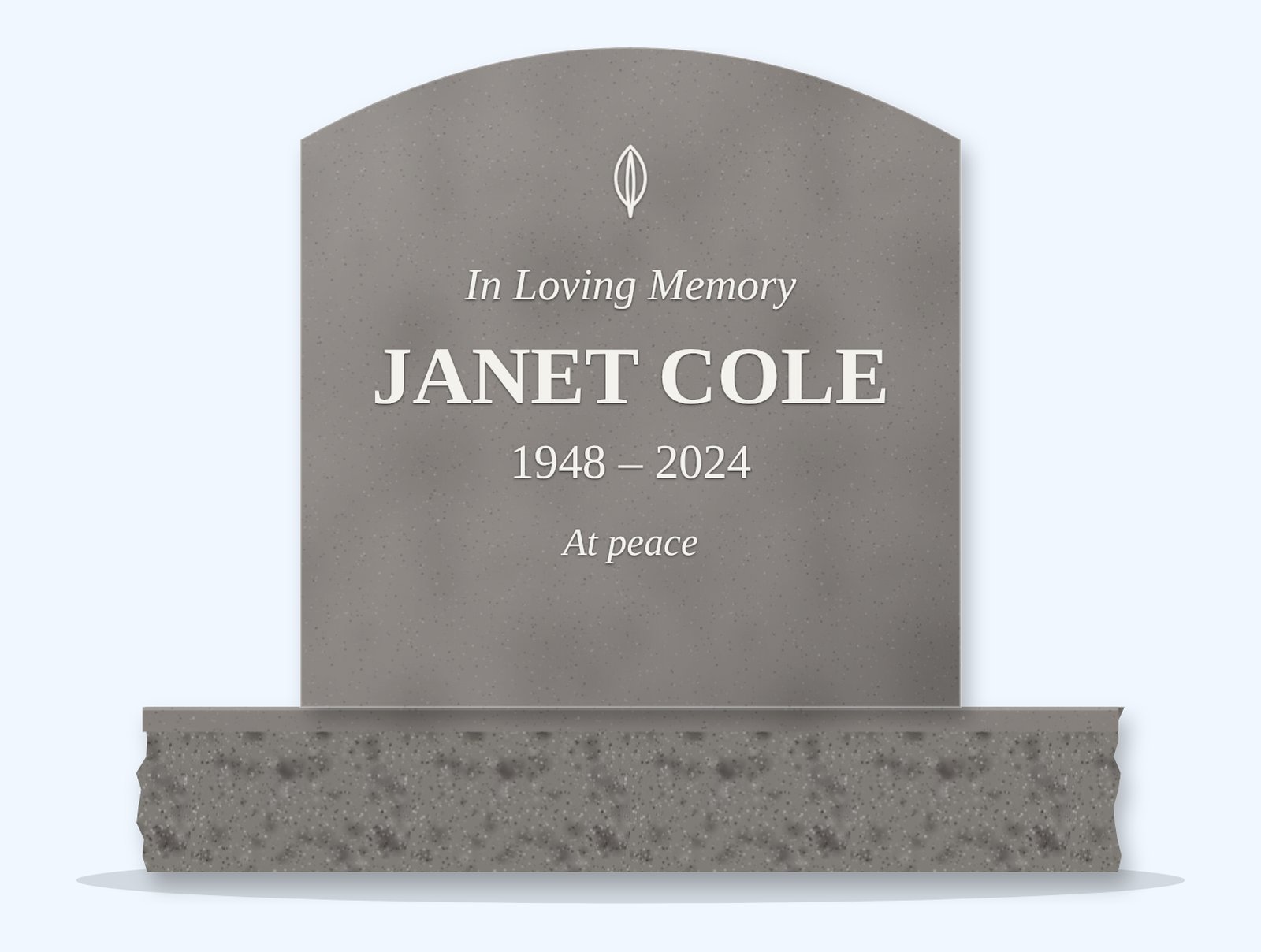
Granite lasts generations and marks the grave clearly for future owners. A flat or low marker is less intrusive; an upright clearly marks a family plot. Record GPS coordinates. See garden memorial stones.
Protecting a family burial ground long-term
Family burial grounds outlast owners. To protect one:
- Register it with the municipality or land title where possible.
- Fence or mark the boundary clearly.
- Keep a written map with names and positions.
- Discuss access rights for descendants if the land is sold.
Many historic family plots are lost because nobody recorded them. Durable granite markers and clear records keep them visible.
If the property is sold
Home burials raise questions when the land changes hands:
- Record the grave on the deed so future owners know it's there.
- Ask about access rights — some regions let families visit after a sale.
- Choose a durable, clearly marked stone so the grave isn't lost.
- Consider relocation if you plan to move permanently.
Check local laws before burial; requirements vary widely.
Key Takeaways
- Home burial laws vary widely.
- Check with local government first.
- Record burials with the land title.
- Granite marks the grave for future owners.
Next Step
See types of cemetery plots or contact us.
Frequently Asked Questions
Can you be buried on your own property in Canada?
It depends on the province and municipality; some allow family burial grounds with permits.
Is home burial legal in the USA?
In some states with conditions; rules vary by state and county.
Can ashes be buried at home?
Generally more permissible than body burial, but check local rules.
Should a home burial be recorded?
Yes — with the municipality or land title, so future owners know.
How can a family burial ground be protected if land is sold?
Register it, mark the boundary, keep a written map and arrange access rights for descendants.
Ready to get pricing for your granite monument?
Request pricing, factory specifications, and DAP delivery timelines from our team.
Related guides

Double-Depth Burial Explained
Scattering Ashes
Grave Markers for Green and Natural Burial Sites
Burial vs Cremation
Can You Install a Headstone Yourself? Rules, Risks and Alternatives