
Historic Zinc or White-Bronze Grave Markers
Learn why historic white-bronze grave markers need accurate material identification and specialist advice rather than stone-cleaning methods.
By Marwaa Team · Editorial standards · Published
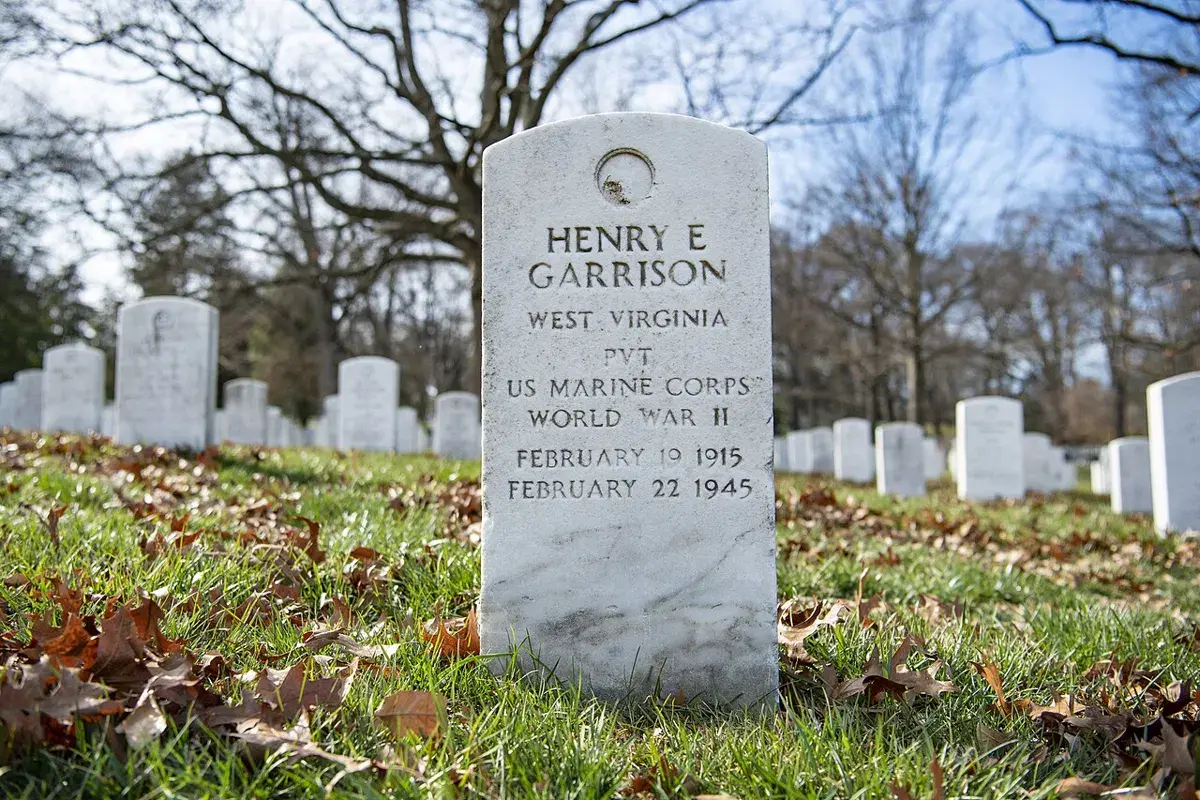
Illustrative stock photograph: Headstone of U.S. Marine Corps Pvt. Henry Garrison.jpg by Arlington National Cemetery · Public domain. Resized and converted to WebP. The photograph does not represent Marwaa’s work or a featured service location.
A historic grave marker described as white bronze may be a zinc object, not conventional bronze or stone. The material name matters to identification and care. Preserve visible details and known records, then seek suitable advice before cleaning, coating or repairing it. A cast, stone-like appearance does not make granite maintenance instructions applicable.
Why does the name cause confusion?
White bronze is a historic name associated with zinc memorials. A family reading the term on a record may assume it means a pale version of a bronze plaque. Another visitor may see a textured surface and assume stone. Those assumptions can lead to unsuitable care requests.
The National Park Service conservation glossary includes zinc under this historic name. Use the source as an identification starting point, not proof that every pale cast marker is zinc. Ask an appropriate specialist about the particular object.
Record the object without testing it
Take safe context and detail photographs where allowed. Note visible maker information, inscriptions, seams or separate components without handling them. If a surface or fitting looks loose, keep clear and report the concern to the cemetery.
Do not scrape a hidden area, strike the object for its sound or apply a cleaner to see what happens. A family’s material enquiry does not require a physical experiment. A specialist can explain what further examination is appropriate.
Separate useful observations from assumptions
| Observation | Useful record | Conclusion not established |
|---|---|---|
| Pale cast-looking surface | Unaltered photographs and location | Exact metal composition |
| Visible manufacturer wording | Direct transcription with uncertainty noted | Complete manufacturing history |
| Joints or panel lines | Safe views of the assembly | Whether the joint is sound |
| Colour difference | Location, date and conditions | Cause or treatment needed |
| Old coating | Known work records if available | That stripping it is appropriate |
This record helps a conservator or knowledgeable provider scope an enquiry. It is not a family condition assessment. Keep any later professional interpretation separate from the initial observation.
Do not borrow care advice from granite or bronze
A general headstone-cleaning article can cover many products too loosely. The NPS materials course explains that materials differ in physical and chemical properties. That is the relevant boundary here: identify the object and its history before treatment.
Likewise, a bronze surface-care product is not automatically suitable because the old name contains bronze. Avoid a universal claim that one product or coating solves all outdoor metal concerns. Ask about the actual material and any previous work.
Understand the monument as an assembly
Some cast memorials include distinct panels, fittings or supports. A surface photograph may not show how the whole structure works. If a plaque or panel needs attention, ask who should assess the complete object rather than treating it as an independent decorative piece.
This guide does not supply bolt-tightening, packing, sealing or repair directions. Work on a historic assembly may affect original material and future treatment options. Keep physical decisions with the cemetery and suitably qualified professionals.
Example: a family asks for stone-style washing
Suppose a relative calls an older marker “the grey stone” and asks a general cleaner to brighten it. A material check may show that the original description was wrong. The family can then change the enquiry before an unsuitable treatment begins.
Keep the early photograph and the corrected identification with its source. That record helps later relatives avoid the same mistake. If a proposed treatment changes the appearance, ask how it relates to the object’s original surface and history.
Preserve its place in the cemetery’s history
A material that differs from nearby stones can be part of the site’s historical record. Do not decide that it should be replaced simply to match the surrounding granite. Ask how its significance and condition should be considered.
The historic headstone review covers that broader choice. The conservation referral brief helps frame a professional enquiry. If a separate new granite memorial is considered, make clear that it is a new object, not a treatment of the old zinc marker.
Key Takeaways
- Historic white-bronze terminology can refer to zinc rather than conventional bronze or stone.
- Record visible evidence without scraping, striking or testing an old metal marker.
- Material identification and professional assessment come before choosing cleaning, coatings or repairs.
Frequently Asked Questions
Is white bronze the same as a normal bronze grave plaque?
Do not assume that. The historic name can refer to zinc markers; obtain suitable identification.
Can I use a granite cleaner on a stone-looking cast marker?
Do not choose care by appearance. Ask about the actual material and its condition.
Should an unusual marker be replaced to match neighbouring granite?
Matching appearance alone does not settle a historic conservation decision. Seek an appropriate review.
Next Step
Prepare a conservation referral brief with safe images and any known maker or work records.
Read More
- Headstone Conservation Referral: What to Send
- Before Replacing a Historic Headstone: Review Options
- Headstone Condition Log: Record Changes Without Guessing the Cause
A Note on This Guide
This is an identification and care-boundary guide, not a definitive material diagnosis or treatment method. Historic objects and previous repairs vary. Ask suitable professionals to assess the actual marker before work.
Published by Marwaa Team for Marwaa Memorials (marwaamemorials.com) · Published 2026-11-23 · Updated 2026-11-23 Marwaa Memorials is a factory-direct exporter of bulk granite monuments and headstones, shipping to monument dealers, funeral homes, and importers across North America.
Related guides

How to Clean a Bronze Grave Marker Without Damaging It
Historic Iron Grave Markers: Care Boundaries
Historic Wooden Grave Markers: Preserve the Record
White Spots or Haze on a Headstone: Causes and Safe Fixes
Bronze Memorial Patina or Damage: What to Ask
