Memorial Map Engraving: Place, Scale and Meaning
Plan memorial map engraving as a literal record, simplified outline or symbolic route, with clear meaning, sources and privacy choices.
By Marwaa Team · Published

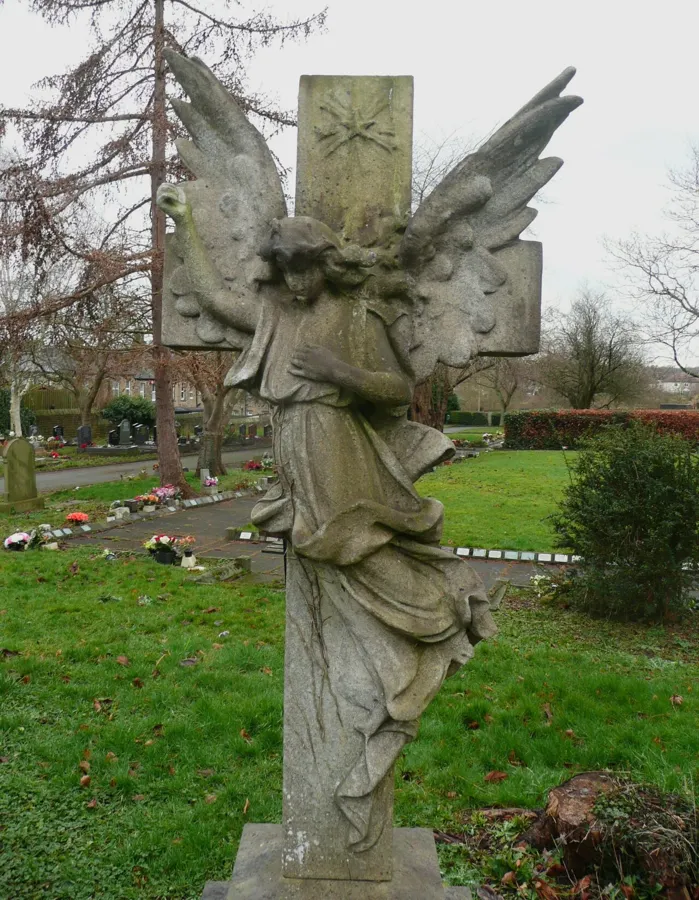
Illustrative stock photograph: Apesthorpe Cemetery path - geograph.org.uk - 6625755.jpg by Richard Croft · CC BY-SA 2.0. Resized and converted to WebP. The photograph does not represent Marwaa’s work or a featured service location.
Memorial map engraving should make clear whether the map is a literal record, a simplified place outline or a symbolic image. Choose the detail that matters before adding roads, coordinates or a route. Do not imply survey accuracy or a precise location from an artistic design. Check the source, the intended meaning and the information the family is comfortable displaying in public.
A map can point to a childhood town, a journey or a shared place. It can also suggest facts the family did not intend. We recommend deciding what the map claims before choosing how much detail it contains.
What is the map meant to say?
A country outline, a small route and a street plan tell different stories. State which one the family wants and why. If a route combines several journeys, label it as a commemorative interpretation rather than a record of one actual trip.
Consider whether the meaning remains clear to someone who does not know the person. A place name or brief phrase may help, but the memorial need not become an atlas. The image should support the name and dedication instead of demanding a long explanation from every visitor.
Which source should the designer use?
Keep the source and relevant use terms with the artwork request. A map seen online is not automatically an appropriate image to copy into a commercial production file. Ask the relevant provider or adviser about an uncertain source rather than guessing.
Give the designer a clear reference for the intended place. A simplified outline can differ from a detailed geographic source without being an error, but the family should understand the choice. Ask which details have been omitted, moved for clarity or newly drawn.
How much detail belongs on the stone?
Choose a hierarchy: the place outline, a marked point or a named route might be essential. Small labels, minor roads and decorative symbols may be optional. Review the map at the intended physical size with the actual inscription beside it.
Do not use a tiny geographic label as the only way to explain the main idea. A supplier can assess the proposed image and method, but should not have to decide which location means the most to the family. That priority belongs in the brief.
What should be public?
Think about whether a marked point identifies a living person’s home or another private location. The family can choose a broader region or a symbolic point instead. A map need not contain the most precise information available to carry a clear meaning.
If coordinates are included, keep their factual check separate from the artwork’s appearance. An attractive arrangement does not verify a location. Likewise, the proposed map should not be used by a visitor as a cemetery plot record or navigation instruction unless the relevant authority has provided such a purpose.
Compare the design choices
| Choice | What to consider |
|---|---|
| Literal record | Use verified facts and explain the intended accuracy |
| Simplified outline | Name the place and show what detail is intentionally omitted |
| Symbolic route | Make the interpretation clear in the project brief |
| Private location | Decide whether precision belongs in a public object |
| Small labels | Retain only those needed for the image’s meaning |
A practical example
A family wants a route between two towns that mattered to a couple. The first draft adds detailed roads from an online map, making the image busy and suggesting an exact journey. The family explains that it wants a symbolic connection, not a travel record.
The designer creates a simpler outline with two named places and an artistic connecting line. The family checks the locations and the source question separately. The final inscription does not ask visitors to treat the design as a map for finding a grave.
Making the choice
Write one sentence explaining what the map represents. If that sentence contains claims the family cannot verify, simplify the claim before simplifying the drawing. Then ask whether the visible design still communicates the agreed meaning.
The Design Studio can provide context for positioning a design idea. Its preview is not a geographic verification tool. Keep any actual cemetery location record with the cemetery’s documents rather than relying on the decorative map.
Key Takeaways
- A memorial map should state whether it is literal, simplified or symbolic.
- Geographic detail should serve the family’s meaning rather than crowd the inscription.
- A decorative map does not replace the official grave-location record.
Frequently Asked Questions
Must a memorial map show an exact route?
No. It may be a clearly understood symbolic connection or simplified outline.
Can a map image be copied from any website?
Do not assume that. Keep the source and ask about the intended reproduction where needed.
Should coordinates and artwork be checked together?
Check their factual accuracy and the design’s appearance separately; one does not establish the other.
Next step
Read GPS Coordinates on a Headstone to place this choice in the wider design. Then discuss the actual object, site and proposed work with the relevant memorial professional before making a commitment.
Read More
- GPS Coordinates on a Headstone
- Personal Scenes on Headstones: Prepare the Artwork
- Headstone Layout Tips: Balance, Spacing and Hierarchy
Further reference
US Geological Survey: map use and interpretation provides background relevant to the form or materials discussed. It is not a product approval, a Marwaa availability statement or permission for work at a particular site.
A Note on This Guide
This is an artwork and meaning guide, not a survey, navigation or legal rights opinion. Source permissions and factual location checks depend on the actual proposed material. Cemetery records remain the relevant authority for a grave’s identity.
Published by Marwaa Team for Marwaa Memorials (marwaamemorials.com) · Published 2026-11-23 · Updated 2026-11-23 Marwaa Memorials is a factory-direct exporter of bulk granite monuments and headstones, shipping to monument dealers, funeral homes, and importers across North America.
Related guides

How to Read a Cemetery Map and Find a Plot

Monument Crate Labels: Map Components Without Guessing

Headstone Ideas for Someone Who Loved to Travel
Headstone Ideas for an RV Traveller
Custom Headstone Engraving Guide: Names, Dates, Symbols, Photos and Layout