Draped Urn on a Headstone: Meaning and History
What a draped urn on a gravestone means — mourning and the veil between life and death — its neoclassical roots and the urn-and-willow motif.
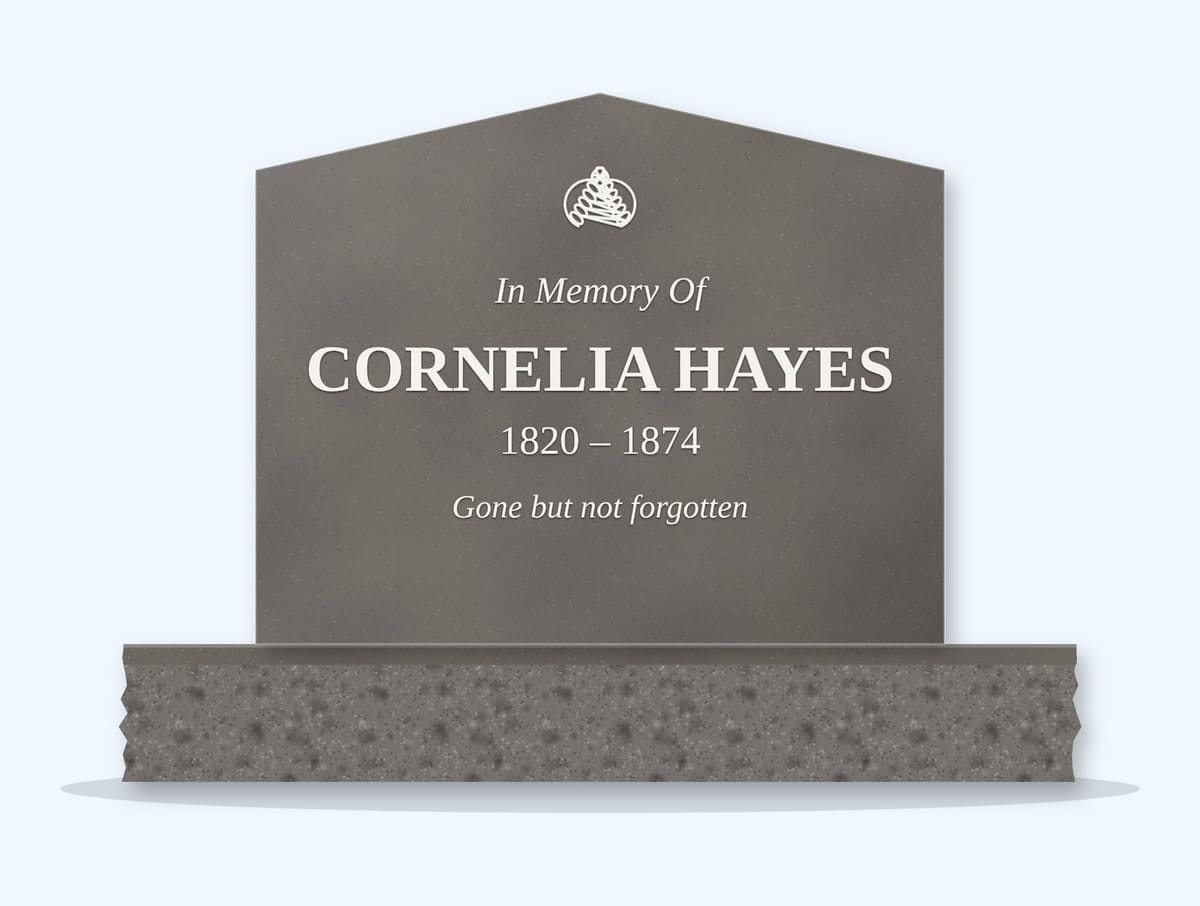
Urns — often half-covered with cloth — crown many 19th-century monuments.
What it means
| Variation | Meaning |
|---|---|
| Urn | Death and the body's remains (from ancient cremation urns) |
| Draped urn | Mourning; the cloth as a veil between life and death |
| Urn with flame | Eternal remembrance or the soul's life |
| Urn and willow | Mourning — see weeping willow |
History
Neoclassical taste in the late 18th and 19th centuries brought Greek and Roman forms, including urns, into cemeteries. Draped urns sit on top of obelisks and pedestals across North America.
Using it today
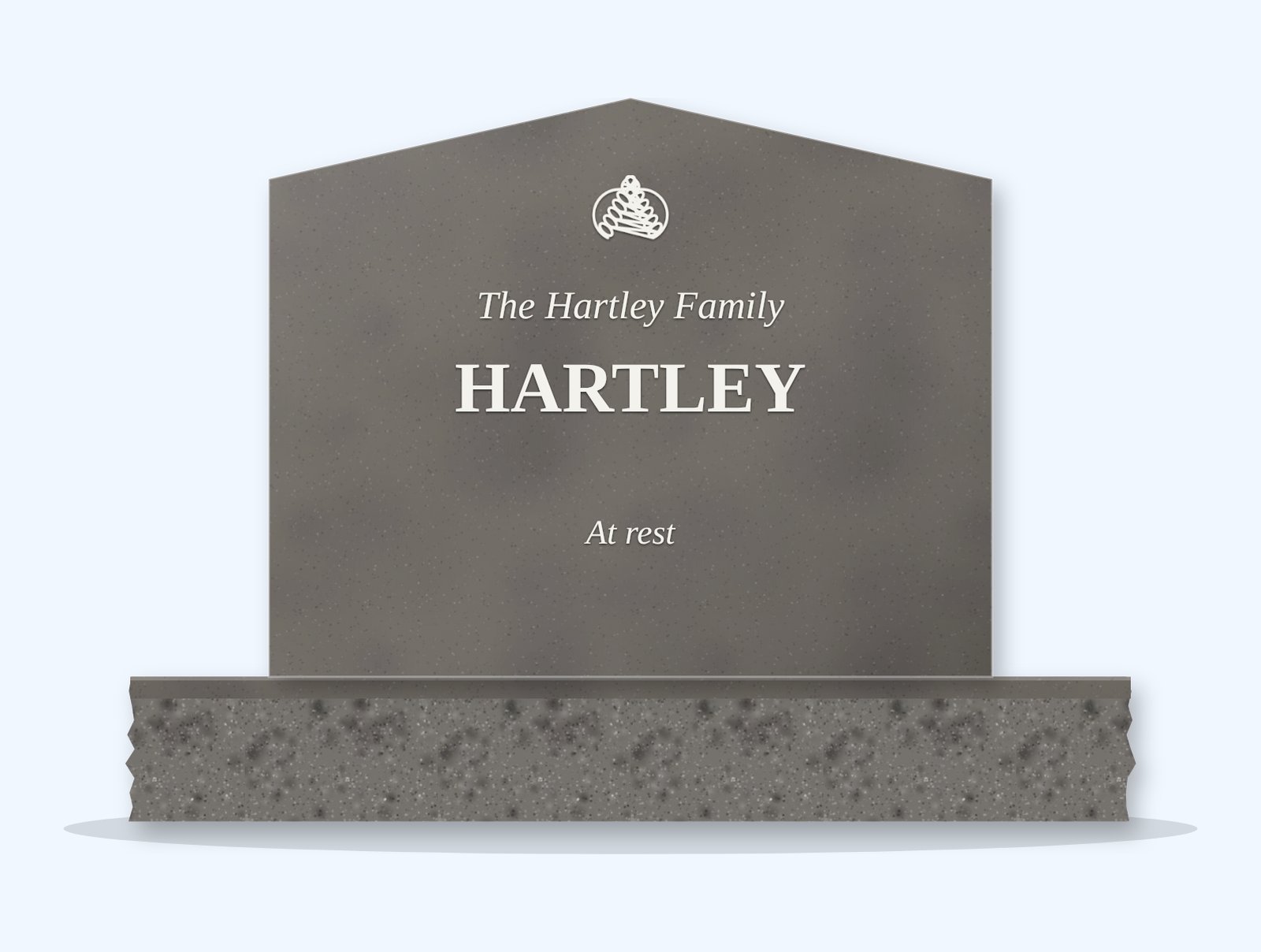
- A carved urn emblem on an upright.
- A heritage-style pedestal monument, subject to cemetery rules.
Victorian mourning symbols together
Draped urns often appear with:
- Weeping willows — see willow meaning.
- Inverted torches — see inverted torch.
- Obelisks — see obelisk.
Draped urns on modern memorials
The draped urn is a Victorian mourning symbol, but it still suits:
- Restoration-style stones matching an older family plot.
- Classical designs with columns and pediments.
- Cremation memorials — the urn takes on a literal meaning.
A carved urn in relief on grey granite looks most authentic. Pair it with "In memory of" and a formal serif font for a period feel.
Urns in other traditions
Urn imagery isn't only Victorian:
- Classical Greek and Roman tombs used urns for ashes.
- Modern cremation memorials often show an urn literally.
- Columbarium plaques sometimes include a small urn emblem.
A plain, undraped urn suits contemporary cremation memorials.
Reading the drape
On old stones, the drape itself can carry meaning:
- Fully draped urn — deep mourning.
- Partly drawn drape — the veil between life and death.
- Fringed drape — formality and status.
Look for the urn's position too — on top of a column or obelisk, it often marks the family's principal monument.
Key Takeaways
- An urn represents death; drapery represents mourning.
- It reflects neoclassical style.
- The urn-and-willow pairing is classic.
Next Step
See our headstone symbols guide.
Frequently Asked Questions
What does a draped urn mean on a gravestone?
Mourning; the cloth is often read as the veil between life and death.
Why are there urns on top of old monuments?
Neoclassical style made Greek and Roman forms, including urns, popular in the 1800s.
Does an urn mean the person was cremated?
Not usually. On older stones it is a symbol of mourning, not an indication of cremation.
Is a draped urn suitable for a cremation memorial?
Yes — it suits classical cremation memorials, where the urn also has a literal meaning.
Ready to get pricing for your granite monument?
Request pricing, factory specifications, and DAP delivery timelines from our team.