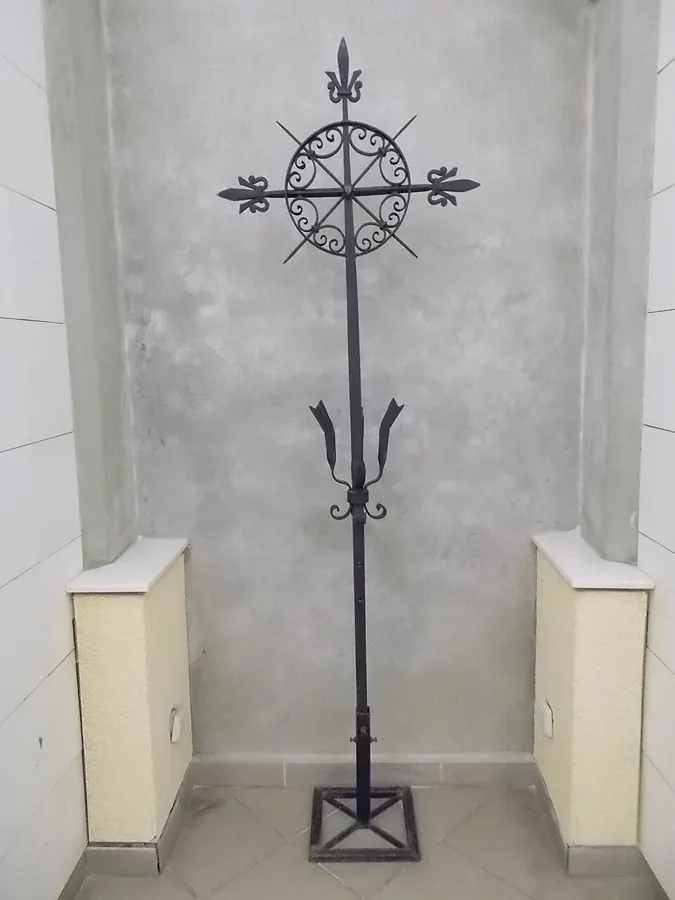
A Digital 3D Memorial: More Than a Photograph
A rotating image can make a distant memorial easier to understand. It can also hide gaps behind a convincing surface. The family's first decision is what the virtual object is meant to preserve, explain or imagine.
By Marwaa Team · Editorial standards · Published
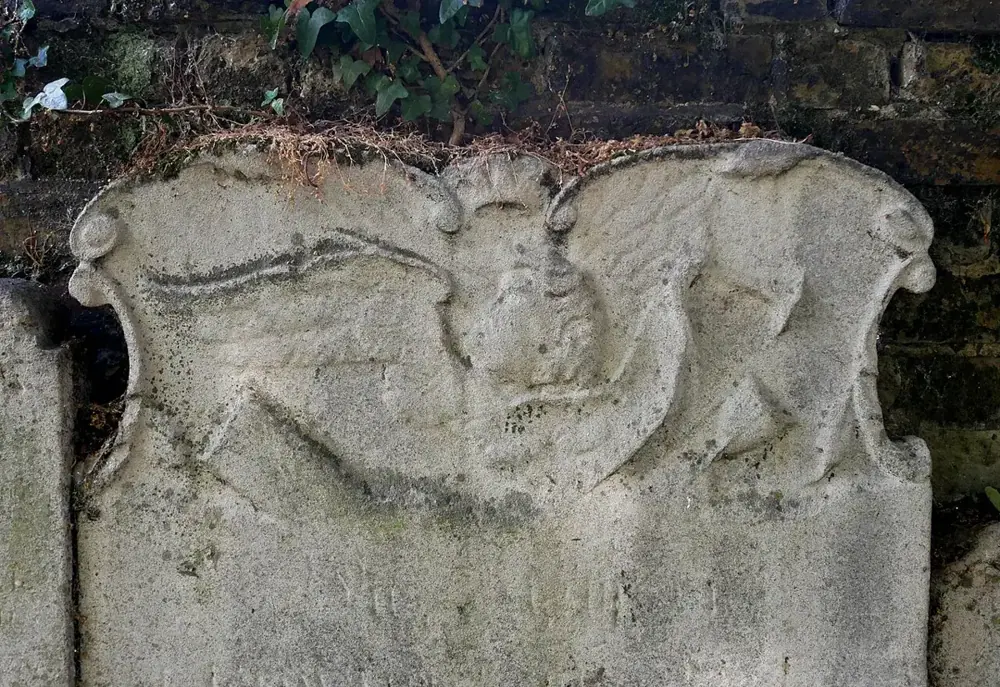
Illustrative stock photograph: Angel Detail on a Gravestone in St Edmund's Chartered Churchyard.jpg by Ethan Doyle White · CC BY-SA 4.0. Resized and converted to WebP. The photograph does not represent Marwaa’s work or a featured service location.
A digital 3D memorial lets visitors explore a virtual object from more than one view. It may record an existing monument or create an interpretive memorial that never existed physically. State which it is, identify missing or recreated parts, and plan how people will use and keep the files. A realistic model should not be mistaken for a measured condition survey or an exact historical record.
A rotating image can make a distant memorial easier to understand. It can also hide gaps behind a convincing surface. The family's first decision is what the virtual object is meant to preserve, explain or imagine.
Is it a record or a new interpretation?
A model based on an existing object starts from that object's available evidence. An artist-created memorial starts from a design intention. Both can be useful, but they should not be described in the same way.
Ask which parts came from capture, photographs or new modelling. A hidden rear face may be simplified or invented. If a family wants a faithful record, those limits matter. If it wants a new virtual place for remembrance, an imagined setting may be acceptable when the interpretation is clear.
What should a visitor be able to do?
Choose the useful actions before requesting extra technical detail. Visitors might rotate the monument, read an inscription close up or follow a short explanation of its features. A complicated viewer is not automatically a more useful memorial.
Test the experience on the devices people actually use. Include a readable text transcript and meaningful still images so the page does not depend entirely on 3D controls. The existing QR continuity guide covers linked-service custody; the present choice is about the virtual object and the visitor's understanding.
Which limits should be visible?
Show when the model was made and what it represents. A memorial may later gain lettering or another component. Without a date, the digital version can appear current even when it records an earlier state.
Keep reconstructed areas and unreadable text distinguishable in the supporting explanation. Do not let software fill a gap and quietly turn a guess into family history. For a new design, label a rendering as a proposal. A polished virtual surface is not evidence that a physical object has been made, inspected or installed.
Who keeps the working files?
Agree which files the family or commissioning organisation receives, and what they may do with them. A public viewer link is not the same as access to the model itself. Ask whether a future provider could display the material if the original service changes.
The Library of Congress lists preferences for design and 3D formats and offers personal digital archiving guidance. Those resources support file-custody questions; they do not guarantee that any particular format will remain usable forever. Keep related text, source information and representative views with the model.
What permissions are separate from the model?
Access to a cemetery or possession of photographs does not settle every right to capture and publish a model. Ask the site, object owner and relevant rights holder where the proposed work requires it. Avoid recording people or private information by accident.
The Marwaa catalogue can provide product context for a virtual design discussion. It should not be read as a promise of scanning or hosting services. Keep digital creation, physical manufacture and any future installation as clearly identified scopes with their own responsible providers.
Compare the practical choices
| Choice | Question to settle |
|---|---|
| Captured memorial | Which surfaces and date does it actually record? |
| Recreated missing area | Is the interpretation clearly identified? |
| New virtual design | Is it labelled as a proposal or digital-only work? |
| Public viewer | Can people also access readable text and still views? |
A decision in practice
A family living abroad wants a model of a memorial it cannot visit often. The creator can record the front and sides but has no clear view of the rear. Rather than inventing the missing inscription, the public page explains the gap and provides the verified front text separately.
The family receives the agreed model files and representative images as well as the viewer link. Later lettering can be documented as a new version. The digital memorial becomes useful without pretending to be a complete survey.
Key Takeaways
- State whether a digital model records an object or creates an interpretation.
- Visible source limits matter even when the model looks realistic.
- Keep agreed model files and readable alternatives as well as a viewer link.
Frequently Asked Questions
Is a 3D model a condition survey?
Only if a separately defined professional survey actually supports that claim; appearance alone does not.
Can missing details be reconstructed?
They can be interpreted for some purposes, but the reconstruction should be identified.
Is a hosted viewer enough for long-term custody?
Ask for the agreed files and supporting records as well as the link.
Next step
Read QR Memorial Links: Keep the Destination Available while shaping your discussion with the memorial professional. Families can use that discussion to identify a suitable local provider; dealers should confirm the actual supply scope before seeking a trade quotation.
Read More
- QR Memorial Links: Keep the Destination Available
- Memorial Photos, Renderings and Stock Images: Label Them
Sources and context
A Note on This Guide
This guide concerns virtual memorial purpose and file stewardship. It gives no scanning procedure, conservation survey standard or rights determination. A digital proposal does not establish physical production, structural suitability or cemetery approval.
Published by Marwaa Team for Marwaa Memorials (marwaamemorials.com) · Published 2026-11-25 · Updated 2026-11-25 Marwaa Memorials is a factory-direct exporter of bulk granite monuments and headstones, shipping to monument dealers, funeral homes, and importers across North America.
Related guides
QR Code Headstones: Adding a Digital Memorial to a Gravestone

Three-Word Epitaphs for Headstones: 60 Short Ideas
Cameo Portrait or Etched Memorial Photograph?
Limestone or Granite: Choose the Memorial Surface

Personal Objects in a Memorial: Original or Replica?