After a Storm: Report Memorial Damage Safely
Report visible memorial damage after a storm with safe photographs, grave details and a clear request for cemetery assessment.
By Marwaa Memorials · Published
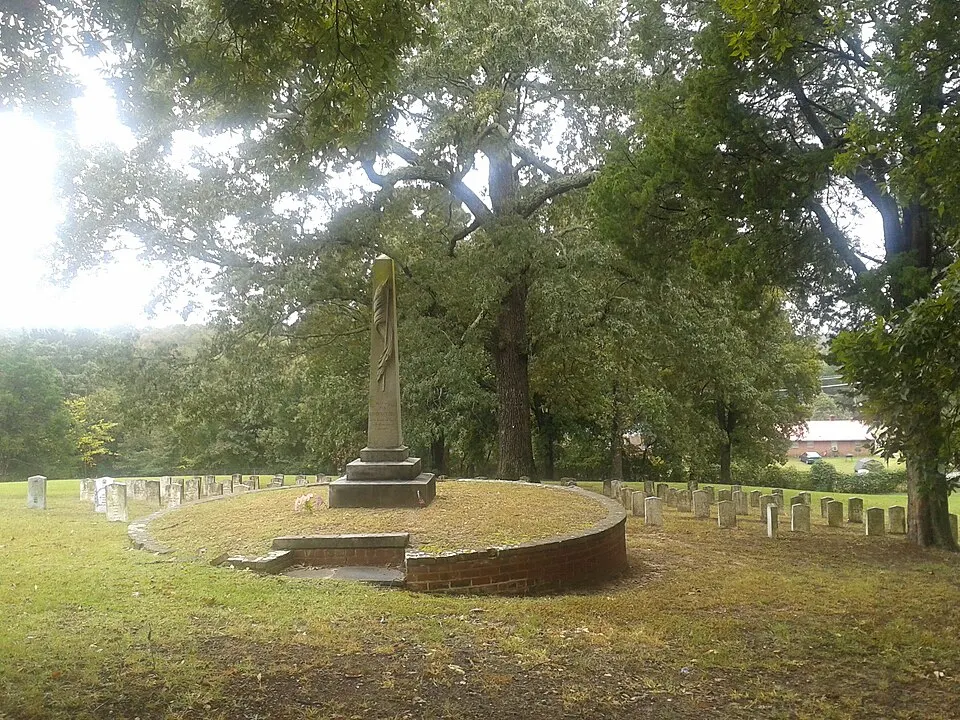
Illustrative stock photograph: Adelaïde Cemetery 70.jpg by René Hourdry · CC0 1.0. Resized and converted to WebP. The photograph does not represent Marwaa’s work or a featured service location.
A storm can leave branches, standing water and displaced objects around a grave. The first visit should be about safe observation and a useful report. A family photograph cannot establish whether a stone, foundation or nearby tree is stable, so avoid turning the visit into an improvised inspection.
Check whether visits are permitted
Contact the cemetery or check its current notices before travelling. Temporary closures may apply to particular sections even when the main gate is open. Ask where visitors should report concerns and whether staff are already recording damage in the affected area.
Wear suitable footwear and remain on permitted routes. If an area contains fallen limbs, loose stone or uncertain footing, step back and tell staff where it is. Do not enter a cordoned area to take a closer picture. A clear report from the path can still be useful.
Describe what is visible without naming a cause
Say “the tablet appears tilted compared with the earlier photograph” rather than “the foundation has failed.” Record the date, cemetery section and grave reference. If water or debris obstructs the base, say that the base could not be seen. Separate a new observation from a condition that existed before the storm.
Avoid pushing the memorial to see whether it moves. Do not lift fragments, clear heavy branches or reset vases. Ask staff how to protect a loose personal item if it can be reached safely, rather than assuming visitors may remove cemetery property or memorial components.
Take a small, organized photo set
From safe positions, capture the plot context, the whole memorial and the visible area of concern. Keep the original files and their dates. If an earlier family photograph shows the same view, include it as a comparison while explaining that the lighting and angle may differ.
| Report field | Useful detail |
|---|---|
| Location | Cemetery, section, lot and grave |
| Observation | Visible condition and when noticed |
| Access issue | Debris, closure or obstructed path |
| Photo list | Context, overall view and detail |
| Earlier record | Date of previous comparable photograph |
| Reply requested | Who will assess and what happens next? |
Send one report and request a reference
Write a short factual message and attach the organized photographs. Ask whether the office needs a particular form. Keep the reference number or named contact so follow-up messages stay with the same case. Avoid sending unrelated family correspondence that makes the damage report harder to process.
Ask who can authorize assessment, whether the original supplier should attend and what permissions apply before work. Do not authorize repair solely from a guessed diagnosis. If an insurance question arises, obtain advice on the actual policy and circumstances rather than assuming storm damage is covered.
Preserve the record after assessment
Save the written findings, approved work description and completion photographs. Ask the professional to explain any monitoring recommendation in plain language. Record what was done without treating cosmetic improvement as proof of structural safety.
The National Park Service documentation resource supports keeping photographic and written records. This family reporting checklist does not replace a condition assessment. Continue the record in the memorial condition log, and leave lifting, stabilization and repair decisions to the cemetery and appropriately qualified professionals.
Photograph note
The credited stock photograph is illustrative, not a Marwaa installation or an example of every step in this guide. It has been resized and converted to WebP for this website.
Frequently Asked Questions
Should I straighten a leaning headstone after a storm?
No. Keep clear and ask the cemetery to arrange assessment by an appropriate professional.
Can photos show why a stone moved?
They document visible conditions but generally cannot establish the hidden cause.
What should my first report include?
The grave reference, date, factual observations, safe photographs and a request for the next step.
Ready to get pricing for your granite monument?
Request pricing, factory specifications, and DAP delivery timelines from our team.
Related guides

How to Protect a Headstone From Mower and Trimmer Damage

Headstone Damaged or Vandalized? What to Do Next
How to Clean a Granite Headstone Safely (Step by Step)

How to Photograph a Headstone for Records and Genealogy
How to Remove Moss and Lichen From a Headstone Safely