Acrostic Memorial Inscriptions: A Name Within the Lines
A private connection can sit within a public epitaph without turning the entire memorial into a puzzle. The design job is to make the extra reading intentional while letting an ordinary visitor understand the dedication straight away.
By Marwaa Team · Editorial standards · Published
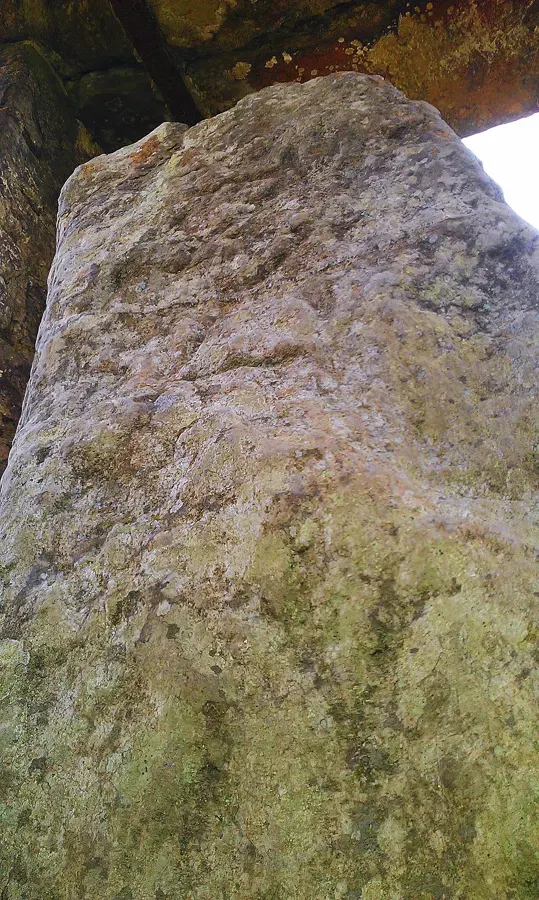
Illustrative stock photograph: Latin engraving on the Caratacus Stone.jpg by Ethan Doyle White · CC BY-SA 3.0. Resized and converted to WebP. The photograph does not represent Marwaa’s work or a featured service location.
Acrostic memorial inscriptions carry two readings: the words across each line and a name or message formed by selected letters, often the initials down the left side. Choose this form only if both readings work. Keep the person's identity readable without solving the hidden message, and agree which line breaks must remain fixed. A later layout change can break the acrostic even when every word is spelled correctly.
A private connection can sit within a public epitaph without turning the entire memorial into a puzzle. The design job is to make the extra reading intentional while letting an ordinary visitor understand the dedication straight away.
What should the two readings say?
Write the visible epitaph and the hidden word as separate statements before fitting them together. The Poetry Foundation and Academy of American Poets describe acrostics through the relationship between line initials and a further word or name. That literary structure creates a constraint, not an obligation to use awkward language.
Choose whether the hidden reading is the person's name, a short family word or another clear idea. A long phrase may demand more lines than the memorial needs. If the visible verse becomes strained, shorten the hidden message or keep the acrostic in a separate written tribute instead.
Should the hidden message be explained?
An acrostic may be a quiet discovery, but the family should agree whether visitors are expected to find it. A subtle treatment can leave the additional reading private. Emphasised initials or a brief explanation can make it more apparent.
Neither approach should hide the essential identity of the person. Keep a normal name inscription and appropriate dates independent of the puzzle where those form the memorial's purpose. The family may understand a private code immediately, while a future visitor or descendant sees only a poem. Decide what must remain clear without family knowledge.
Which line breaks are part of the writing?
In an ordinary paragraph, changing the line width may leave the meaning intact. In a first-letter acrostic, a new line can add or remove an initial and change the concealed reading. Give the designer an exact line-by-line text with an explanation of the intended result.
Ask what happens if the available face requires shorter lines. A continuation line may be mistaken for another acrostic initial. Compare indentation, a smaller selection of text or a simpler layout with the memorial professional. Do not shrink the whole poem until it becomes unreadable merely to preserve an early draft.
How should wording be edited?
Read the visible poem aloud without looking at the initials. Does it still say what the family means? Then check the hidden reading separately. A word can fit the required letter while sounding unlike the person or implying an unintended belief.
Avoid filling a difficult initial with a grand claim that the family would not otherwise make. Original wording can be plain. If using an existing poem, keep the author's words and rights questions separate from your wish to create an acrostic. Rearranging another person's verse is not simply a layout adjustment.
What does translation change?
A translation can preserve the message of a poem while changing its initials. Do not assume that both readings will survive in another language. A qualified language reviewer and the writer should explain whether the second version is a translation, a newly composed acrostic or ordinary explanatory text.
Keep the accepted visible text and hidden reading together in the family record. The Design Studio can help discuss where a short verse belongs, but its preview does not verify the literary structure. The poem-fitting guide addresses the wider space decision.
Compare the practical choices
| Choice | Question to settle |
|---|---|
| Quiet acrostic | May the second reading stay a private discovery? |
| Emphasised initials | Will the cue help without overwhelming the epitaph? |
| Long hidden message | Does it force too many lines or unnatural wording? |
| Translated version | Which meaning is preserved, and which structure changes? |
A decision in practice
A family drafts a short verse whose initials spell a familiar name. The visible lines read naturally, but a new layout wraps the second line. That continuation creates an extra apparent initial and breaks the intended pattern.
The writer and designer compare a shorter second line with an indented continuation. They choose the shorter wording because it also reads more clearly on its own. The person’s full name remains above the verse. The acrostic becomes an additional connection rather than the only way to identify the memorial.
Key Takeaways
- An acrostic should work as ordinary text and as an intentional second reading.
- Line breaks are part of the writing when initials form the hidden message.
- Translation and reflow can alter the acrostic even when the visible meaning seems unchanged.
Frequently Asked Questions
Must visitors solve the acrostic?
No. The extra reading can remain subtle, while the main identity and dedication stay clear.
Can a line wrap normally?
A continuation may add an unintended initial. Agree how the actual layout preserves the chosen structure.
Does translation preserve the initials?
Not automatically. Ask the writer and language reviewer what the translated version is intended to retain.
Next step
Read How to Write an Epitaph: A Step-by-Step Guide while shaping your discussion with the memorial professional. Families can use that discussion to identify a suitable local provider; dealers should confirm the actual supply scope before seeking a trade quotation.
Read More
Sources and context
A Note on This Guide
This is a literary and layout guide for a newly agreed inscription. It supplies no borrowed epitaph, rights determination or translation guarantee. Check both readings with the family and relevant writer or language reviewer, then confirm the actual memorial layout and site acceptance.
Published by Marwaa Team for Marwaa Memorials (marwaamemorials.com) · Published 2026-11-25 · Updated 2026-11-25 Marwaa Memorials is a factory-direct exporter of bulk granite monuments and headstones, shipping to monument dealers, funeral homes, and importers across North America.
Related guides

Headstone Ideas for a Puzzle or Crossword Lover

Multiple Names on a Memorial: Set the Reading Order

Obelisk Inscriptions: Give Each Face a Purpose
How to Fit a Long Name on a Headstone
Memorial Design With and Without Flowers