Plan a Cemetery Visit Around Mobility Needs
Plan an accessible cemetery visit by asking about the actual route, parking, surfaces and available assistance before travelling.
By Marwaa Team · Editorial standards · Published · Updated
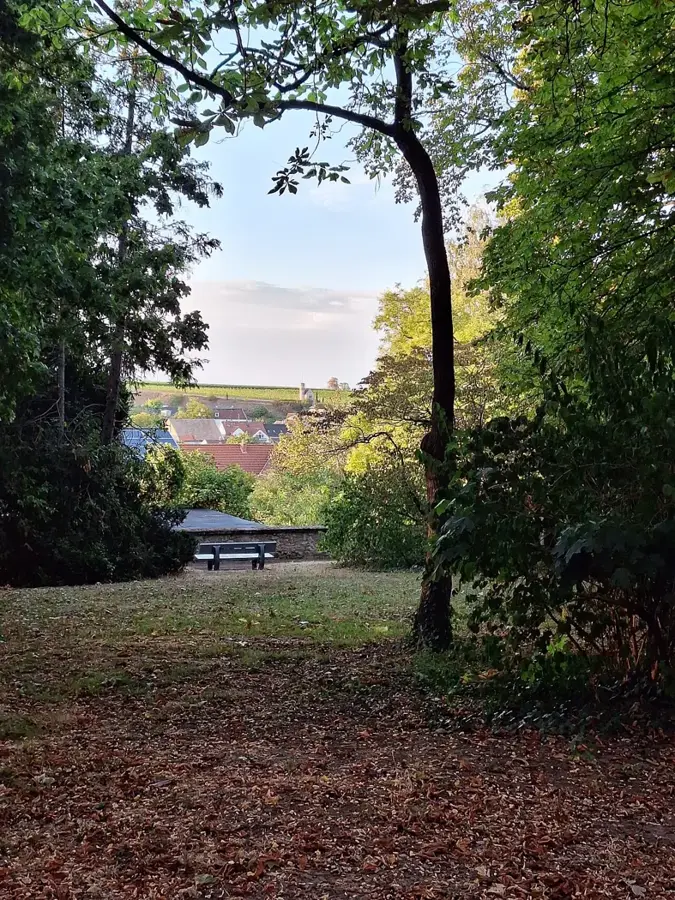
Illustrative stock photograph: 20260809 201422 Cemetery Osthofen, Germany, View on Bench Besides Memorials as Place to Get Together.jpg by JulienWittenberg · CC BY-SA 4.0. Resized and converted to WebP. The photograph does not represent Marwaa’s work or a featured service location.
An accessible cemetery visit starts with the person’s needs and the actual route to the grave. Ask the operator about parking, surfaces, slopes, gates and available help. A general statement that a cemetery is accessible does not establish that every plot can be reached comfortably or safely on the day you plan to visit.
Start with the visitor’s priorities
Ask what would make the visit manageable: a shorter walk, a place to rest, room for a mobility aid or an alternative way to see the memorial. Let the person decide which details matter. Do not assume that one visitor’s experience describes everyone with a similar condition.
Keep the enquiry practical without sharing unnecessary medical information. A description of the route requirements often answers the planning question. If the cemetery needs more detail to discuss support, ask what information is relevant and who will receive it.
Ask about the complete route
The journey includes the arrival point, the gate, any path and the final approach. A paved main road may not continue to the grave. Ask whether the route changes after rain, during grounds work or in winter. Tell the office which section you intend to visit.
Request factual descriptions rather than only a yes-or-no accessibility label. “There is a gravel path followed by grass” gives a visitor more information than “it should be fine.” If staff cannot assess a particular need remotely, discuss another way to gather the route information.
Prepare a route question sheet
| Part of visit | Question for the operator |
|---|---|
| Arrival | Where may the visitor park or be dropped off? |
| Entry | Are gates open at the planned time, and what access arrangements apply? |
| Main route | What surfaces, slopes or narrow points are present? |
| Final approach | Can the memorial be viewed without leaving the permitted route? |
| Rest | Where are suitable stopping places or facilities? |
| Support | What help can staff actually provide, if any? |
| Changes | Who can confirm conditions shortly before travel? |
Avoid converting answers into an accessibility certification. The visitor still needs to decide whether the described route suits them, and conditions can change after the enquiry.
Confirm assistance rather than assuming it
Ask whether staff can help with directions, a closer permitted arrival point or another site-specific arrangement. Confirm the booking process and limits. Do not arrive expecting a staff member to provide physical assistance or equipment that was never agreed.
The American Battle Monuments Commission’s visit-planning page directs visitors to site information and contacts. It is useful as an example of checking a specific operator. It does not describe every cemetery in Canada or the United States.
For a working dog and handler, plan an assistance-dog cemetery visit.
Plan a meaningful alternative
A visit can still have value if the final approach is unsuitable. Consider a view from a permitted path, a quiet moment elsewhere in the grounds or a requested photograph of the memorial. Discuss the option with the person rather than treating it as a lesser version of the visit.
The grave photo request guide explains how to ask for useful images. If this new guide is not yet in your saved reading list, the existing headstone photography article provides the basic image-record context.
For a focused design decision, see Braille on a Memorial: Plan for Real Touch Reading.
For a focused design decision, see Memorial Labyrinth: A Walkable Path or Stone Motif?.
Example: a route is suitable only in dry conditions
Suppose the cemetery describes a firm main path and a grass approach that becomes soft after rain. The visitor may decide to postpone, remain on the path or request a photograph. None of those choices needs to be justified as a failure to visit properly.
Record the office’s description and the date it was supplied. Check conditions again near the planned visit. Avoid asking an accompanying relative to improvise lifting or carry someone across ground that neither person considers safe.
Make the plan easy to change
Choose a simple way to check in with the group on the day. Keep the office number, location reference and agreed arrival point together. If fatigue, weather or site work changes the plan, use the alternative without pressure to complete every step.
Our cemetery etiquette guide covers shared use of the grounds. The what-to-bring guide offers general visit preparation. Neither replaces a site-specific discussion about the route. A thoughtful visit plan leaves room for the person’s own comfort and decision.
Key Takeaways
- Accessible cemetery visit planning should address the complete route to the intended memorial.
- Confirm any available assistance in advance rather than assuming staff or equipment will be present.
- A path-side visit or a requested photograph can be a valid alternative if the final approach is unsuitable.
Frequently Asked Questions
Does an accessible cemetery entrance mean every grave is reachable?
No. Ask about the specific route and final approach to the intended grave.
What information should I give the office?
Describe the practical route and support needs without sharing more personal information than necessary.
What if conditions change on the day?
Reassess the visit and use a planned alternative or postpone. Do not improvise unsafe access.
Next Step
Prepare the route questions using the cemetery visit checklist before contacting the site office.
Read More
- Cemetery Etiquette: How to Visit a Grave Respectfully
- What to Bring When Visiting a Grave
- How to Photograph a Headstone for Records and Genealogy
A Note on This Guide
This is a planning checklist, not an accessibility assessment or a statement of legal compliance. Operators and routes differ. Ask the cemetery about the particular site and let the visitor decide what arrangements suit their needs.
Published by Marwaa Team for Marwaa Memorials (marwaamemorials.com) · Published 2026-11-21 · Updated 2026-11-21 Marwaa Memorials is a factory-direct exporter of bulk granite monuments and headstones, shipping to monument dealers, funeral homes, and importers across North America.
Related guides

Visiting a Cemetery With an Assistance Dog

When Snow Covers a Grave Marker: Plan the Visit
How Often Should You Visit a Grave?

Taking Children to Visit a Grave

Is It Okay Not to Visit a Grave?