Memorial Planning When Burial Is in Another Country
Plan a local memorial when burial is overseas, keeping the burial location, host permission and monument order separate from repatriation arrangements.
By Marwaa Team · Editorial standards · Published
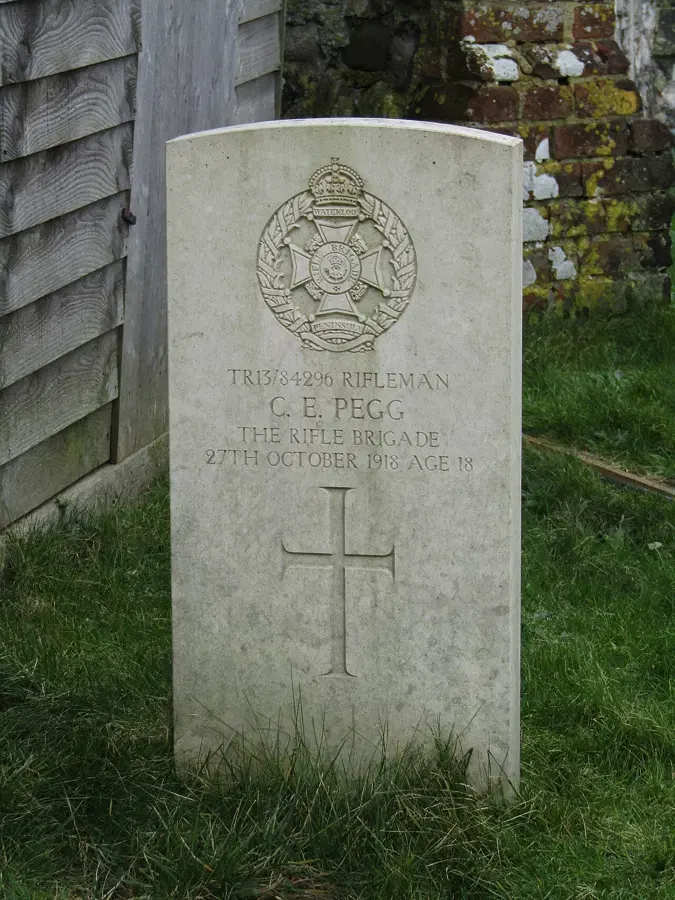
Illustrative stock photograph: -2022-02-03 CWGC gravestone of Charles Edward Pegg, All Saints Churchyard, Beeston Regis, Norfolk.JPG by Kolforn (Kolforn) I'd appreciate if you could mail me (Kolforn@gmail.com) if you want to use this picture out of the Wikimedia project scope. This file is licensed under the Creative Commons Attribution-Share Alike 4.0 International license. You are free: to share – to copy, distribute and transmit the work to remix – to adapt the work Under the following conditions: attribution – You must give appropriate credit, provide a link to the license, and indicate if changes were made. You may do so in any reasonable manner, but not in any way that suggests the licensor endorses you or your use. share alike – If you remix, transform, or build upon the material, you must distribute your contributions under the same or compatible license as the original.https://creativecommons.org/licenses/by-sa/4.0CC BY-SA 4.0 Creative Commons Attribution-Share Alike 4.0 truetrue · CC BY-SA 4.0. Resized and converted to WebP. The photograph does not represent Marwaa’s work or a featured service location.
When burial is in another country, a local memorial can provide a separate place of remembrance. It should accurately state its role rather than imply a burial beneath it. Confirm the final disposition and the local host's agreement before ordering stone. Transporting remains and supplying a memorial are different processes handled by different professionals.
Which country has the burial, and which has the memorial?
Start by distinguishing the actual burial from the place where relatives want to visit. The two may be in different countries without either place being less meaningful. Problems arise when paperwork, family announcements or inscriptions describe both as the burial location.
If the final arrangements are still uncertain, keep the memorial wording open. A stone commissioned before the destination is settled can end up carrying an inaccurate location statement. A local object can simply remember the person while the official burial record gives the interment details.
The guide to a cenotaph explains a memorial without a burial. Here the additional issue is coordinating two hosts and two sets of arrangements across borders.
Who handles the remains?
Funeral professionals and the relevant authorities handle disposition and transport requirements. A monument dealer or granite exporter does not take over those roles because it can ship stone internationally. Do not place instructions for remains inside a monument freight order.
Canada's death-abroad guidance explains that local procedures and transport arrangements require qualified assistance. Its information concerns Canadian circumstances. Families connected with another country should use that country's consular and funeral guidance as well.
Avoid making travel, ceremony or installation promises based on an estimated repatriation date. The Canadian guidance specifically cautions about confirming a funeral date before returned remains clear customs. A memorial unveiling is another event and need not share the same schedule.
What must the local host agree?
A cemetery, church, employer or private property owner may host a memorial without accepting remains. Ask that question directly. Permission for a commemorative stone should identify its location, role, installation responsibility and future care.
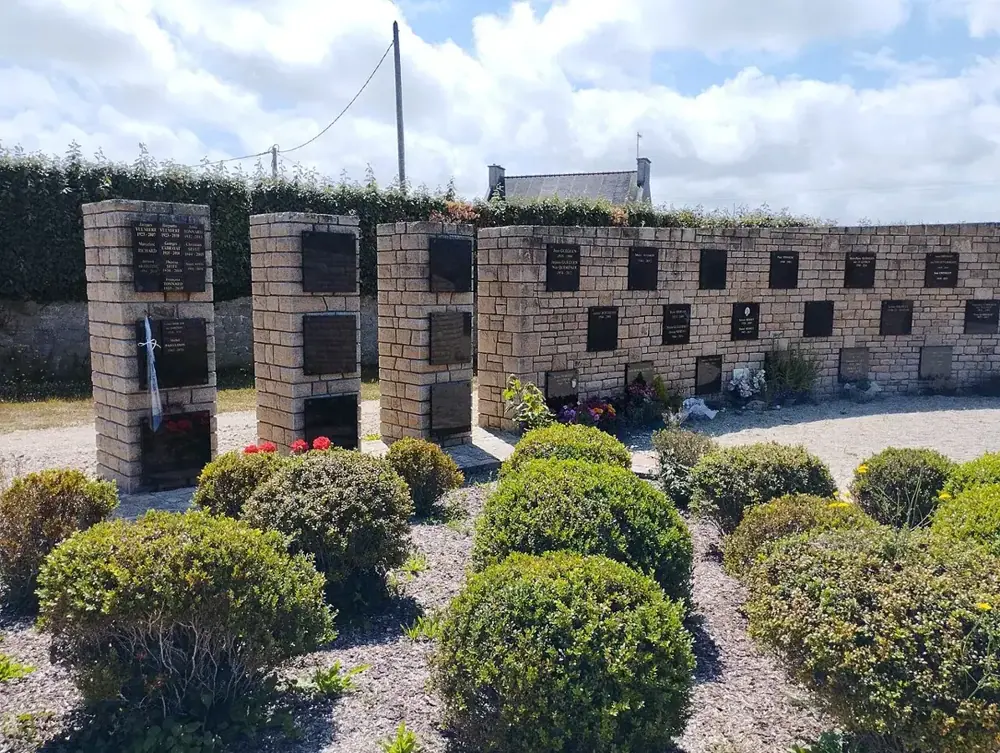
A cemetery's memorial-only programme may use a shared panel or another controlled form. For example, Surrey's cemetery information describes a memorial-only option. That is a specific municipal offering, not a service every cemetery provides.
| Separate task | Information needed | Main contact |
|---|---|---|
| Burial overseas | Verified cemetery and interment details | Overseas funeral professional and cemetery |
| Transport of remains | Current documents and carrier requirements | Funeral professional and authorities |
| Local memorial | Host agreement and approved wording | Local host and dealer |
| Stone manufacture | Approved dimensions, material and drawing | Monument dealer or trade supplier |
Can the two memorials look different?
Yes. Each object needs to fit its own setting. A local remembrance stone does not have to imitate a grave marker overseas. Different cemetery formats, available space and maintenance arrangements may make identical stones impractical.
Use consistent identity details where appropriate, but verify them through the family and records rather than copying a poor photograph. Names may appear in different scripts or date formats. The dealer should obtain an approved text for each object instead of treating one language version as an automatic translation of the other.
If a location statement is included, distinguish the place of burial from the place of remembrance. Do not carve an address or a travel instruction that is likely to change. A separate family record can carry practical directions and contact details.
How can relatives find the correct place?
Give relatives the overseas cemetery's official name and reference, and separately explain where the local memorial stands. A photograph of a stone alone may not identify either location. Be clear if the local site is private or accessible only during particular opening hours.
Online entries should reflect verified disposition information. Find a Grave's creation guidance is useful for its platform, but a digital entry does not replace the foreign cemetery's own record. Avoid creating conflicting burial claims simply to make the person searchable in both countries.
What should the dealer receive?
For the local stone, provide the host's approved memorial requirements and final wording. For a stone intended for export, identify the destination requirements separately. Neither order should depend on assumptions about the other country's rules.
Marwaa's FAQ explains its trade-supply context. Families should work with local funeral and monument professionals for installation and cemetery coordination. A clear division of responsibility allows the local memorial to serve the family without becoming entangled with the separate process of repatriation.
Key Takeaways
- Identify the real burial location separately from any local memorial-only site.
- A granite exporter does not handle authority or documentation for transporting remains.
- Each host must approve the memorial intended for its own setting.
Frequently Asked Questions
Can a local stone name someone buried overseas?
A memorial-only stone can do so where the host accepts it. Its wording should not imply a local burial that did not occur.
Should both stones match?
They do not have to. Each cemetery or host may require a different form or inscription format.
Can a monument supplier arrange repatriation?
Do not assume that service. Remains transport needs the relevant funeral professionals and authorities, separate from stone freight.
For the next part of this decision, read A Memorial Without a Burial: Cenotaphs and Remembrance Stones.
Read More
- A Memorial Without a Burial: Cenotaphs and Remembrance Stones
- How to Order a Headstone for a Cemetery in Another City or Province
A Note on This Guide
This guide addresses two memorial locations, not cross-border transport instructions. Confirm current disposition, consular and cemetery requirements in both countries; a local remembrance object creates no burial or access rights.
Published by Marwaa Team for Marwaa Memorials (marwaamemorials.com) · Published 2026-11-25 · Updated 2026-11-25 Marwaa Memorials is a factory-direct exporter of bulk granite monuments and headstones, shipping to monument dealers, funeral homes, and importers across North America.
Related guides

Visiting a Grave in Another Country

Family Memorial Names and Burial Records Compared
Planning a Family Plot

Burial vs Cremation: Memorial Options Compared

Cenotaph Wording When the Burial Is Elsewhere