
Monument Transloading vs Direct Container Delivery
Compare monument transloading with direct container delivery using cargo transfers, receiving ability, route costs and responsibility at each handoff.
By Marwaa Team · Published
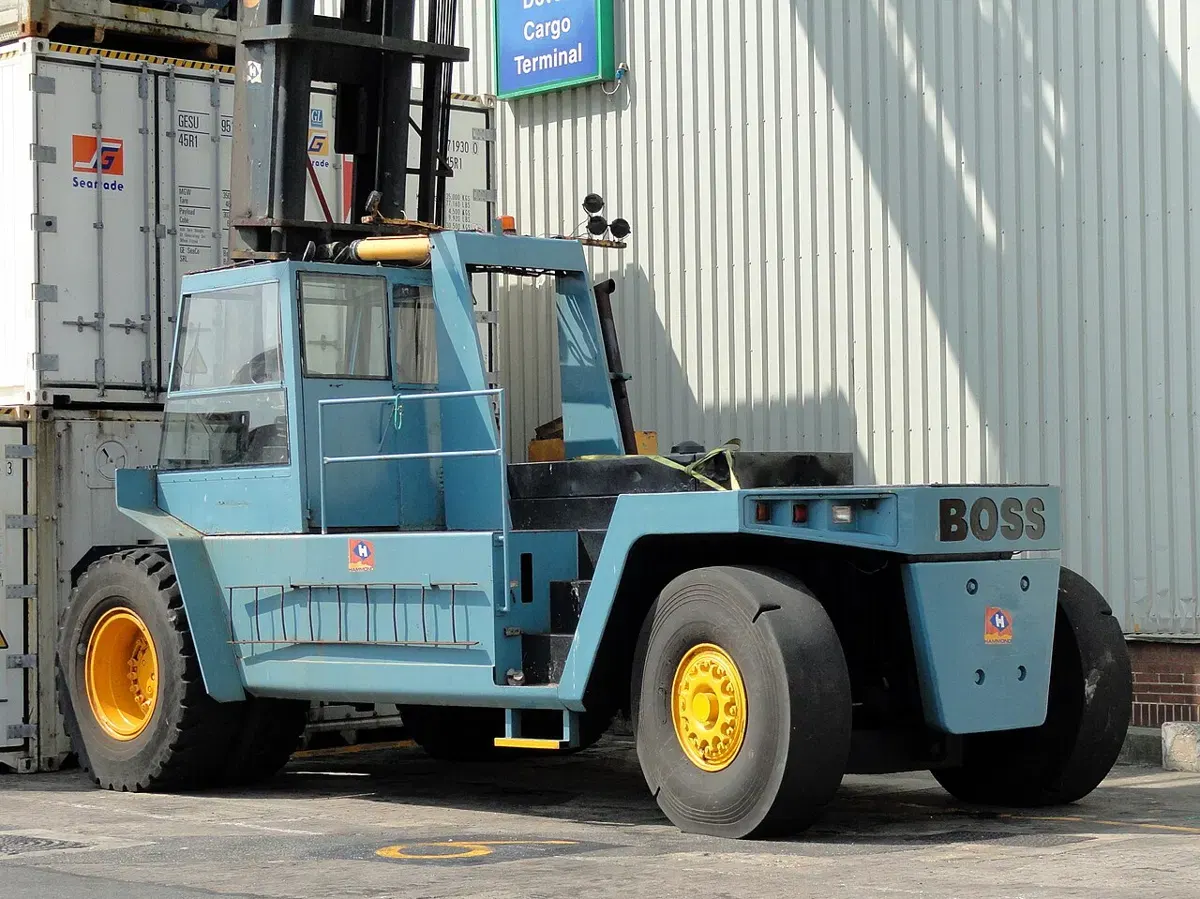
Illustrative stock photograph: BOSS SISU forklift at Dover pic3.JPG by AlfvanBeem · CC0. Resized and converted to WebP. The photograph does not represent Marwaa’s work or a featured service location.
Monument transloading transfers cargo between transport units, while direct container delivery keeps the booked container moving to its agreed receiver. Compare the full route, receiving capability and added cargo handoffs before choosing. Neither method is automatically cheaper or safer for every monument order. The provider must assess the actual crated stone and explain its proposed service.
What changes when a monument load is transloaded?
The goods leave one transport unit and enter another as part of the route. This differs from moving a closed intermodal container between ship, rail and truck. That distinction matters because the dealer needs to know whether the packages themselves receive another handling stage.
Ask the provider what it means by transloading in this quotation. It may describe a simple transfer or include sorting, storage and separate outbound deliveries. A familiar service name does not identify every action, location or responsible party.
When can direct container delivery fit the order?
A direct arrangement can suit a receiver that accepts the container and has an agreed professional receiving process. It may preserve one transport unit through the relevant inland leg. However, the actual yard, booking, equipment availability and return arrangements still need review.
Do not assume a dealer address can receive every ocean container simply because it accepts ordinary trucks. Send the actual package and route information to the responsible provider. This guide offers no unloading method, lifting capacity or suggested vehicle placement.
Which comparison belongs in a route decision?
| Question | Direct container proposal | Transloading proposal |
|---|---|---|
| Cargo handoff | Where does the receiver first access the packages? | Where does the cargo transfer occur? |
| Receiving ability | Can the final facility accept the unit? | Can each facility accept its assigned leg? |
| Service scope | Which inland and equipment-return work is included? | Does transfer include storage or sorting? |
| Evidence | Which condition and receipt records are supplied? | Which records connect the incoming and outgoing cargo? |
Ask the provider to complete the comparison from its proposal. Do not fill gaps with assumptions about a competing service.
How should the commercial comparison work?
Compare the same goods, destination and completion boundary. A low transfer price may omit the onward move. A direct-container rate may depend on receiving arrangements that the buyer cannot supply. Include the relevant agreed service lines, while leaving unknown charges visibly unresolved.
Ask which party approves changes if a facility cannot receive the load. Route design and responsibility should remain connected. A substitute transfer point can change both the physical journey and the documents needed to trace it.
How do you protect identification through a transfer?
Keep component and package references intact across the change of vehicle. Ask how the provider identifies matching tablets and bases if the load divides into several outbound consignments. An incoming container number alone will not identify each later delivery.
Request a clear handoff record appropriate to the service. That record should connect the received packages with the outbound references and note visible exceptions. It is not proof that hidden damage did or did not exist, and it should not ask untrained staff to inspect unsupported stone.
What does a mixed-destination example show?
Imagine one container holding stock for two dealer facilities. Direct delivery to one facility may require a separate later move for the second allocation. A transload proposal might instead create two outbound loads at a transfer facility. The useful comparison includes both completed routes, not just the first arrival.
If one dealer is not ready, ask whether its goods need storage and who authorizes that decision. Do not treat a planned same-day transfer as free long-term warehousing. Keep that exception within the provider's actual agreement.
Which sources explain the service distinction?
Maersk's transloading explanation introduces the transfer service. Its warehousing and distribution page shows that transfer and storage can form different services. ICC's delivery-rule guidance helps separate the transport plan from the sale's delivery allocation.
Use Marwaa's delivery information to begin the supplier discussion, then ask for the actual route proposal. The decision should rest on identified handoffs and suitable receiving services, not a claim that fewer kilometres or fewer quoted lines always produce the better result.
Key Takeaways
- Transloading involves a cargo transfer, not merely a closed-container change between transport modes.
- Compare complete routes to the same final receiving boundary.
- A transfer quotation should distinguish handling, sorting, onward transport and storage.
Frequently Asked Questions
Is transloading the same as intermodal transport?
Not necessarily. Ask whether the goods leave the transport unit or the closed container changes transport mode.
Is direct container delivery always cheaper?
No. Compare the actual receiving arrangement and complete route scope.
Does a transloading quote include storage?
Only if the accepted service says so. Ask about delayed onward delivery.
For a bulk monument programme, request a trade quotation with the product requirements and the route questions raised in this guide.
Read More
- Granite Monument Shipping: FCL vs LCL Containers, Ocean Freight Costs & Port Timelines [2026]
- Name the Delivery Point in a Monument Freight Quote
- Monument Crate Labels: Map Components Without Guessing
A Note on This Guide
This is a commercial route comparison, not cargo-handling advice. Qualified providers must assess the actual packages, facilities and equipment. No method can be selected from the product description alone.
Published by Marwaa Team for Marwaa Memorials (marwaamemorials.com) · Published 2026-11-23 · Updated 2026-11-23 Marwaa Memorials is a factory-direct exporter of bulk granite monuments and headstones, shipping to monument dealers, funeral homes, and importers across North America.
Related guides
Monument Container Weight: The Verified Gross Mass Brief

Container Seal Mismatch: A Monument Receiver’s Report
Granite Monument Shipping: FCL vs LCL Containers, Ocean Freight Costs & Port Timelines [2026]

DAP Granite Monument Delivery Explained: Factory-Direct Shipping to Canada and the USA [2026]

Name the Delivery Point in a Monument Freight Quote
