Monument Tariff Classification: When to Seek a Ruling
Monument tariff classification starts with the actual goods, not a familiar code copied from another invoice. A customs ruling can help resolve a specific uncertainty before repeated orders rely on it. Describe the material, form and work completed, then ask the appointed customs professional whether existing guidance is sufficient or a formal ruling is appropriate for the destination market.
By Marwaa Team · Editorial standards · Published
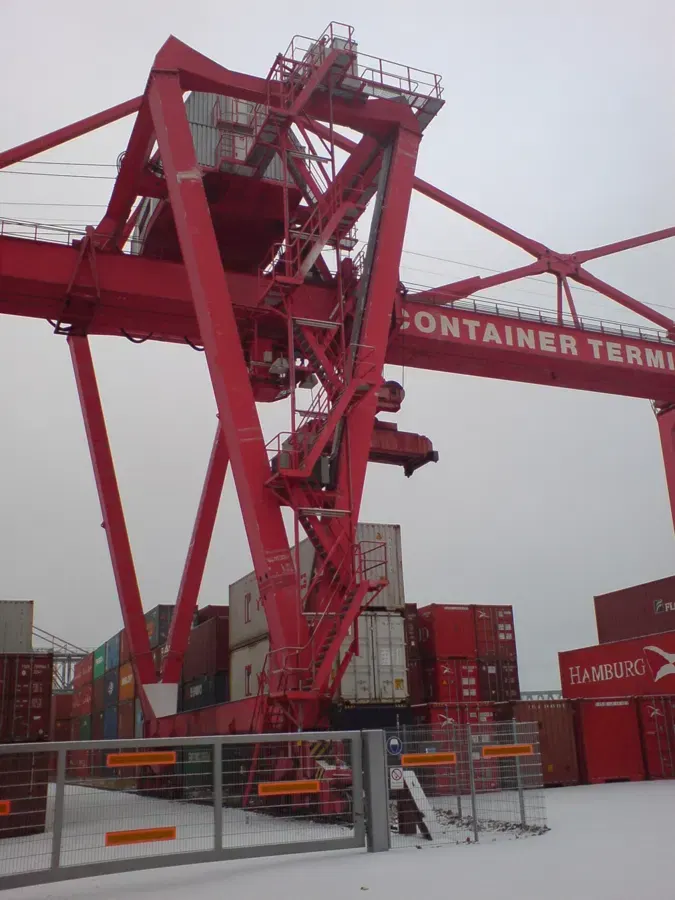
Illustrative stock photograph: Container Crane Mainz Port II.jpg by Ingolfson · Public domain. Resized and converted to WebP. The photograph does not represent Marwaa’s work or a featured service location.
Monument tariff classification starts with the actual goods, not a familiar code copied from another invoice. A customs ruling can help resolve a specific uncertainty before repeated orders rely on it. Describe the material, form and work completed, then ask the appointed customs professional whether existing guidance is sufficient or a formal ruling is appropriate for the destination market.
What makes a monument classification question uncertain?
A shipment description such as granite products leaves important facts unanswered. The consignment may contain finished tablets, unworked material, bases, separately supplied vases or parts made from another substance. A commercial collection name does not explain those differences to a tariff specialist.
Describe what each item is when imported. Later engraving at the dealer's shop is a different fact from engraving already completed abroad. Photographs should show the actual product form, while drawings should identify dimensions and component relationships. If the material identity remains uncertain, resolve that factual issue before expecting a dependable classification answer.
Is a published ruling enough?
A published ruling can reveal which facts mattered in an earlier decision. It does not establish that a different shipment has identical facts or that every part of the older decision remains current. Read the reasoning and product description rather than extracting only the code.
The US administrative-ruling rules describes formal decisions for specific transactions. A US decision should not be treated as a Canadian national classification. Although countries share the international Harmonized System structure, destination-specific provisions still require review.
What should the professional assess before requesting a ruling?
First state the unresolved question. Is it the material, the degree of working, the identity of an assembled article or the treatment of separately supplied components? A focused question makes it easier to see whether the existing factual description needs improvement.
Next establish who has authority to seek the decision and which procedure fits the jurisdiction. Ask about confidential business information before sending supplier drawings or production details. The party preparing the submission should decide what evidence belongs in the request and how official correspondence will reach the importer.
| Evidence | What it helps establish | What it does not establish alone |
|---|---|---|
| Material identification | What the article consists of | Final classification |
| Product photographs | Form and visible working | Full production history |
| Technical drawing | Dimensions and assembly | Current tariff treatment |
| Earlier ruling | Reasoning for described facts | Automatic coverage of another article |
How should an importer use a favourable answer?
Connect the decision to the goods it actually describes. Preserve the specification and supporting evidence that explain the match. A brief note saying code approved can become misleading after the product changes.
Suppose a dealer first imports a plain stone blank and later orders an assembled memorial with a separate metal feature. The change deserves review. Neither the supplier nor dealer should assume that the earlier answer settles the new combination simply because the catalogue family has the same name.
The US broker handoff guide explains how factual information reaches the appointed professional. Classification is the professional assessment that follows that handoff, rather than a field the dealer should fill through guesswork.
Does classification settle the total import charge?
Classification is one part of the assessment. Origin, value, entry timing and other applicable measures can also matter. A decision on the product heading should not become a promise that the entire shipment is duty free or that no later review can occur.
For Canada, use the CBSA advance-ruling resources to identify the relevant process. Ask the professional to separate a classification conclusion from any statement about current rates or preferential treatment. Those statements should have their own factual and legal basis.
What is the practical buying decision?
A recurring product line with a genuine unresolved issue may justify resolving that issue before the business scales its orders. A new importer should discuss the uncertainty early enough that the purchasing plan can respond to the answer. Do not assume that submitting a request suspends every other obligation.
Marwaa's export information provides a starting point for discussing the goods and destination. The supplier can clarify what is manufactured and shipped; the appointed customs professional determines how to approach the import question. Keep those roles clear when deciding whether to place a repeat order.
Key Takeaways
- Classify the actual imported article rather than a catalogue label.
- A published ruling needs a factual match and current review.
- Classification does not by itself settle origin, value or every import charge.
Frequently Asked Questions
Can we copy a competitor’s tariff code?
Use it only as a question for the customs professional, not as evidence that your goods share the same classification.
Does a US ruling classify a Canadian shipment?
No. The Canadian treatment needs its own applicable guidance or decision.
Should we seek a ruling for every order?
Ask whether there is a genuine unresolved issue and whether the existing guidance covers the actual product.
For a bulk monument programme, request a trade quotation with the product scope, destination and the specific questions discussed here.
Read More
- US Monument Imports: Prepare the Customs Broker Handoff
- Granite Monument Invoices: Describe the Goods Clearly
- Monument Origin vs Shipping Country: Know the Difference
A Note on This Guide
This guide explains classification decisions and evidence. It does not assign a tariff code, promise a ruling outcome or state a current duty rate. Confirm the relevant procedure with CBP or CBSA and the appointed professional.
Published by Marwaa Team for Marwaa Memorials (marwaamemorials.com) · Published 2026-11-25 · Updated 2026-11-25 Marwaa Memorials is a factory-direct exporter of bulk granite monuments and headstones, shipping to monument dealers, funeral homes, and importers across North America.
Related guides
Monument Imports: Check Trade Remedy Product Scope

Granite Monument Invoices: Describe the Goods Clearly

Monument Customs Value vs Cargo Insured Value
Monument Customs Value: Buyer-Supplied Assists

Monument Quote Forms: Ask Enough Without Asking Everything