Monument Product Alt Text: Describe Useful Differences
Write monument product alt text that explains the image’s useful role without guessing the stone’s origin, condition or manufacturing claims.
By Marwaa Team · Editorial standards · Published
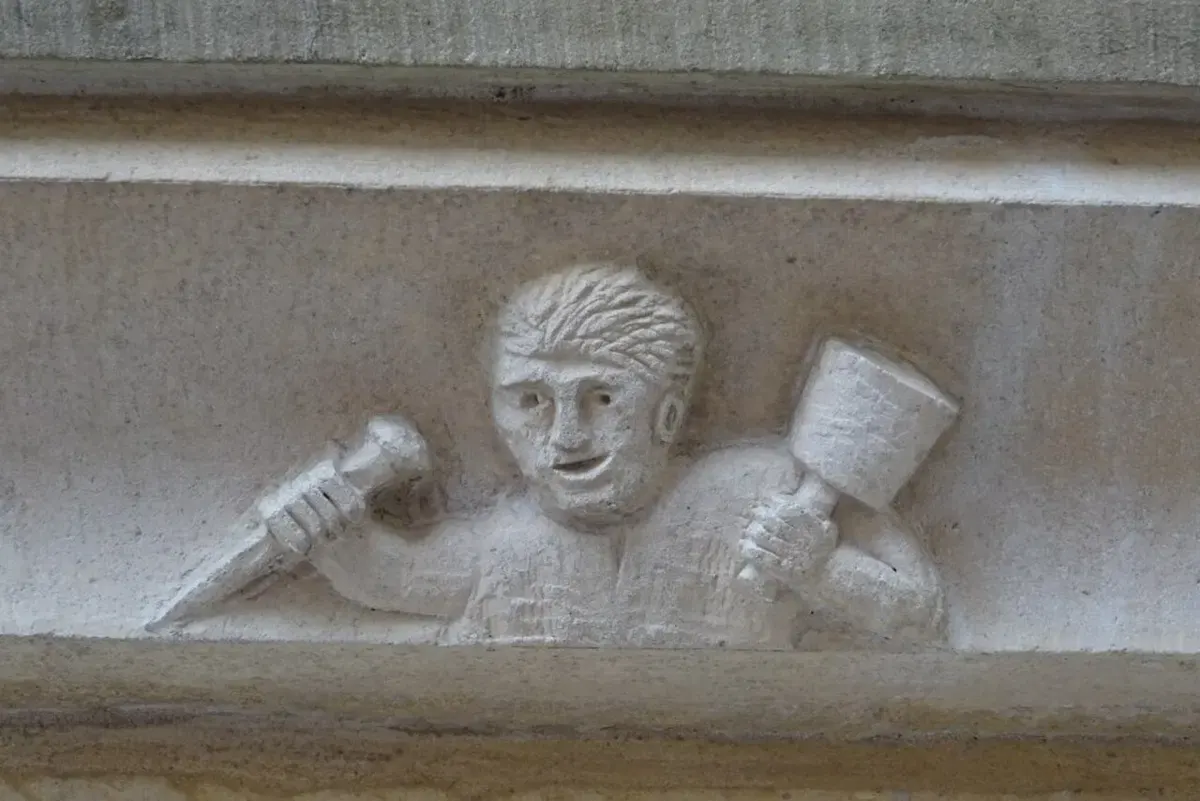
Illustrative stock photograph: Carving of a stonemason - geograph.org.uk - 6086590.jpg by Philip Halling · CC BY-SA 2.0. Resized and converted to WebP. The photograph does not represent Marwaa’s work or a featured service location.
Monument product alt text is part of explaining an image to someone who may not see it. It is not a hidden space for a long keyword list. Decide what the image contributes on that particular page, then write a concise alternative that serves the same purpose.
What should monument product alt text explain?
An informative product image may show a curved tablet, a rough edge or the relationship between a tablet and base. Describe the differences the reader needs for the surrounding comparison. The product reference and full specification should remain available in the page text.
Avoid giving every image the same phrase, such as “quality granite headstone.” It does not distinguish a slant marker from an upright or explain why a detail view exists. A repeated sales claim is not a useful account of the visible information.
The W3C image tutorial explains that image purpose and context affect the alternative needed. An image that links somewhere also needs an appropriate functional description; a purely decorative image has a different role.
Use confirmed details and visible features
If the page identifies the approved product reference and material, the description can use that information accurately. If the image is an illustrative stock photograph, do not call it a Marwaa installation or a specific offered product without evidence.
| Image role | Example of useful information | Avoid |
|---|---|---|
| Whole product | Form and visible component relationship | Unsupported quality claims |
| Finish detail | The surface detail being compared | Guessing geological identity |
| Engraving example | Layout or lettering feature | Copying private text unnecessarily |
| Linked thumbnail | The product or action reached | A filename with no meaning |
| Decorative banner | No unique product information | Adding a long description just for SEO |
The examples describe writing decisions, not universal wording to paste on every photograph. The right text depends on the page and what already appears beside the image.
Keep important facts outside the image alternative
A reader should not need to inspect alt text to find the only dimensions or excluded-work note. Put those facts in the product description. The alternative can then explain the visual information without carrying the entire catalogue entry.
If a drawing shows a complex dimension relationship, a short alternative may need a fuller nearby explanation. Do not compress a manufacturing schedule into one enormous attribute. Check that the description and labelled drawing refer to the same version.
The SKU guide keeps product references stable. Use those references in the wider page so a visitor can enquire about the exact product rather than describe it from memory.
Respect the purpose of a memorial photograph
A portfolio image may show a family's completed memorial. The public page needs appropriate publication permission and context. It does not automatically need a full transcription of names and dates in an image alternative.
Ask what the page is trying to explain. If the point is a carved border, describe that feature rather than adding unrelated personal details. If an inscription is the actual subject, review the appropriate way to provide its text and permission.
The portfolio permission guide covers publication decisions. Alt text cannot repair a missing right to use a photograph or an unclear claim about who made the work.
Review the page as a complete experience
Read the heading, description, image alternative and link label together. If each repeats the same name several times, simplify where appropriate without removing the information the reader needs. Test the actual page through the relevant access methods.
The Marwaa product collection offers product context for a trade discussion. A dealer's own site should use descriptions that match its actual content and images, not copied claims from a different supplier.
For broader content guidance, W3C's writing tips explain clear labels and meaningful links. Good alternatives work with those elements. They do not guarantee rankings, make an image a verified product example or establish accessibility conformance by themselves.
Key Takeaways
- Write product alt text for the image’s actual purpose and page context.
- Keep essential dimensions and scope facts in ordinary product text.
- Do not infer origin, authorship or hidden quality from a photograph.
Frequently Asked Questions
Should every product image repeat the target keyword?
No. Use accurate, useful wording for its actual role rather than a repeated keyword list.
Can alt text replace the product specification?
No. Keep important product details accessible in the page text.
Should a portfolio photo list every visible personal detail?
Include only what serves the page’s legitimate purpose and has an appropriate publication basis.
Next Step
For a defined trade requirement, request a bulk monument quote with the product, scope and questions that need a supplier response. A quote enquiry starts a discussion; it does not authorize production.
Read More
- Selling Headstones Online: A Guide for Monument Dealers
- Memorial Portfolio Photos: Record Permission Before Use
- Monument Dealer SKU Names: A Practical Coding System
A Note on This Guide
This is writing guidance for image alternatives, not a full accessibility audit or a permission to publish an image. Test the actual page and confirm image rights and factual descriptions separately.
Published by Marwaa Team for Marwaa Memorials (marwaamemorials.com) · Published 2026-11-23 · Updated 2026-11-23 Marwaa Memorials is a factory-direct exporter of bulk granite monuments and headstones, shipping to monument dealers, funeral homes, and importers across North America.
Related guides
Accessible Monument Catalogues: Beyond an Image-Only PDF
Monument Origin Claims: Separate Stone and Work Locations
Monument Origin vs Shipping Country: Know the Difference
Monument Website Filters: Make Product Choices Clear
Environmental Claims for Monuments: Use Specific Evidence