How to Research Ancestors in a Cemetery
A beginner's guide to finding ancestors' graves and reading what headstones reveal — records, online databases, cemetery offices and on-site tips.
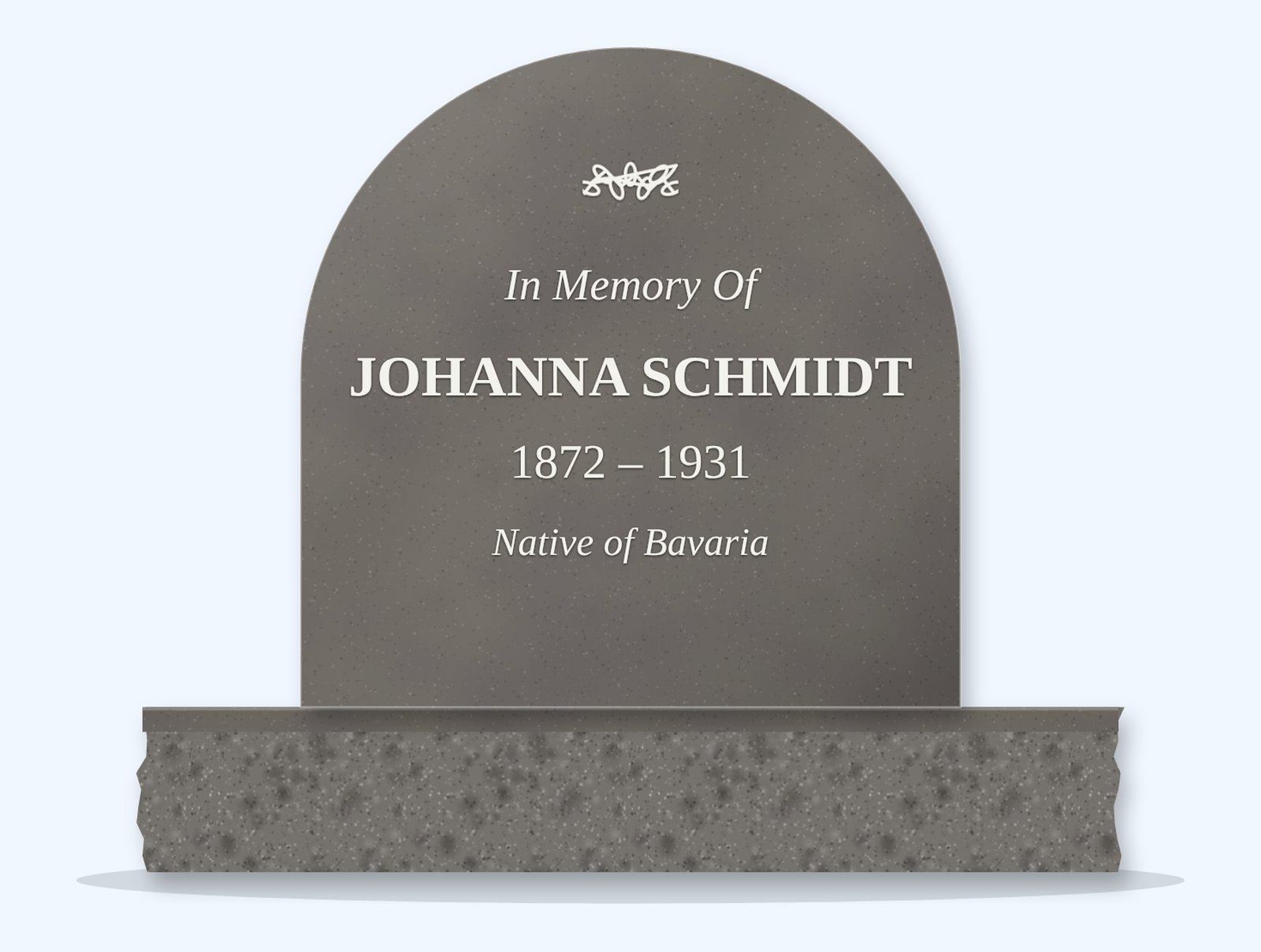
Cemeteries are some of the richest sources in family history. Headstones record names, dates, relationships, faith, origins and even occupations — often information found nowhere else.
Start with what you know
Gather names, approximate dates and places from family papers, obituaries and death certificates. Death records often name the cemetery. See how to find a grave location.
Use cemetery records
- Cemetery offices keep burial registers and plot maps.
- Church records list burials in churchyards.
- Local archives and genealogical societies often hold transcriptions.
- Online memorial databases have millions of photographed stones.
What headstones reveal
- Maiden names and family links — see maiden names on headstones.
- Origins — "Native of County Mayo".
- Faith and membership — symbols such as Masonic emblems.
- Military service — see military symbols.
- Children who died young, often on the parents' stone.
On-site tips
- Bring the plot map, water, a soft brush and a notebook.
- Photograph in raking light — see how to photograph a headstone.
- Never do rubbings on fragile stones or use chalk or shaving cream.
- Look at neighbouring graves — relatives are often buried nearby.
- See how to read a worn headstone.
Recording what you find
Good records save time later. For each stone, note the cemetery, section and plot, the full inscription exactly as carved — including spelling errors — and any symbols. Take a wide photo showing nearby graves as well as close-ups. Add GPS coordinates if you can. Share your findings with family and, if you're comfortable, with online memorial databases so other researchers benefit. A simple spreadsheet with one row per stone keeps everything searchable.
Key Takeaways
- Death records and obituaries often name the cemetery.
- Cemetery offices, churches and archives hold records.
- Headstones reveal origins, faith, service and relationships.
- Photograph gently; never damage old stones.
Next Step
Frequently Asked Questions
How do I find where an ancestor is buried?
Check death certificates, obituaries, church records and online memorial databases.
Can cemetery offices help with family history?
Yes, many have burial registers and plot maps.
Is it okay to do gravestone rubbings?
It's best avoided — rubbings can damage fragile stones. Photograph instead.
What can a headstone tell me about an ancestor?
Names, dates, relationships, origins, faith, service and sometimes occupation.
Ready to get pricing for your granite monument?
Request pricing, factory specifications, and DAP delivery timelines from our team.
Related guides
Visiting a Grave in Another Country
Readings and Poems for a Headstone Unveiling
How to Find Where Someone Is Buried
Private Family Mausoleums
Valentine's Day at the Cemetery