
Show a Historic Inscription Without Recutting It
Compare a separate inscription display or clearly labelled replica with recutting an original historic marker, while preserving uncertainty and source records.
By Marwaa Team · Published
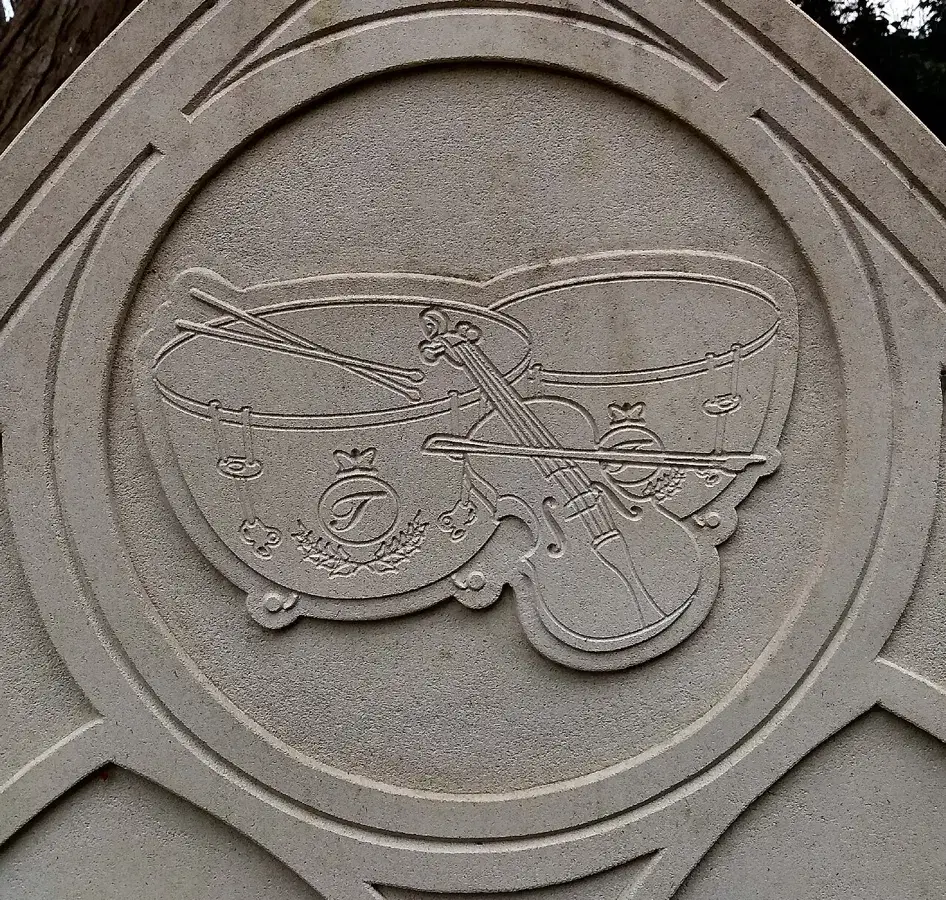
Illustrative stock photograph: St Peter's Church, Petersham, detail on headstone of Edward Croft-Murray.jpg by AndyScott · CC0. Resized and converted to WebP. The photograph does not represent Marwaa’s work or a featured service location.
A separate inscription display can help visitors understand a historic marker without recutting the original lettering. It must distinguish a transcription, interpretation or replica from surviving historic fabric. Ask the cemetery and suitable specialists about the actual proposal, preserve uncertain text and do not treat a new display as permission to alter or remove the original object.
Decide what the new display should explain
A visitor may need readable names, a translation or context about the memorial’s history. Those goals do not all require a physical replica. A plain text panel, a permitted digital resource or a family record can serve a different purpose from a copy of the whole stone.
Begin with the information need rather than the technology. Ask who will use the display and what they should understand about the original. A highly realistic copy may look convincing while making the distinction between old and new less clear.
Keep three kinds of information separate
| Information | What the display should communicate | Risk to avoid |
|---|---|---|
| Visible inscription | Text supported by the original observation | Presenting uncertain letters as fully legible |
| Historical transcription | Wording from an identified earlier record | Hiding the date and source of that record |
| Interpretation or reconstruction | A stated proposal based on evidence | Making a modern conclusion look like original fabric |
A clear source note can be short. It should tell a reader whether the display copies what survives now, uses an earlier source or contains an interpretation. The uncertain transcription guide provides a useful way to preserve unresolved characters.
Why is recutting a different decision?
Reworking original lettering changes the historic object. Supplying information beside it is a separate proposal, though that proposal still needs the site’s acceptance. The family should not assume that difficulty reading a stone makes recutting the appropriate first response.
The NPS treatment-standards resource distinguishes approaches to historic properties. Its reconstruction discussion stresses the role of evidence. These are conservation frameworks, not an automatic prescription or permission for a particular cemetery display.
Choose a form that stays honest about its age
If a physical replica is proposed, ask how its modern date and role will be identified. A future visitor should not need specialist knowledge to discover that the visible object is new. The record should also explain where the original remains and what work, if any, occurred.
A text panel can have the same issue if its wording appears to certify every disputed detail. Avoid a confident biography whose sources contain unresolved gaps. A restrained explanation can be more useful than a complete-looking account built on assumptions.
Obtain acceptance for the display itself
Ask about location, size, material and any support or attachment. Do not glue a panel to an old stone or place a new object on the plot while approval is pending. A free-standing item may still affect access, grounds work and the site’s character.
Keep the original marker assessment separate from the display’s product quote. A manufacturer can describe a new stone form, but that does not determine the historic object’s treatment. The historic replacement review helps keep those discussions distinct.
Example: an older photograph preserves a lost line
Suppose a reliable historical photograph shows a line that can no longer be read on the marker. A family wants visitors to know the full inscription. A separate display can identify the photograph’s date and explain which wording it supplies.
That approach does not make the lost line visible on the original today. The new display should not blur the two sources. Keep the old image, the transcription and the display proof together so a later researcher can check the reasoning.
Retain an interpretation record after installation
Save the accepted display text, sources, permissions, modern production date and completion photograph. Name the person or organization responsible for corrections. If later evidence changes an interpretation, ask how the display can be reviewed without silently rewriting the original record.
The conservation referral guide can help define specialist questions. The public plaque guide covers a new display’s host relationship. The aim is readable information that respects the surviving object and remains transparent about what is modern.
Key Takeaways
- A separate inscription display is a different proposal from recutting an original historic marker.
- Label the source of text and keep visible evidence, historical transcription and interpretation distinct.
- Identify modern replicas honestly and preserve the evidence behind the accepted display.
Frequently Asked Questions
Does a replica mean the original can be removed?
No. Original-object treatment and any display proposal need their own appropriate review and permissions.
Can uncertain letters be completed to make a panel look neat?
Keep uncertainty visible rather than presenting a guess as surviving text.
Is a realistic replica always the best display?
Not necessarily. Choose the form that explains the intended information clearly without confusing old and new.
Next Step
Use the historic replacement review to separate care of the original marker from any new interpretive display.
Read More
- Transcribing a Worn Headstone Without Guessing
- Before Replacing a Historic Headstone: Review Options
- Headstone Conservation Referral: What to Send
A Note on This Guide
This is interpretation planning, not a conservation method or approval to recut, cast, copy, attach to or move historic material. The site and suitable specialists should assess the actual object and proposed display.
Published by Marwaa Team for Marwaa Memorials (marwaamemorials.com) · Published 2026-11-23 · Updated 2026-11-23 Marwaa Memorials is a factory-direct exporter of bulk granite monuments and headstones, shipping to monument dealers, funeral homes, and importers across North America.
Related guides

Replacing a Headstone: What to Record Before Removal
A Family Headstone Decision Record: Agree Choices Without Losing Changes

Transcribing a Worn Headstone Without Guessing

Temporary Grave Markers: What to Use Until the Headstone Arrives
How to Honour a Loved One Without a Grave
