Granite Water Absorption and Staining: Different Tests
Granite water absorption and staining are related questions, but they are not the same test.
By Marwaa Team · Published
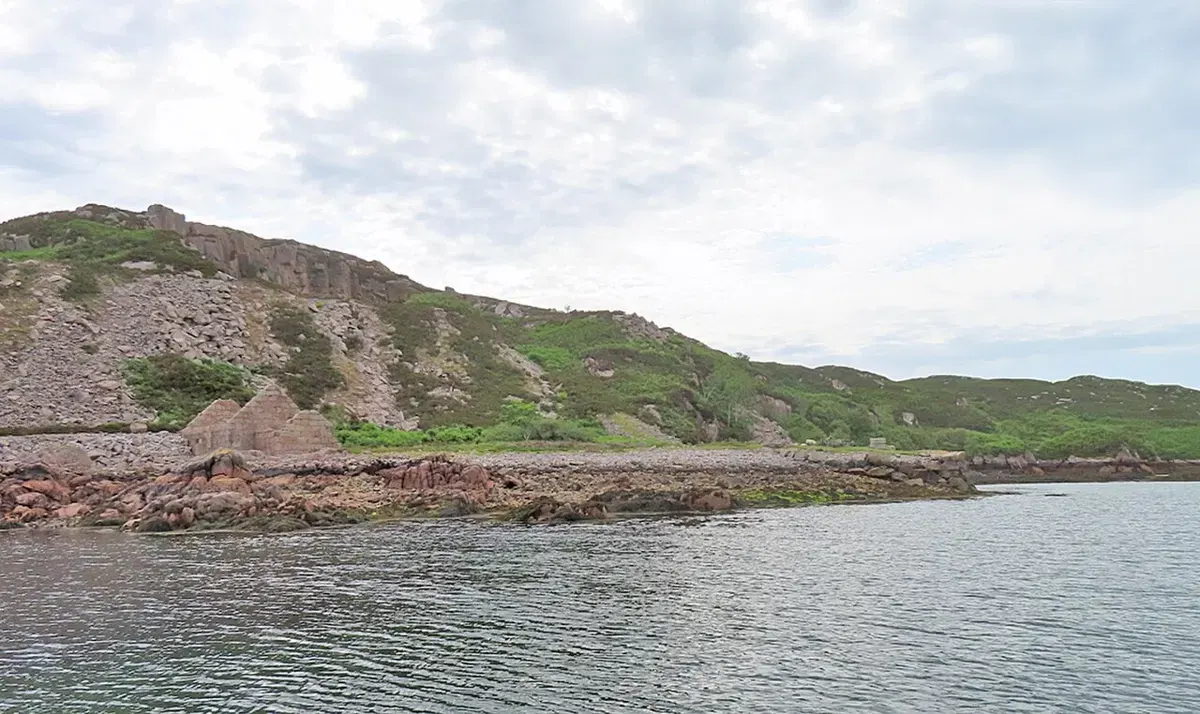
Illustrative stock photograph: Camas Tuath Granite Quarry - geograph.org.uk - 8352578.jpg by Anne Burgess · CC BY-SA 2.0. Resized and converted to WebP. The photograph does not represent Marwaa’s work or a featured service location.
Granite water absorption and staining are related questions, but they are not the same test. Absorption concerns how much water a stone takes in under a defined method. A stain is an unwanted visible change that can depend on the liquid, contact time, finish and treatment. A low absorption result does not mean that every surface is stain-proof or that any cleaning product is safe.
What does granite water absorption measure?
Water absorption describes a material response under stated test conditions. A test normally compares a specimen's mass before and after a defined water exposure. Its method matters. The result is meaningful only when the stone, specimen and test procedure are identified.
For a trade buyer, the key question is whether the result represents the stone being offered. An attractive figure on a sales sheet is not enough if the report belongs to another material. A number without its method also leaves the buyer unsure what was actually measured.
Natural Stone Institute consumer guidance distinguishes stone properties and surface care. Although that guidance concerns counters, it is useful for understanding why a treatment and the underlying stone should not be treated as the same thing. It is not a memorial acceptance standard.
Why staining asks a different question
A stain is a visible result. The cause may be a substance entering the surface, a deposit sitting on it, or a reaction that changes its appearance. Those possibilities need different responses. Guessing that every dark mark is water can lead to the wrong cleaning method.
Consider two examples. Plain water may darken a stone temporarily and then disappear as it dries. Oil may leave a mark that persists. A metal fitting may cause a separate discolouration. The fact that all three look dark in a photo does not mean that they share one cause.
Finish and surface condition matter as well. A polished face, rough edge and engraved recess do not present identical surfaces. A test on a material specimen may be useful evidence, but it does not predict every mark on every part of a finished monument.
A sealer is not an absorption result
A water-repellent treatment can change how a surface behaves. It does not rewrite the identity of the underlying stone. A resin used during processing is another matter again. Ask what treatment, if any, is present and what maintenance it needs.
Do not assume that a drop beading on the face proves the whole monument is sealed or suitable. Beading is a local observation at that moment. It is not a substitute for a material report, a full account of treatments or advice about an outdoor application.
A treatment can also affect later work. Cleaning, repainting or attaching another material may require compatibility advice. The person proposing that work should know what is already on the stone. Avoid trying an unknown chemical simply because the surface initially appears resistant to water.
What should a buyer request?
Start by stating the actual concern. Is the question material absorption, an existing mark, outdoor exposure or the need for treatment? Asking one broad question about stain resistance can hide these separate decisions.
For a test report, identify the material and method. For a visible mark, provide clear images and relevant history. Include when the mark appeared and any known contact with liquids, soil, metal or cleaning products. Do not scrape or treat the area just to create a more dramatic photograph.
For a new bulk memorial order, describe unusual exposure or treatment requirements before production. That gives the supplier a chance to explain the material evidence and seek further advice where needed. A general sales promise is less useful than a clear answer to the particular concern.
Avoid an absolute claim
Stain-proof is a strong word. It can imply protection against unknown substances for an unlimited time. Neither a single absorption figure nor a brief surface demonstration supports that claim.
A better explanation describes the actual stone, the known treatment and the relevant limits. If a mark occurs later, identify its cause before selecting a remedy. A cemetery caretaker, monument professional or stone-care specialist can help when the cause is unclear. The useful next step is a supported diagnosis, not a stronger marketing label.
Compare the questions before choosing
| Area | What it explains | Practical limit |
|---|---|---|
| Absorption report | Material response under a named method | Does the specimen represent the offered stone? |
| Visible mark | A specific appearance and history | Is it temporary wetting, a deposit or another change? |
| Surface treatment | A product and maintenance question | What was applied and what is compatible with it? |
Key Takeaways
- Material response under a named method. Does the specimen represent the offered stone?.
- A specific appearance and history. Is it temporary wetting, a deposit or another change?.
- A product and maintenance question. What was applied and what is compatible with it?.
Frequently Asked Questions
Does low absorption mean stain-proof granite?
No. Staining depends on more than water uptake. The contacting substance, surface and treatment can all matter.
Is a water-beading photo a laboratory test?
No. It shows a local surface response. It does not establish a standardized absorption value or complete treatment coverage.
Should every granite memorial be sealed?
There is no universal answer from a colour name. Ask about the particular stone, existing treatment and intended conditions before applying a product.
Discuss the trade requirement
For a bulk memorial project, send the intended material, design and use to Marwaa. Ask for a clear response to the questions that affect your order before approving production.
Read More
- Granite Test Reports: Confirm Which Stone Was Tested
- Should You Seal a Granite Headstone? Pros, Cons and How
- How to Tell if a Granite Monument Is High Quality
A Note on This Guide
This guide separates the questions buyers often combine. It does not diagnose a mark, specify a test threshold or prescribe a surface treatment. This is general educational guidance for dealers and other buyers. The people responsible for the project should resolve material, cemetery and technical requirements for the actual order.
Published by Marwaa Team for Marwaa Memorials (marwaamemorials.com) · Published 2026-11-23 · Updated 2026-11-23 Marwaa Memorials is a factory-direct exporter of bulk granite monuments and headstones, shipping to monument dealers, funeral homes, and importers across North America.
Related guides

Water Lily on a Headstone: Meaning
Best Granite for Headstones in Cold Climates (Canada and the Northern US)

How to Remove Hard Water Stains From a Headstone

Black Granite Headstones: Pros and Cons for Families

Granite Test Reports: Confirm Which Stone Was Tested