Commingled Ashes and Shared Memorial Choices
Understand commingled ashes, shared memorials and individual placement so your family can ask about recovery, names and future cemetery visits.
By Marwaa Team · Editorial standards · Published
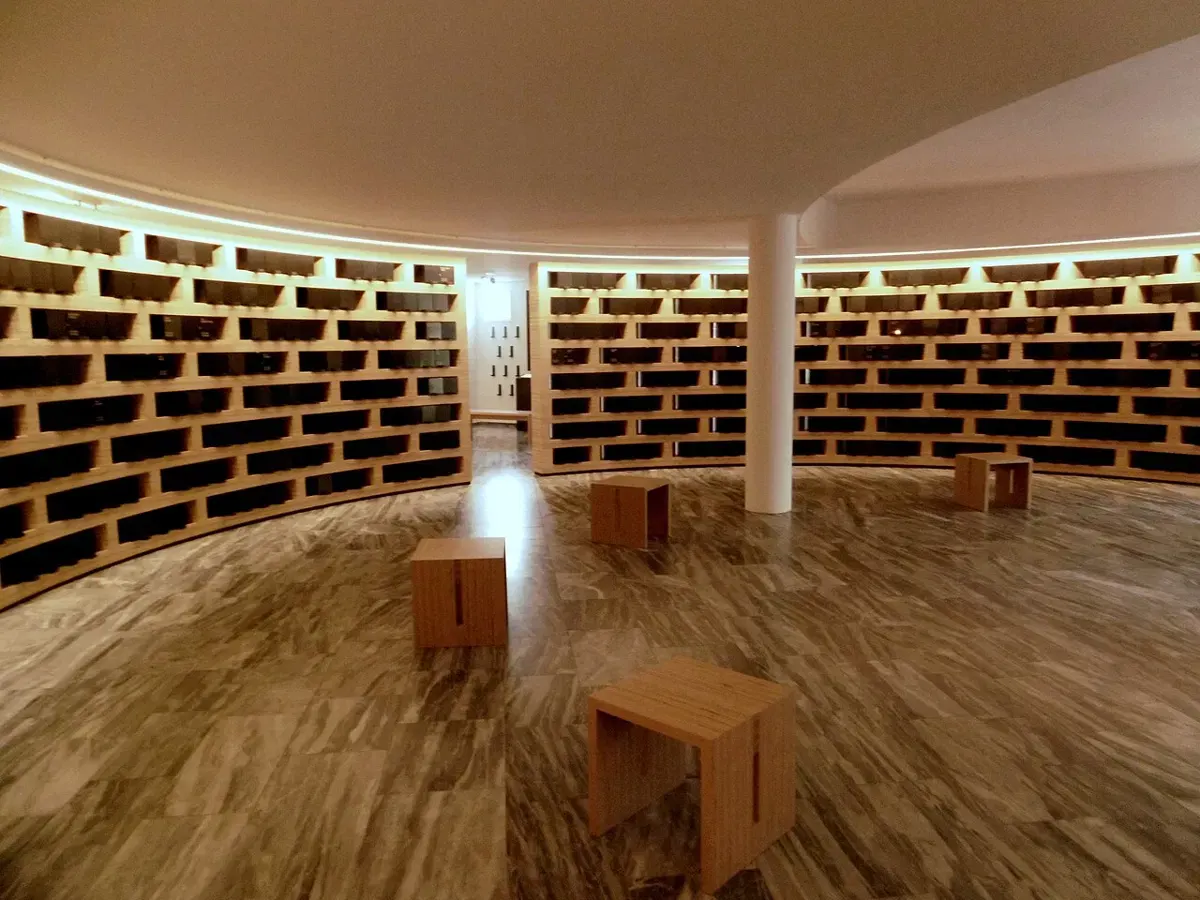
Illustrative stock photograph: Columbarium St. Gregorius, Aachen-Burtscheid (2).JPG by ArthurMcGill · CC BY 3.0. Resized and converted to WebP. The photograph does not represent Marwaa’s work or a featured service location.
Commingled ashes share a placement with other people's cremated remains rather than staying individually contained. A shared name panel may still remember each person, but it does not create a separate recoverable burial. Before choosing the memorial, ask the cemetery exactly what happens to the remains, how it records the placement, and whether later removal is possible.
Does a shared memorial mean the ashes are mixed?
No. The same wall can serve separate urn burials, a communal scattering area or a memorial-only programme. Its appearance tells you little about the arrangement beneath or beside it. Start with the cemetery's description of the service rather than a photograph of the plaque.
A family can also share a grave while each person's remains stay in a separate container. Conversely, a single container can hold intentionally combined remains. Those are different decisions, even if both appear under the heading of a shared memorial.
The Maple Ridge cemetery information describes specific places where commingled remains may be accepted. That local example shows why the exact product and section matter. It is not permission to do the same at another cemetery.
What should be settled before commingling?
Ask the operator to explain whether the proposed placement is individual or communal, contained or uncontained, and identifiable or recoverable. Those words can overlap in sales descriptions, so ask for a plain explanation of what staff will actually do.
| Arrangement | What a memorial may identify | Question that matters |
|---|---|---|
| Separate urns in one grave | People sharing the plot | Can an individual urn later be removed? |
| Communal scattering area | Names associated with the whole area | Is any individual recovery possible? |
| Intentionally combined remains | The people included in the combination | Has the responsible decision-maker approved that choice? |
| Memorial-only name panel | Someone remembered at the site | Are any remains placed here at all? |
Do not treat a future family change as a problem that a replacement plaque can solve. A panel can change while the physical placement cannot be reversed. If individual recovery matters, investigate that before authorising placement, not after choosing lettering.
Faith requirements also deserve a separate conversation. Catholic Cemeteries of Chicago explains its own restrictions on dividing remains. An option available at a municipal cemetery may not fit a particular religious setting or the person's expressed wishes.
Can everyone still have a name?
Individual remembrance and individual containment are separate features. Ask whether names appear on a shared monument, a plaque, a book or only in the cemetery register. Establish how visitors connect that name to the place they can visit.
If the panel has limited space, request the accepted name format before commissioning a separate plaque. The operator may control panel manufacture and installation. An outside memorial order should not assume a free choice of material, size or fixing.
For more on the visible part of the decision, the guide to a shared memorial wall compares shared and individual forms. It does not replace the placement agreement.
How do you explain the place to future visitors?
Use an accurate description such as a shared remembrance area if that is what the cemetery confirms. Avoid calling a broad scattering area an individual plot. A visitor looking for a specific urn should not discover only on arrival that no separate location exists.
Keep the cemetery's name, section and reference with the memorial information. Preserve the wording the operator uses for the placement. A private family note can explain why the choice was made without publishing sensitive disagreements or details about other people.
The Cremation Association of North America's memorial options distinguishes placement choices and public remembrance. It is useful background, but the cemetery must confirm the arrangement being purchased.
What is the monument dealer's role?
A dealer can help translate an approved memorial format into stone or lettering. The dealer cannot make mixed remains individually recoverable, establish authority to combine them or override cemetery acceptance. Keep those responsibilities with the funeral professional, authorised decision-maker and operator.
Marwaa's products provide context for stone memorial forms supplied through the trade. A factory drawing should begin only after the host confirms whether a separate stone is permitted and what it represents. Choosing the form after the placement decision avoids paying for an object that cannot be used.
Key Takeaways
- Commingling and sharing a name panel are separate choices.
- Ask about individual recovery before authorising any communal placement.
- Cemetery records should describe the actual placement rather than imply an individual grave.
Frequently Asked Questions
Can ashes be separated after commingling?
Do not assume so. Ask the operator about the exact arrangement before placement; a name on a panel does not mean an individual set remains recoverable.
Can a shared wall name someone without ashes there?
Some programmes offer memorial-only entries. Confirm that specific option and describe it accurately to visitors.
Does every cemetery accept commingled remains?
No. Acceptance depends on the operator, section, applicable requirements and sometimes religious practice.
For the next part of this decision, read Scattering Garden Memorial Options.
Read More
A Note on This Guide
This guide separates memorial form from placement. Acceptance, authority and recoverability require confirmation for the exact cemetery programme; examples from particular operators are not general rules.
Published by Marwaa Team for Marwaa Memorials (marwaamemorials.com) · Published 2026-11-25 · Updated 2026-11-25 Marwaa Memorials is a factory-direct exporter of bulk granite monuments and headstones, shipping to monument dealers, funeral homes, and importers across North America.
Related guides
Shared Memorial Wall or Individual Headstone?

Headstones for Ashes Buried at Home
Divided Ashes and More Than One Memorial Location
Can Ashes Be Buried in an Existing Family Grave?

Burial vs Cremation: Memorial Options Compared