An Anonymous Memorial Without a Public Name
Consider an anonymous memorial without confusing public name choices with cemetery identification, official burial records or online privacy.
By Marwaa Team · Editorial standards · Published
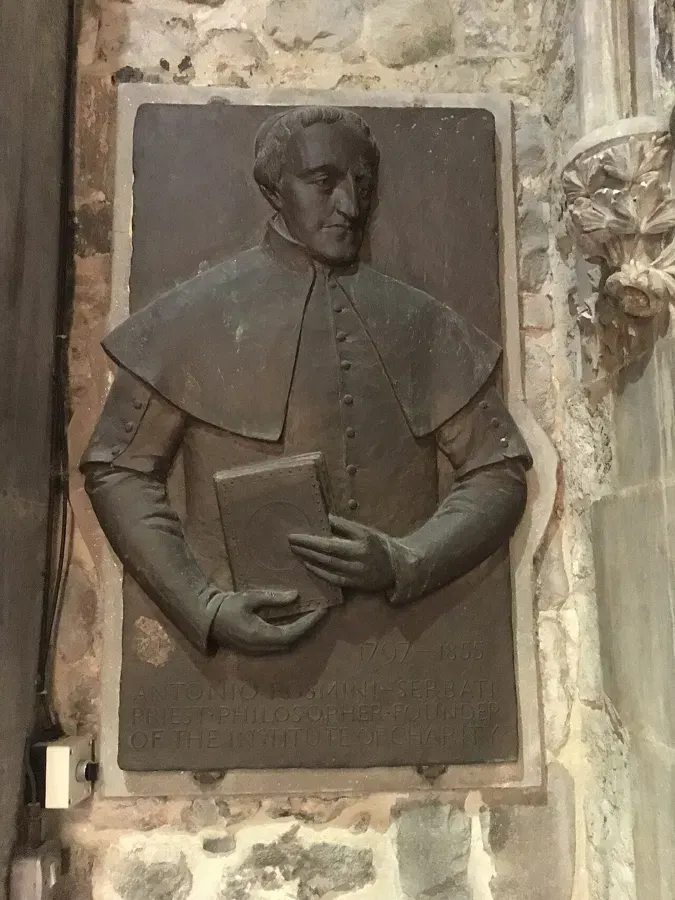
Illustrative stock photograph: Antonio Rosmini-Serbati memorial plaque at St Etheldreda's Church, Holborn.jpg by No Swan So Fine · CC BY-SA 4.0. Resized and converted to WebP. The photograph does not represent Marwaa’s work or a featured service location.
An anonymous memorial can omit a public name without making the burial or its records anonymous. Ask the cemetery what identification it requires, what information it publishes and whether it accepts the proposed inscription. A blank or symbolic stone should not be chosen on the promise that nobody can connect the site with the person.
What does anonymous mean in this decision?
It can mean no name on the visible stone, a private remembrance place, or a wish not to publish details online. Those are different requests. A family should identify the particular concern before asking a dealer to design an unnamed memorial.
A burial still needs the identification and records required by its operator and jurisdiction. Omitting a name from the stone does not erase those obligations. Conversely, a named public memorial does not mean every private detail about the person must be displayed.
The article on family memorial names and burial records explains why a monument and a register serve different purposes. That distinction is central to a privacy-led choice.
Can a cemetery accept a stone without a name?
Ask the exact operator and section. Some memorial formats may have required text or identification conventions. Do not treat an example seen elsewhere as proof that an unnamed stone is accepted at the proposed grave.
Give the cemetery a plain description of the request: which information would be omitted from public display and what would remain. A symbol, initial or short phrase may still identify the person to people who know the context. It should not be described as guaranteed anonymity.
| Privacy concern | Separate question to ask |
|---|---|
| No name on stone | What visible identification does the cemetery require? |
| No public web listing | What does the operator publish and how are enquiries handled? |
| Restricted visits | Is the site public, private or appointment-based? |
| Family contact details | Who holds them and who can access them? |
| Later change of mind | Can accepted lettering be added under the site's process? |
Does an unnamed stone prevent online identification?
No reliable promise can be made. Burial records, obituaries, family posts and photographs may connect a person with a place. The stone's visible wording is only one source of information, and the dealer cannot control every other source.
Find a Grave's description of its memorials explains that its pages can draw on cemetery records, inscriptions, obituaries and other information. Its platform processes should be used for questions about a particular listing; changing the stone does not automatically change an online entry.
The platform's creation guidance also distinguishes verified disposition information and living-person privacy. That is its own policy, not a guarantee that all online services follow the same approach.
How much personal information belongs on stone?
Include only what the family has chosen and the host accepts. Cause of death, relationship details and private addresses are not automatically necessary to identify or remember a person. A public object should not disclose information merely because space remains in the layout.
The guide to cause-of-death wording deals with one sensitive disclosure choice. The same practical question helps here: what purpose would this information serve for the people who will read it?
If relatives disagree about privacy, settle the decision through the appropriate family and operator process before manufacture. The dealer should not choose which account of the person's life becomes permanent. Use one approved text for the production drawing.
What should future visitors understand?
If the family wants a visitable place, explain privately how authorised visitors can find it. Avoid publishing a private property address while simultaneously asking for anonymity. The access plan and the public-information plan need to fit together.
Think about the next generation as well. An unnamed stone may be hard to identify after the people who chose it are no longer available. A private family record can preserve the connection without putting every detail on public display.
What can the dealer and manufacturer promise?
They can make the agreed object and handle the information within their actual service arrangements. They should not promise that an inscription choice will make official records confidential or remove existing material from the internet.
Marwaa's catalogue can help trade partners discuss an accepted stone form. The local cemetery must answer identification and publication questions. A privacy-conscious brief should state the intended public text clearly while leaving legal and records questions with the organisations responsible for them.
Key Takeaways
- No public name on a stone does not erase official burial identification.
- Ask separately about the inscription, operator publication and online listings.
- Do not promise anonymity from a symbol, initial or blank stone.
Frequently Asked Questions
Can a headstone have no name?
Ask the cemetery about its accepted inscription requirements. There is no universal answer for every section or memorial format.
Will an unnamed stone stop an online memorial being created?
No guarantee can be made. Online entries may use other sources, and each platform has its own policies.
Should a private family record still identify the memorial?
That can help future relatives understand the place. Keep it separate from public wording and respect the privacy of living contacts.
For the next part of this decision, read Family Memorial Names and Burial Records Compared.
Read More
- Family Memorial Names and Burial Records Compared
- Should You Include Cause of Death on a Headstone? Advice
A Note on This Guide
This guide separates public design choices from records and privacy questions. It does not promise confidentiality or determine disclosure rights. Ask the cemetery and any relevant online platform about their actual policies.
Published by Marwaa Team for Marwaa Memorials (marwaamemorials.com) · Published 2026-11-25 · Updated 2026-11-25 Marwaa Memorials is a factory-direct exporter of bulk granite monuments and headstones, shipping to monument dealers, funeral homes, and importers across North America.
Related guides

Family Memorial Names and Burial Records Compared

Unclaimed Remains and Public Memorial Programmes

Research a Cemetery That Changed Its Name

Request a Grave Photo That Answers Your Question
A Family Headstone Decision Record: Agree Choices Without Losing Changes