
Buddhist Memorial Stones and Headstones: Traditions and Symbols
An overview of Buddhist memorial customs — cremation, family graves and memorial stones — with common symbols like the lotus and Dharma wheel, and wording ideas.
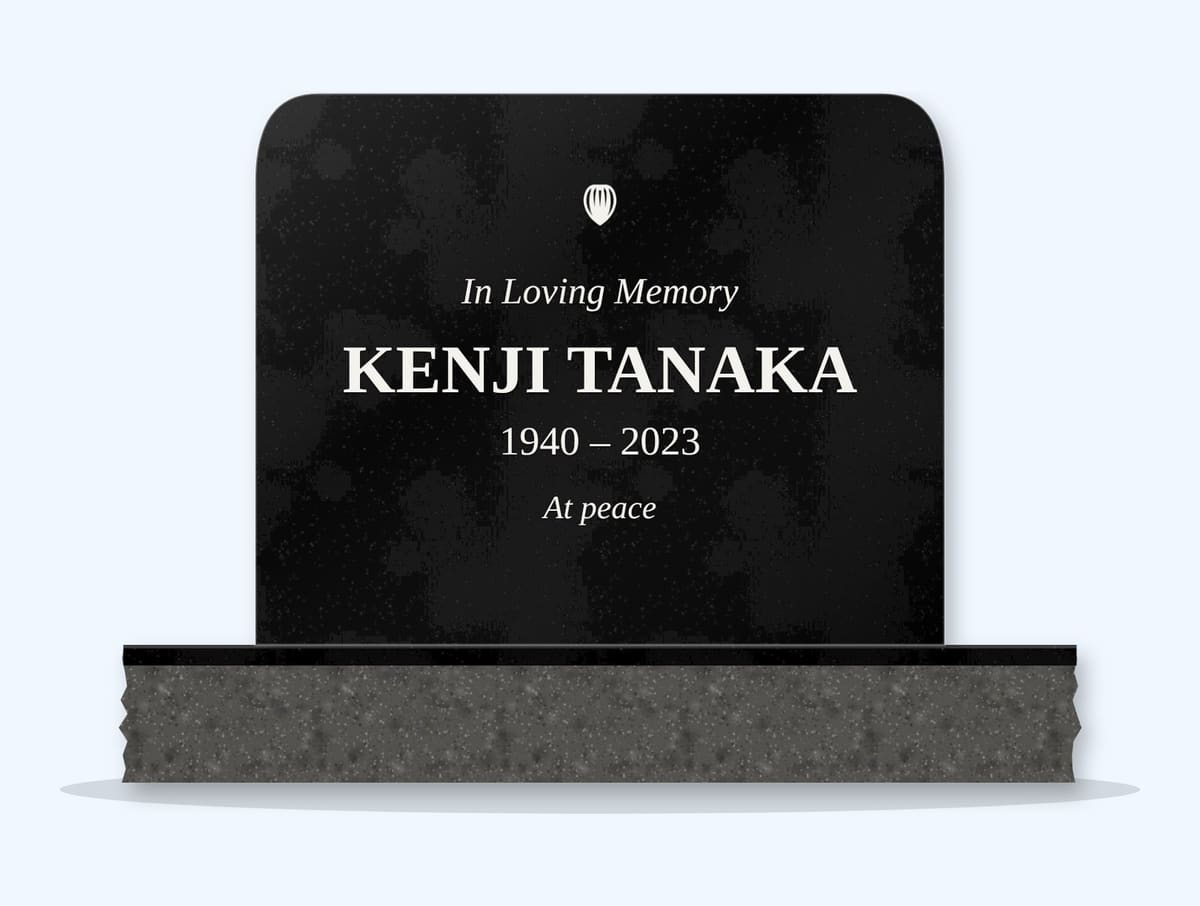
Buddhist traditions vary widely between countries and schools, so customs differ from family to family. Your temple is the best guide.
Common customs
- Cremation is common in many Buddhist traditions.
- Remains may be placed in a family grave, a columbarium niche or a temple memorial.
- Some traditions, such as Japanese family graves, use a shared family stone.
Symbols
| Symbol | Meaning |
|---|---|
| Lotus | Purity and enlightenment |
| Dharma wheel | The Buddha's teaching |
| Image of the Buddha | Faith and refuge |
| Bodhi leaf | Awakening |
Wording
Names, dates and a short line — in English, the family's language or both. Some families include a Dharma name given at ordination or after death. See multilingual inscriptions.
Placement options
- Family plot memorial — see family monuments
- Niche plaque — see columbarium plaques
Key Takeaways
- Customs vary by tradition — ask your temple.
- The lotus and Dharma wheel are common symbols.
- Family graves and niches are popular.
Next Step
Add a lotus symbol in the Design Studio.
Frequently Asked Questions
Do Buddhists have headstones?
Many do, especially family graves or memorial stones, though customs vary by tradition.
What symbols go on a Buddhist memorial?
The lotus, Dharma wheel, Bodhi leaf or an image of the Buddha.
What is a Dharma name on a headstone?
A Buddhist name given at ordination or after death, included by some families.
Ready to get pricing for your granite monument?
Request pricing, factory specifications, and DAP delivery timelines from our team.
Related guides
Why Do People Leave Stones on Graves?
Hindu Memorial Plaques and Stones
Catholic Headstones
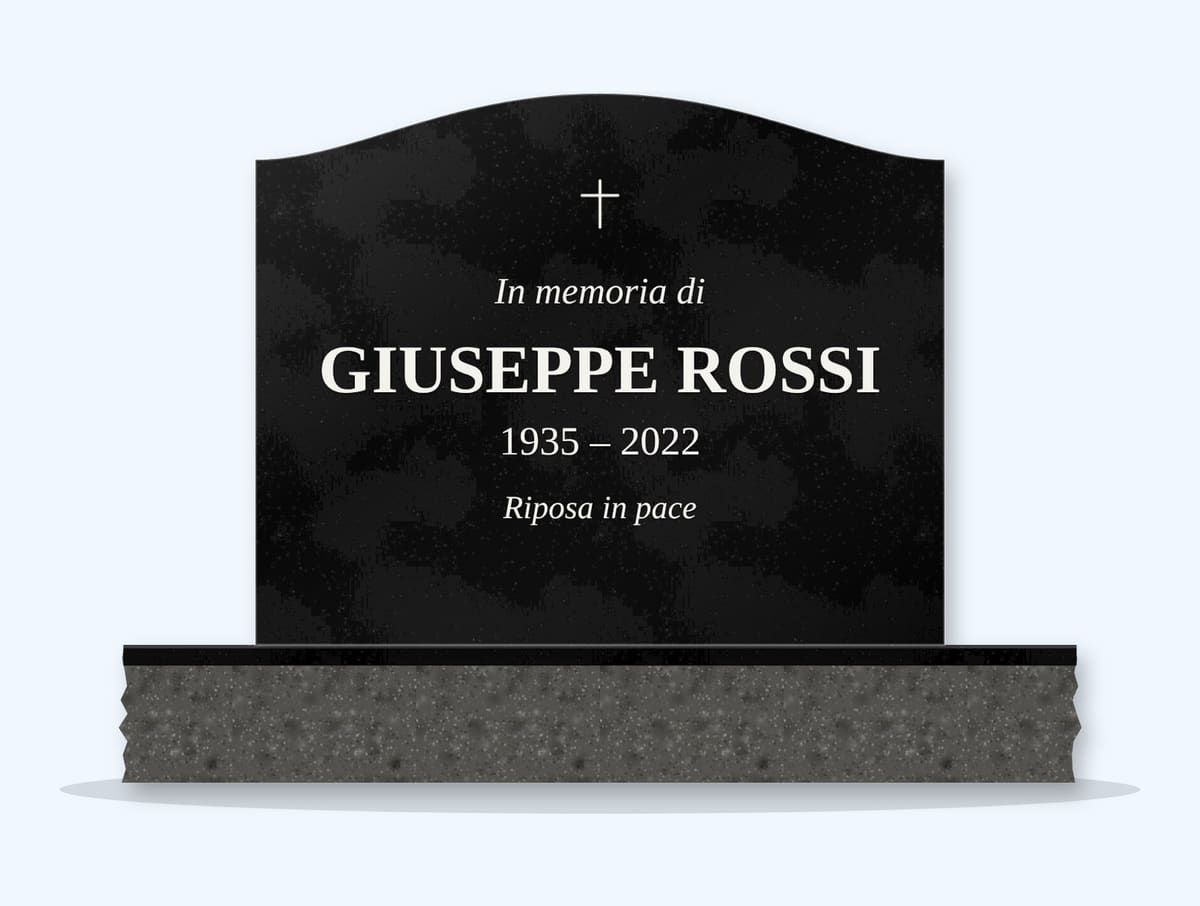
Italian Headstone Traditions
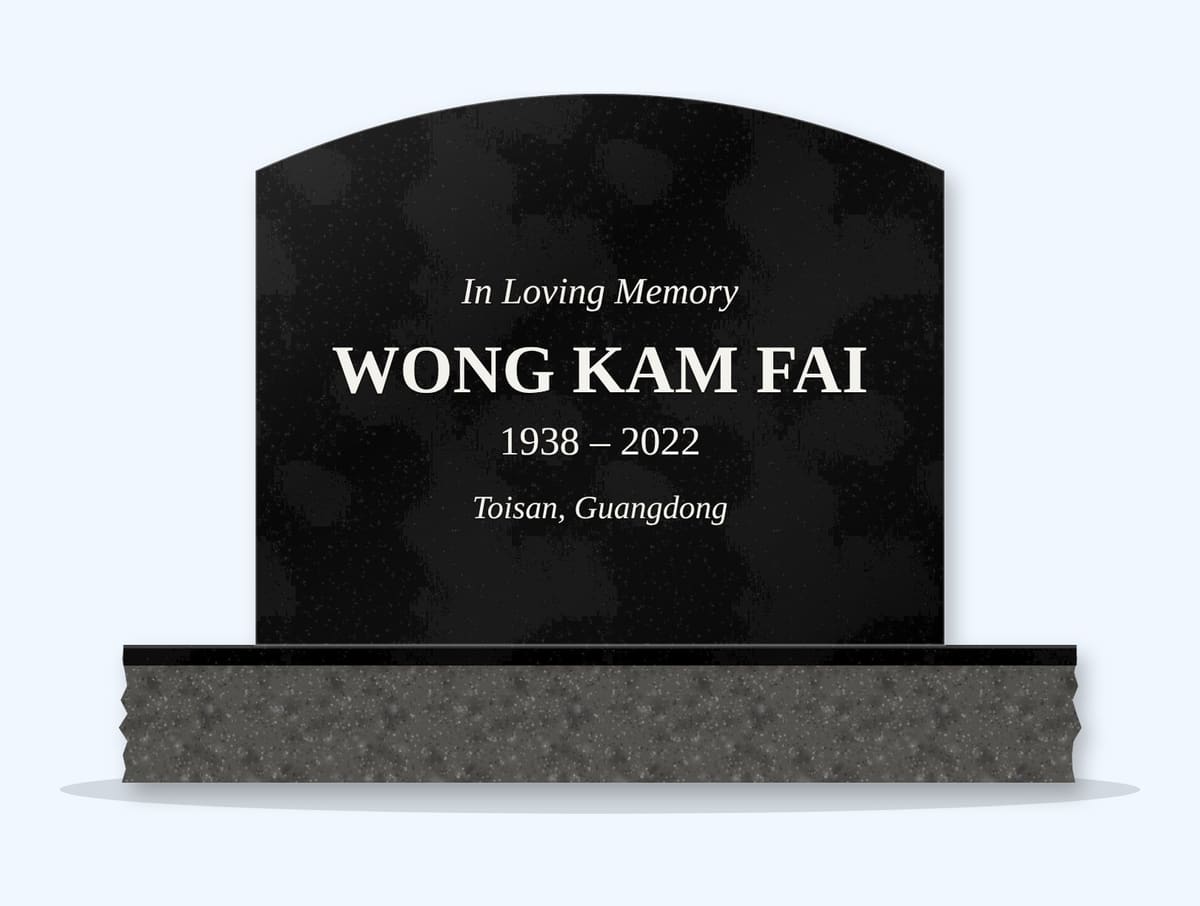
Chinese Headstone Traditions