
Customs Release and Carrier Release for Monuments
Separate monument customs release from carrier release, physical cargo availability and the appointment needed for the final receiving handoff.
By Marwaa Team · Editorial standards · Published · Updated
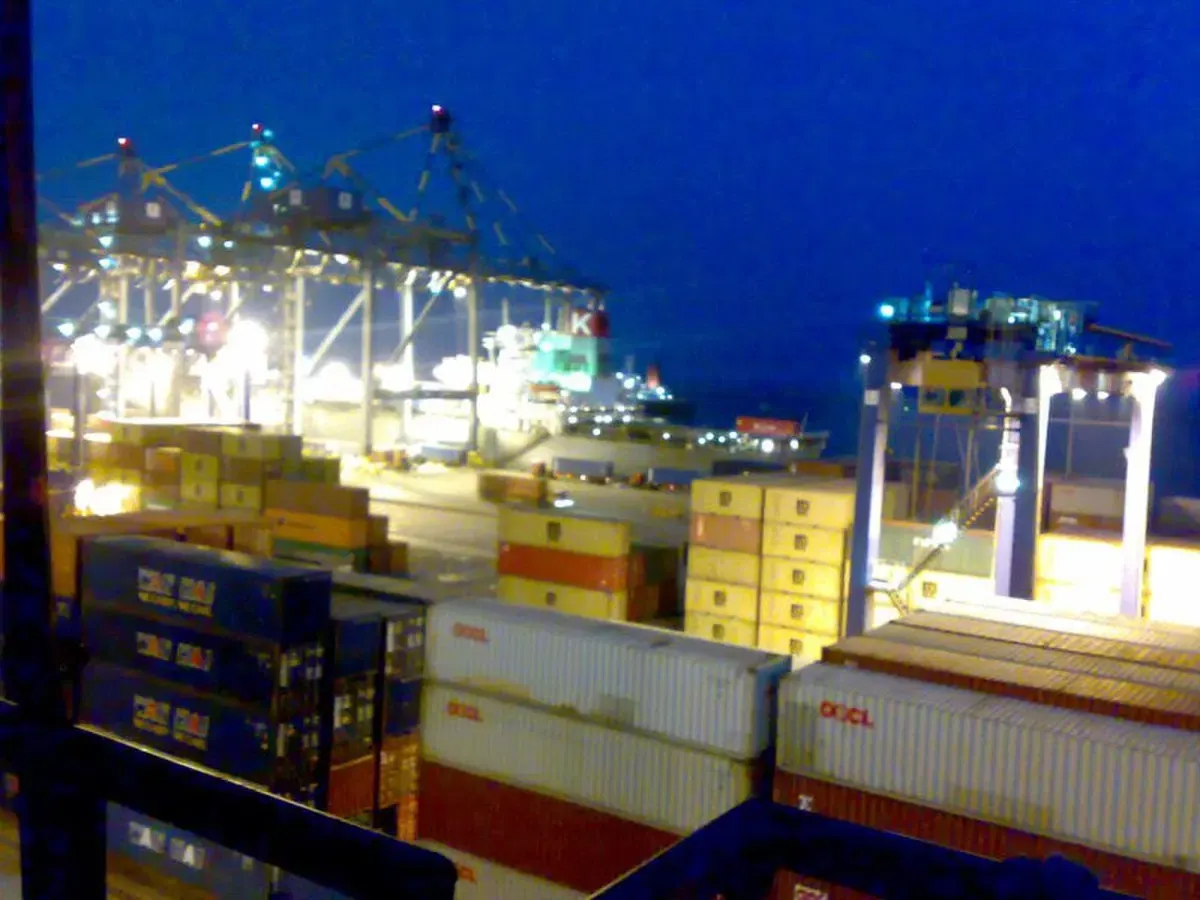
Illustrative stock photograph: Chennai Container Terminal - panoramio (2).jpg by raguleo · CC BY 3.0. Resized and converted to WebP. The photograph does not represent Marwaa’s work or a featured service location.
Customs release and carrier release are separate statuses in a monument shipment. The relevant government status does not automatically prove that carrier documents, charges or collection arrangements are complete. Ask the responsible coordinator what each status means for the actual load, then confirm physical availability and the receiving appointment before treating the shipment as ready to collect.
What does the word release refer to?
Ask who issued the status and what condition it addresses. A customs professional, carrier, terminal and warehouse may each describe different steps as release. The office should not combine those meanings into one green box without explaining what remains.
Keep the source and timestamp for each update. A carrier-system status can change after a new instruction or hold. A saved screen from yesterday is not necessarily the current authority to collect cargo.
Interpret the source and clock behind a status using Monument Tracking: Read Events, Estimates and Time Zones.
Why can a customs-cleared load still need action?
The carrier may still need its relevant documents or commercial requirements satisfied, while a terminal or receiving facility may need another arrangement. The actual process depends on the shipment. Ask the responsible parties instead of treating a general customs acknowledgment as permission for a driver to arrive.
Maersk's container-release explanation identifies several conditions within its process. Its release-status guidance also distinguishes freight and customs data. These pages illustrate the distinction, not every carrier's procedure.
A maritime casualty can introduce the additional security question discussed in General Average and Monument Cargo: What It Means.
Which statuses should be kept separate?
| Status | Useful confirmation | Remaining question |
|---|---|---|
| Customs-related release | Current professional or official status | Are carrier conditions complete? |
| Carrier release | Current authorized carrier instruction | Is the cargo physically available? |
| Availability | Relevant facility confirms collection readiness | Is transport arranged? |
| Transport booking | Accepted collection and route | Is the receiver ready? |
| Receiving appointment | Accepted final slot | Has actual delivery occurred? |
A shipment may progress through these steps differently. The table is not a universal sequence, but it prevents one status from being used as evidence for all the others.
How should the dealer ask for an update?
Ask a focused question tied to the next decision: “Which condition currently prevents collection, and who can resolve it?” This is more useful than repeatedly asking whether everything has cleared. Name the party that owns the open action and the evidence needed to close it.
If the dealer owes a factual document answer, supply it through the agreed channel. If the question belongs to the carrier or customs professional, avoid substituting a salesperson's interpretation. Preserve the source response for the next coordinator.
What does a planning example show?
Imagine a current customs-release update arrives while the carrier still awaits its accepted document process. The office should not immediately tell the receiver to expect the truck. First, the transport coordinator must establish the actual next available movement and booking.
The reverse can also create confusion: a planned vehicle slot does not prove customs requirements are complete. A booking is evidence of an arrangement, not an override of another party's conditions. Keep each confirmation attached to its own purpose.
How should a changed status be handled?
Record the new information and identify any appointments or customer statements that relied on the earlier status. Ask the booking owner whether it needs to amend transport or receiving plans. Do not quietly change a shared spreadsheet while other participants still use the old message.
Use the ocean-update guide for the wider communication habit. The same principle applies even when the vessel movement itself has not changed: distinguish current evidence from the plan built around it.
Which guidance helps frame responsibilities?
CBP's importer information provides US responsibility context. It does not make another carrier's release process part of US customs law. Ask the actual appointed professionals for a Canadian or other transaction's current requirements.
Marwaa's FAQ introduces supplier coordination. The actual commercial and transport records should identify who obtains each confirmation. A dealer can then give a short accurate customer update without calling the goods ready before the responsible parties agree.
Cargo release should not be confused with the broader transaction review explained in Monument Shipment Sanctions Screening: Scope and Roles.
How does the distinction help a customer update?
A short update can say that one release condition is confirmed while collection remains unconfirmed. That is clearer than telling the family that customs has cleared everything when the office really means one system changed status. Name the next action and its owner without promising the result of a process controlled by another party.
Key Takeaways
- Customs release, carrier release and physical availability are different statuses.
- Keep the source and time of each confirmation.
- A collection or receiving booking does not override an unresolved release requirement.
Frequently Asked Questions
Does customs release mean the truck can collect immediately?
Not automatically. Confirm carrier release, physical availability and the actual collection arrangement.
Is a transport booking proof that all release tasks are complete?
No. Keep the status evidence for each requirement separate.
Who should explain a release message?
The party issuing or responsible for that status should explain its meaning and remaining actions.
For a bulk monument programme, request a trade quotation with the product requirements and the route questions raised in this guide.
Read More
- US Monument Imports: Prepare the Customs Broker Handoff
- Monument Warehouse Deliveries: Book a Useful Appointment
- Ocean Booking Rolled Over: Update the Monument Order
A Note on This Guide
This is a status distinction, not authority to collect cargo. Follow current government, carrier, terminal and receiving instructions for the actual shipment.
Published by Marwaa Team for Marwaa Memorials (marwaamemorials.com) · Published 2026-11-23 · Updated 2026-11-23 Marwaa Memorials is a factory-direct exporter of bulk granite monuments and headstones, shipping to monument dealers, funeral homes, and importers across North America.
Related guides

Monument Shipment Holds: Record Who Can Release Cargo

Monument Stock Reservations: Track Holds and Release

US Customs Examination: Plan Around the Unknowns
Monument Freight: Forwarder, NVOCC or Ocean Carrier?

Monument Order Acknowledgements: Reconcile Before Release
