
Visiting Graves on Eid: A Muslim Tradition
Visiting graves on Eid — why many Muslim families go after Eid prayers, what they recite, grave etiquette and differing scholarly views.
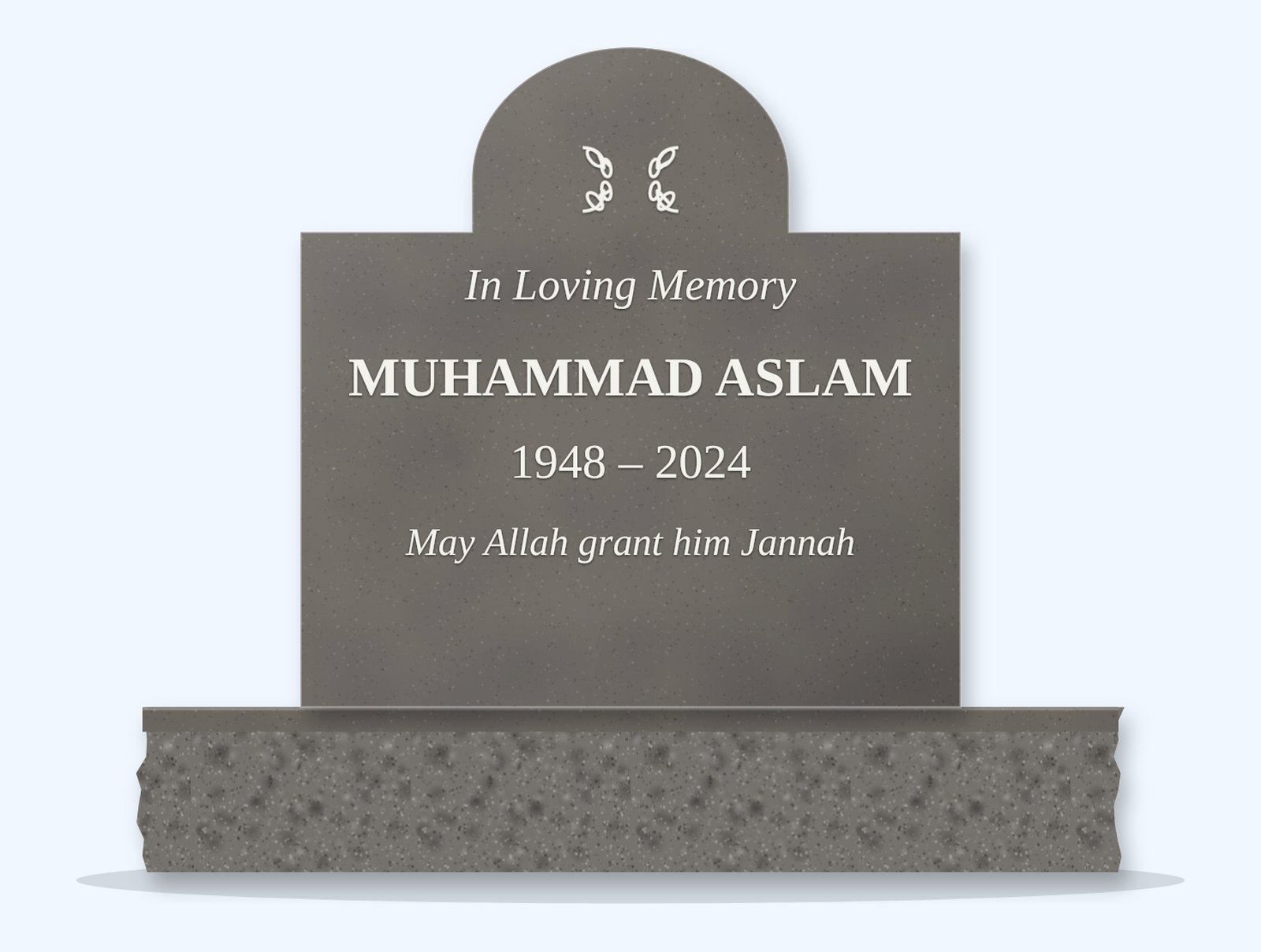
In many Muslim communities — especially in Pakistan, India, Bangladesh and across the diaspora — families visit the graves of loved ones on the morning of Eid al-Fitr or Eid al-Adha, after the Eid prayer. It's a moment to remember and pray for those who aren't there to celebrate.
Why families visit
Visiting graves (ziyarat al-qubur) is encouraged in Islam as a reminder of the hereafter and a chance to pray for the deceased. On Eid, a day of family and gratitude, many feel the absence of loved ones most — so a visit after prayers is a natural way to include them.
What families do
- Greet the deceased with the traditional words of peace for the people of the graves.
- Recite Surah Al-Fatiha, Surah Yasin or other passages, and make dua for forgiveness and mercy.
- Clean the grave and, in some traditions, sprinkle water.
- Give charity (sadaqah) on behalf of the deceased.
Differing views
Scholars differ on whether Eid should be singled out for grave visits: some see it as a good custom, while others caution against treating it as an obligation or a ritual tied to the day. Many families simply visit when they can, including on Eid. Follow the guidance of your own scholars and community.
Etiquette
- Walk respectfully and avoid stepping on graves.
- Keep voices low; it's a place of reflection.
- Customs about flowers and decorations vary — many Muslim cemeteries prefer simplicity.
- Check visiting hours, as cemeteries can be busy on Eid morning.
Headstones in Islamic tradition
Islamic graves are traditionally simple, often with a modest marker bearing the name, dates and a verse or dua. See Muslim headstones guide. For Arabic or Urdu wording, have a knowledgeable person check the text and placement.
Key Takeaways
- Many Muslim families visit graves after Eid prayers.
- Families recite Al-Fatiha and make dua.
- Scholars differ on singling out Eid for visits.
- Islamic markers are traditionally simple.
Next Step
Frequently Asked Questions
Do Muslims visit graves on Eid?
Many do, especially in South Asia, after the Eid prayer.
What is recited at a Muslim grave?
Often Surah Al-Fatiha and duas for forgiveness and mercy.
Is visiting graves on Eid required?
No; scholars differ, and many visit whenever they can.
Are flowers placed on Muslim graves?
Customs vary; many Muslim cemeteries prefer simplicity.
Ready to get pricing for your granite monument?
Request pricing, factory specifications, and DAP delivery timelines from our team.
Related guides

What to Bring When Visiting a Grave

Visiting a Grave in Another Country

What to Say When Visiting a Grave

The First Christmas After a Loss

Easter Grave Decorations and Traditions